


Blog
The Essential Guide to Unmatched Spanish-Speaking Workforce 2025


The U.S. labor market is on the brink of transformation as the Spanish-speaking workforce surges to new heights by 2025. Companies ignoring this shift risk falling behind the competition.
Businesses must recognize the unmatched spanish-speaking workforce as a powerful driver of growth and innovation. Their unique skills, cultural intelligence, and bilingual fluency offer a decisive edge.
Harnessing these strengths unlocks productivity, bridges critical talent gaps, and positions organizations to outperform industry rivals. Adaptation is no longer optional, it is a requirement for success.
Ready to build, manage, and optimize your workforce for the future? This guide delivers expert strategies and actionable steps.
Discover how to leverage the unmatched spanish-speaking workforce and secure your place at the forefront of tomorrow’s labor landscape.
The Rising Power of the Spanish-Speaking Workforce in 2025
The unmatched spanish-speaking workforce is redefining the American labor market. With the Hispanic population projected to reach nearly 20 percent of the U S population by 2025, businesses are witnessing a demographic transformation that can no longer be ignored. This growth isn’t just about numbers, it’s about the quality and breadth of talent reshaping industries from coast to coast.
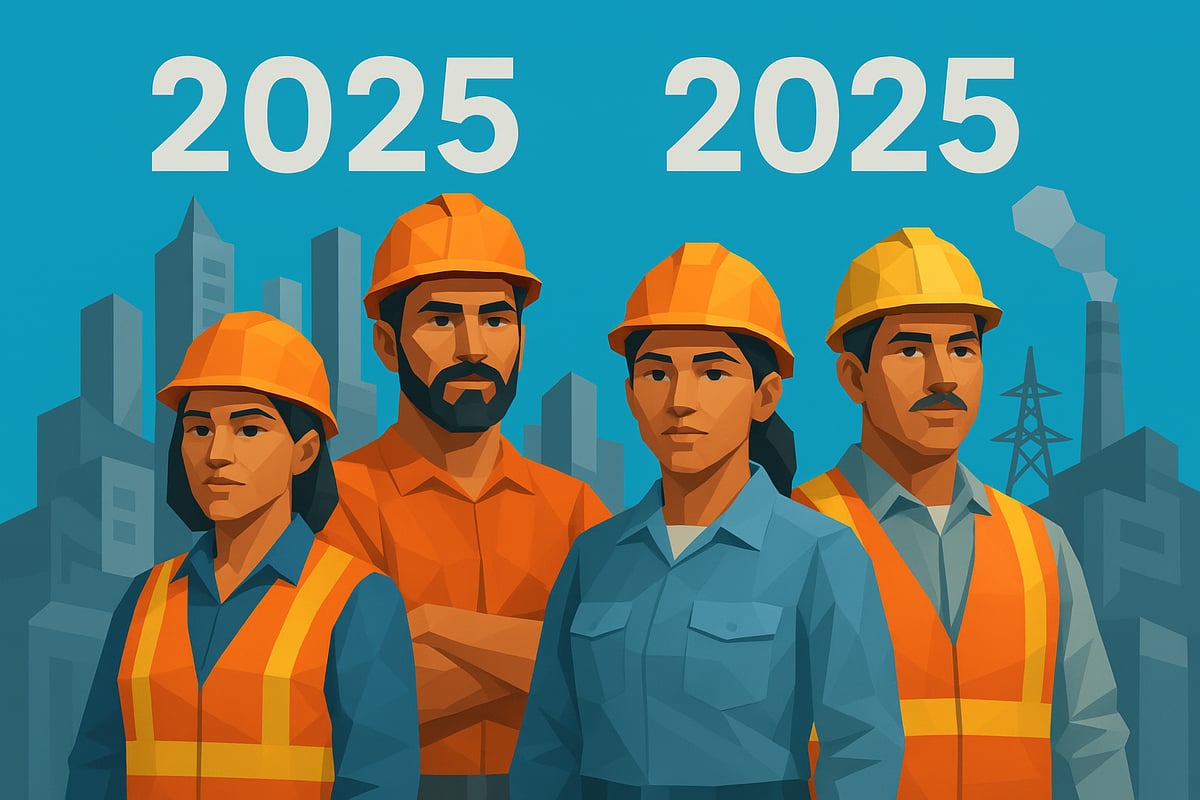
Demographic Shifts and Labor Market Projections
According to U S Census Bureau projections, the Hispanic population will approach 20 percent by 2025. This surge is fueling the rise of the unmatched spanish-speaking workforce, especially in sectors like construction, industrial trades, and logistics.
Regional hotspots are emerging across the Gulf South, the Southwest, and major urban centers such as Houston, Dallas, and Los Angeles. These areas are magnets for Spanish-speaking talent, drawn by economic opportunities and strong community networks.
Key industries driving the demand for bilingual and Spanish-speaking workers include:
- Construction and skilled trades
- Industrial and manufacturing operations
- Logistics and supply chain management
- Maritime and port services
Employers in these sectors are realizing that the unmatched spanish-speaking workforce brings agility, flexibility, and an ability to bridge cultural divides on the job site.
Economic Impact and Productivity Gains
The unmatched spanish-speaking workforce is a powerhouse for the U S economy. In 2023, Spanish-speaking workers contributed over $2.7 trillion to GDP, a figure that continues to climb as their participation deepens across critical industries.
Multiple case studies show that companies with bilingual teams see higher retention rates and increased productivity. For example, firms with robust Spanish-speaking crews report stronger team cohesion, fewer misunderstandings, and faster project completion times.
Cultural competence plays a crucial role. Teams that respect and integrate the cultural strengths of Spanish-speaking employees experience better customer satisfaction and innovation. According to Hispanic workforce’s economic impact, the unmatched spanish-speaking workforce is vital to national economic growth and business resilience.
Challenges and Opportunities for Employers
Despite the clear advantages, employers face real challenges tapping into the unmatched spanish-speaking workforce. Language barriers can hinder onboarding and daily communication, but companies that invest in bilingual resources flip this challenge into a competitive edge.
Cultural sensitivity in leadership and HR is non negotiable. Managers must understand and respect cultural norms to unlock the full potential of Spanish-speaking teams. Businesses that ignore these realities miss out, struggling with higher turnover, lower morale, and lost market share.
On the flip side, those who embrace the unmatched spanish-speaking workforce gain a strategic advantage. They fill critical talent gaps, foster inclusive work environments, and capitalize on a labor force that is as reliable as it is ambitious.
Key Skills and Attributes of an Unmatched Spanish-Speaking Workforce
The unmatched spanish-speaking workforce will define industry success in 2025. Their unique blend of technical skills, certifications, and cultural intelligence gives businesses a decisive edge. If you want to outperform, you need to know exactly what sets this workforce apart.

Core Technical and Soft Skills
The unmatched spanish-speaking workforce brings a toolkit that is hard to rival. In construction, industrial, and logistics sectors, you’ll see proficiency in welding, pipefitting, logistics coordination, and general labor roles.
What truly sets this workforce apart is their communication strength. Bilingual fluency is more than just speaking two languages, it means decoding instructions, negotiating across cultures, and bridging gaps on the shop floor.
Their adaptability shines in fast-paced and diverse environments. Whether it’s troubleshooting equipment or collaborating with teams from different backgrounds, the unmatched spanish-speaking workforce is known for its problem-solving mindset.
Key Soft Skills Table
| Skill | Why It Matters |
|---|---|
| Bilingual Fluency | Eases communication, reduces errors |
| Teamwork | Boosts productivity, morale |
| Cross-Cultural Negotiation | Strengthens client and vendor relations |
| Adaptability | Handles change, drives results |
Employers who invest in these skills tap into a deeper well of productivity and innovation.
Certification and Safety Standards
The unmatched spanish-speaking workforce often holds industry-leading safety credentials. OSHA 10 and OSHA 30 certifications are common, with many workers also trained in site-specific safety protocols.
Ongoing training is a non-negotiable. Safety standards evolve, and top performers never rest on yesterday’s knowledge. Regular upskilling ensures compliance and keeps accident rates low.
Leading employers report strong safety records when they prioritize training for their unmatched spanish-speaking workforce. Their teams see fewer incidents and less downtime, driven by clear communication and shared safety values.
For those looking to advance, many career opportunities for bilingual professionals require these certifications as a baseline. Workers who stay current with their credentials are first in line for leadership and specialized roles.
Safety and skill go hand in hand, making these employees invaluable assets.
Cultural Intelligence and Team Dynamics
Cultural intelligence is a secret weapon in today’s workplace. The unmatched spanish-speaking workforce brings perspectives that fuel creativity and innovation. Teams with diverse backgrounds consistently outperform monolingual groups, generating new ideas and solutions.
Community ties matter. Spanish-speaking professionals often have deep connections within their local networks. This trust translates to stronger teamwork and higher retention rates.
Real-world examples abound of multicultural teams excelling in high-stakes environments. Their ability to understand different viewpoints and communicate across cultures drives both morale and results.
In short, the unmatched spanish-speaking workforce is more than a labor pool. They are the engine for growth, creativity, and reliability. Invest in their skills, and you invest in your company’s future.
Steps to Attract, Hire, and Retain Top Spanish-Speaking Talent
Securing an unmatched spanish-speaking workforce is no longer a luxury—it’s a necessity for businesses determined to lead in 2025. The competition for top talent is fierce, and the organizations that master these steps will outpace the rest. Let’s break down the actionable strategies that will help you attract, hire, and retain the workforce that sets you apart.

Step 1: Building a Culturally Inclusive Employer Brand
A strong employer brand is your beacon in a crowded labor market. To attract an unmatched spanish-speaking workforce, you need to speak their language—literally and figuratively. Develop Spanish-language recruitment materials and job postings that reflect the values and aspirations of this talent pool.
Showcase your commitment to diversity and inclusion on your website and social platforms. Bilingual websites and social media profiles consistently draw more applicants, signaling that Spanish-speaking candidates are not just welcome but essential. Feature testimonials and success stories from current Spanish-speaking employees to build trust and credibility.
Highlighting cultural celebrations and team achievements can set your brand apart. When candidates see themselves represented, they are more likely to apply. The unmatched spanish-speaking workforce gravitates toward employers who respect their heritage, value their skills, and invest in their growth.
Step 2: Effective Sourcing Strategies
Finding top Spanish-speaking talent requires precision and persistence. Partner with Hispanic community organizations, trade schools, and local networks to tap into trusted pipelines. Digital platforms, especially Spanish-language job boards, are crucial—65 percent of Hispanic job seekers rely on mobile-first applications.
Broaden your sourcing strategy by collaborating with staffing agencies that specialize in connecting businesses with an unmatched spanish-speaking workforce. These experts streamline the search process, provide access to vetted candidates, and ensure compliance with labor regulations. For a deeper dive into tailored recruitment solutions, see Specialized talent search solutions.
Don’t underestimate the power of word-of-mouth. Leverage employee referral programs and community events to reach passive candidates. Sourcing for the unmatched spanish-speaking workforce is about building relationships, not just filling roles.
Step 3: Streamlined Hiring and Onboarding Processes
The hiring journey should be seamless and welcoming. Offer bilingual application forms and interviews to reduce friction and open doors for more candidates. Clear, concise communication about job expectations, safety protocols, and advancement opportunities is critical.
Onboarding is where first impressions are made. Provide orientation materials in Spanish, and pair new hires with bilingual mentors. This approach accelerates integration and demonstrates respect for language and culture. The unmatched spanish-speaking workforce values transparency, so set clear expectations and deliver on promises from day one.
Industrial employers who have implemented these processes report faster ramp-up times and better retention. Remember, every step in the hiring and onboarding process shapes your reputation and impacts your ability to attract the unmatched spanish-speaking workforce.
Step 4: Retention Through Engagement and Advancement
Retaining top talent requires more than competitive pay—it demands a culture of engagement and opportunity. Offer mentorship, training, and career advancement programs in Spanish to support professional growth. Recognize cultural holidays and respect work-life balance to boost morale.
Companies that provide bilingual support see up to 30 percent lower turnover rates. Investing in retention not only saves on hiring costs but also builds loyalty within your unmatched spanish-speaking workforce. For actionable tactics, explore Employee retention strategies for 2025.
Promote from within and celebrate employee achievements. When Spanish-speaking employees see a clear path to advancement, they are more likely to stay and contribute at higher levels. Retention is the linchpin of a truly unmatched spanish-speaking workforce.
Step 5: Building a Supportive Workplace Culture
A supportive culture is the foundation of lasting success. Foster open communication by establishing employee resource groups and regular feedback sessions. Tackle workplace bias head-on and promote equity at every level.
Leadership must champion diversity initiatives and ensure that all voices are heard. Provide ongoing cultural competence training for managers and supervisors. The unmatched spanish-speaking workforce thrives in environments where trust, respect, and collaboration are the norm.
Strong community ties and a sense of belonging drive performance and innovation. By nurturing a culture that values every team member, you unlock the full potential of your unmatched spanish-speaking workforce.
Optimizing Workforce Performance: Training, Safety, and Leadership
High performance is non-negotiable when you want to build an unmatched spanish-speaking workforce. The secret? Invest in training, safety, and leadership that drive results. Here is how you transform potential into productivity.

Customized Training and Upskilling Programs
A high-performing unmatched spanish-speaking workforce starts with tailored training. Off-the-shelf programs simply do not cut it. You need custom-built modules in Spanish, targeting both technical and safety skills. Why? It maximizes retention, closes skills gaps, and boosts confidence on the job.
Consider the power of:
- Hands-on welding and pipefitting courses in Spanish
- Logistics and equipment training with clear, visual instructions
- Digital learning tools for ongoing upskilling
Companies that invest in these programs see up to 20 percent productivity gains. When you provide opportunities for continuous learning, you unlock hidden potential within your unmatched spanish-speaking workforce. Need proof? Just look at the Southeast job market trends for how businesses in growth regions are prioritizing training to stay ahead.
Safety-First Approaches for Spanish-Speaking Teams
Safety is the foundation of a reliable unmatched spanish-speaking workforce. Multilingual safety manuals, real-time alerts, and bilingual supervision are game-changers. The result? Fewer workplace incidents, stronger compliance, and a culture where every team member feels protected.
Best-in-class safety programs include:
- OSHA-compliant training delivered in Spanish
- Visual signage and easy-to-understand checklists
- Regular safety drills with bilingual support
Data shows a 50 percent drop in violations where bilingual safety programs are active. This is not just about following rules, it is about sending every employee home safe. The unmatched spanish-speaking workforce thrives when leadership prioritizes their well-being, making safety a competitive advantage.
Leadership Development and Career Pathways
You cannot optimize performance without strong leaders from within your unmatched spanish-speaking workforce. Promote bilingual talent into supervisory roles and invest in leadership training tailored to multicultural teams. It is about more than filling positions, it is about building trust and inspiring innovation.
Key strategies include:
- Mentorship programs pairing rising Spanish-speaking talent with experienced leaders
- Career mapping sessions in both English and Spanish
- Leadership workshops focused on cultural intelligence
Case studies prove that diverse leadership boosts morale and sparks new ideas. And the economic benefits of Latino immigration further underline how unlocking leadership potential in this segment propels business growth. If you want to dominate your market, empower your unmatched spanish-speaking workforce at every level.