


Blog
The Essential Guide to Construction Staffing in 2025

The construction industry is facing a pivotal moment. How companies approach construction staffing in 2025 will determine their ability to deliver projects on time, safely, and profitably.
Labor shortages, increased project complexity, and rapid technological change are rewriting the rules of the game. Business owners, project managers, and HR leaders must adapt quickly or risk falling behind.
This essential guide gives you proven strategies to attract, hire, and retain top talent. You will uncover the latest trends, best recruitment practices, technology’s growing impact, diversity initiatives, and how to build a workforce ready for the future.
Read on to master construction staffing in 2025 and gain the competitive edge your projects demand.
The State of Construction Staffing in 2025
The construction staffing landscape in 2025 is more competitive and complex than ever. Companies face a perfect storm of skilled labor shortages, rising demand for specialized roles, and rapid technological change. To stay ahead, leaders must understand the forces shaping hiring and retention in this high-stakes market.

Key Industry Trends and Labor Market Dynamics
In 2025, construction staffing is defined by a persistent skilled labor shortage. A staggering 91% of employers report difficulty finding qualified candidates, especially for critical roles like project managers, superintendents, electricians, and welders.
Demand is surging in healthcare, infrastructure, and residential sectors. Companies are raising wages to stay competitive, fueling a noticeable uptick in compensation trends. Demographic shifts are intensifying the challenge, as the workforce ages and fewer young people enter the trades.
Public infrastructure investments and government funding are driving project volume and job growth. For deeper insights into wage trends and industry shifts, see 4 Construction Economic Trends to Watch in 2025. Data from Hays and Insight Global confirm that specialized construction staffing roles are among the fastest-growing job categories this year.
Challenges Facing Construction Employers
Construction staffing in 2025 is not for the faint of heart. Employers struggle to source and retain skilled workers, both for permanent positions and project-based needs. Labor shortages lead to project delays and cost overruns, putting pressure on margins and timelines.
Compliance and safety requirements have never been more complex. Companies must also balance diversity and inclusion goals while racing against the clock to fill roles. Mid-sized firms, with 50 to 200 employees, are hit hardest, often lacking the internal recruiting muscle to compete for top talent. Quality cannot be sacrificed for speed, yet the need for rapid hiring is unrelenting.
Opportunities Shaping the Future
Despite the obstacles, construction staffing offers real opportunities for forward-thinking firms. Expanded workforce solutions like contract, contract-to-perm, and executive search provide flexibility for projects of all sizes. Recruitment outsourcing and managed service programs offer cost savings, scalability, and access to specialized talent.
Strategic partnerships with staffing agencies open doors to passive candidates and niche skill sets. The focus is shifting to building resilient, future-ready teams who can adapt to evolving project demands. Leveraging local market expertise helps companies hire faster and smarter, setting the stage for long-term growth.
The Impact of Technology and Automation
Technology is revolutionizing construction staffing in 2025. Digital recruitment platforms and AI-driven candidate screening streamline the hiring process, reducing time-to-fill for urgent roles. Data analytics enable accurate workforce planning and project forecasting.
Automation is now standard for onboarding, payroll, and compliance tracking. Online job boards and talent marketplaces expand access to skilled professionals nationwide. Leading agencies use these tools to present qualified candidates within five to ten business days, raising the bar for speed and quality in construction staffing.
Construction Staffing Models: Choosing the Right Approach
Choosing the right construction staffing model is the difference between a project delivered on time and one stuck in limbo. With today’s labor market, understanding these models is non-negotiable. Let’s break down your options so you can make confident, cost-effective decisions.
Permanent, Temporary, and Contract Staffing Explained
Construction staffing is never one size fits all. Permanent staffing secures long-term, loyal employees who grow with your company. Temporary staffing brings in skilled hands for short-term or seasonal needs. Contract staffing is ideal for specialized roles on defined projects, while contract-to-perm lets you “try before you buy.”
Here’s a quick comparison:
| Model | Best For | Pros | Cons |
|---|---|---|---|
| Permanent | Long-term builds | Loyalty, stability | Higher overhead |
| Temporary | Short-term projects | Flexibility, quick ramp-up | Less commitment |
| Contract | Specialized roles | Niche expertise | Limited availability |
| Contract-to-Perm | Uncertain needs | Reduced hiring risk | Longer evaluation time |
Top agencies like Insight Global placed over 50,000 hires in 2024, proving the effectiveness of strategic construction staffing choices.
Recruitment Process Outsourcing (RPO) and Managed Service Programs (MSP)
For large projects or multi-site operations, RPO and MSP take construction staffing to the next level. RPO means you outsource all or part of your recruitment to a specialist—think of it as having an elite recruiting SWAT team on call. MSPs manage your temporary workforce, handling everything from compliance to scheduling.
Why use them? You get cost savings, scalability, and access to larger talent pools. When the stakes are high, and you need to ramp up fast, providers like Hays or Insight Global deliver speed and expertise. RPO and MSP are game-changers for firms with complex or evolving staffing needs.
Specialized and Niche Staffing Solutions
Not all construction staffing needs are created equal. Projects often demand welders, electricians, CDL drivers, or bilingual crews. Accessing these niche skills is where specialized agencies shine.
Consider the need for multicultural and bilingual teams, especially in diverse regions. Reaching underrepresented groups—women, veterans, minorities—expands your talent pool and strengthens your project outcomes. Agencies now offer veteran transition programs and DE&I advisory, ensuring your workforce reflects your community.
For tailored solutions, Construction Talent Search Services connect you with hard-to-find candidates and pre-screened talent, making your hiring process smarter and faster.
CDR General Services: Bridging the Construction Talent Gap in the Gulf South
When it comes to construction staffing in Louisiana, Mississippi, Alabama, and Kentucky, CDR General Services sets the gold standard. As a minority-owned agency, they specialize in Spanish-speaking and bilingual personnel, ensuring seamless communication and cultural fit on any job site.
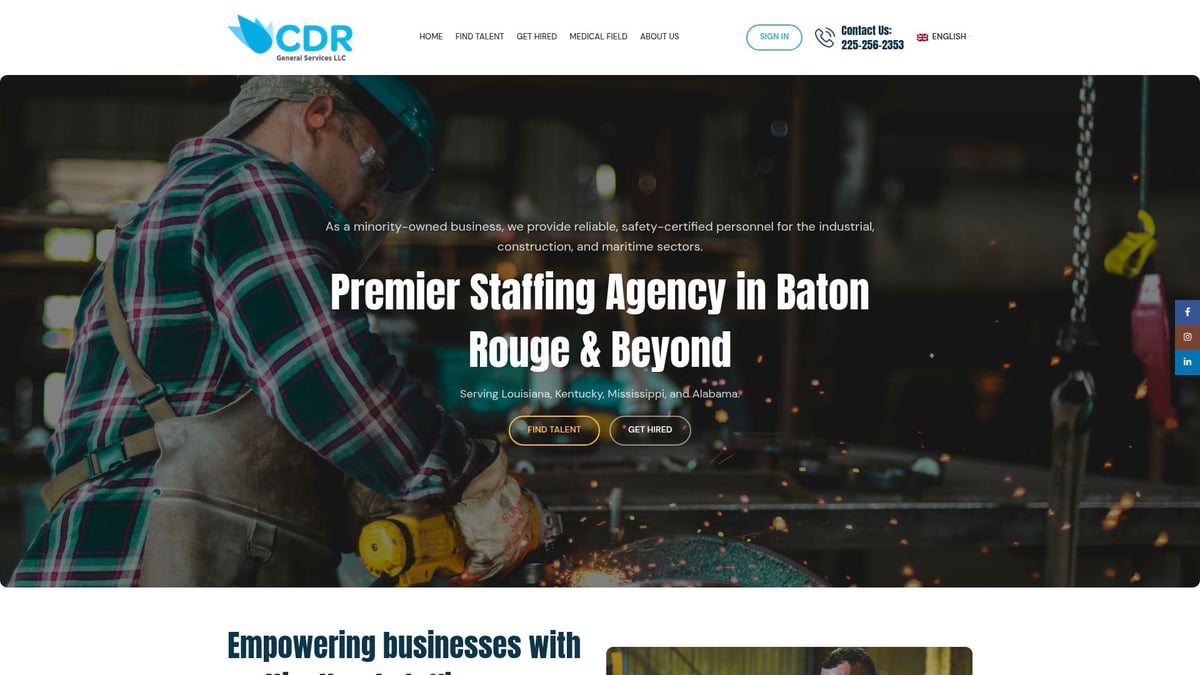
Their teams include safety-certified welders, electricians, pipefitters, equipment operators, and more. Whether you need a large crew for a major project or rapid deployment for urgent jobs, they scale to fit your demands. CDR’s deep local market knowledge and commitment to diversity make them the region’s go-to partner for reliable, ready-to-work talent.
Building a Winning Construction Workforce: Step-by-Step Guide
A successful construction staffing strategy is never built on guesswork. You need a step-by-step approach that covers every phase—from the first blueprint to workforce development. Here’s how industry leaders build high-performing, future-ready teams that get projects done right, every time.

Step 1: Defining Your Staffing Needs and Project Requirements
Start by mapping out the exact needs for your construction staffing. Assess the full scope of your project, timeline, and the specialized skills required. Identify gaps in your current workforce and anticipate any surge needs that might arise.
Use workforce analytics to forecast demand. Factor in compliance, safety, and licensing requirements for every role. For instance, healthcare and infrastructure projects often require specific certifications, making precision in planning essential.
A clear understanding at this stage saves you from costly delays later. This foundational step ensures your construction staffing plan is both strategic and adaptable.
Step 2: Crafting Effective Job Descriptions and Employer Branding
The next move in construction staffing is writing job descriptions that actually attract the right people. Be specific about required skills, certifications, and daily responsibilities. Generic posts waste everyone’s time.
Highlight your company’s culture, safety record, and career growth opportunities. These elements boost your employer brand and set you apart in the market. Top talent wants to know what makes your team different.
Agencies can help craft compelling postings tailored for electricians, welders, and project managers. Strong branding and clear expectations drive the right candidates straight to your door.
Step 3: Sourcing and Attracting Qualified Candidates
To win at construction staffing, cast a wide net. Tap into multiple channels—staffing agencies, job boards, referrals, and social media. Don’t ignore passive candidates or diverse networks; sometimes the best fit is not actively looking.
Partner with agencies that have access to pre-screened, local, and niche talent pools. This is critical if you need someone on-site fast. The best firms can present candidates within 24–48 hours for urgent positions.
A strong sourcing strategy fills your pipeline and keeps your projects moving, even when the labor market is tight.
Step 4: Screening, Interviewing, and Vetting Candidates
Screening is where construction staffing separates the contenders from the pretenders. Check for hands-on experience, certifications, and clean safety records. Rigorous vetting protects your team and reputation.
Conduct behavioral interviews to gauge work ethic and culture fit. Use technology for background checks and reference verification, shaving days off your hiring timeline.
Specialized agencies often provide extra training for veterans and bilingual candidates, giving you access to a broader talent pool. The result: fewer surprises and better hires.
Step 5: Onboarding and Integrating New Hires
A fast, efficient onboarding process is essential for construction staffing success. Use digital tools to streamline paperwork and keep documentation clear. Safety training and orientation should be non-negotiable for every new worker.
Assign mentors or experienced team members to accelerate integration. Make sure compliance with OSHA and local regulations is built into your onboarding system.
When new hires feel supported from day one, you see higher engagement and retention. A smooth start sets the tone for the entire project.
Step 6: Retaining and Developing Your Construction Workforce
Retention is the final pillar of effective construction staffing. Offer competitive pay and benefits packages to keep your best people. Invest in training, upskilling, and clear career paths—these are magnets for loyalty.
Foster a culture of inclusion, safety, and regular recognition. Monitor employee satisfaction and address issues before they escalate. For proven tactics, review these Employee Retention Strategies for 2025.
Partner with agencies that provide leadership development and culture consulting. This commitment to workforce development will future-proof your team and ensure you stay ahead of the curve.
Diversity, Equity, and Inclusion in Construction Staffing
The construction staffing landscape in 2025 is at a crossroads. Companies that prioritize diversity, equity, and inclusion position themselves as industry leaders. The workforce shortage is real, and building teams that reflect different backgrounds is not just good ethics—it’s good business. Let’s break down why a diverse team is your strongest asset, and how to make it happen in your organization.
The Business Case for Diversity in Construction
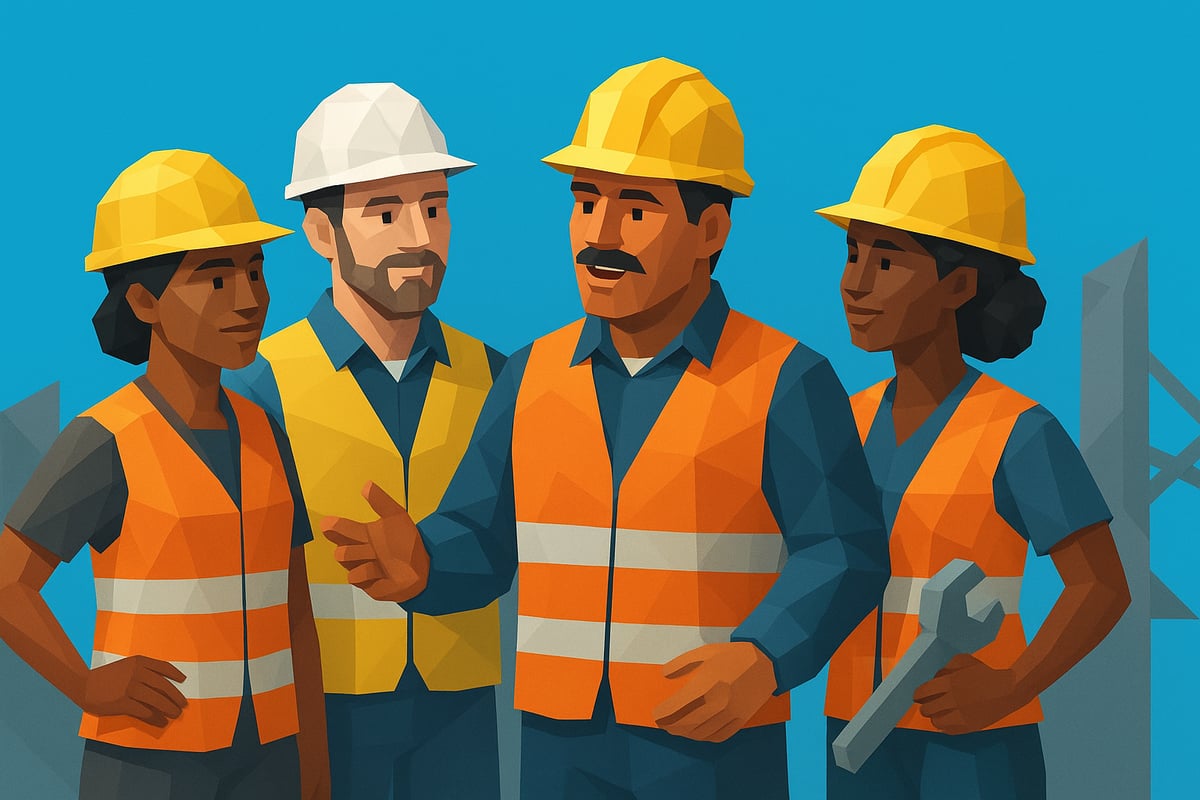
Diversity in construction staffing drives real results. Companies with inclusive teams outperform competitors on innovation, safety, and project delivery. The industry faces a historic labor crunch—according to the Construction Industry Must Attract 439,000 Workers in 2025, the need for new hires has never been higher.
A broader talent pool means you access fresh perspectives and solutions. Demand for women, veterans, and minorities in the field is rising fast. DE&I initiatives aren’t just buzzwords—they help construction staffing teams fill roles quickly and improve retention. When you build a workforce that mirrors your community, you future-proof your projects and reputation.
Strategies for Attracting and Retaining Diverse Talent
Winning at construction staffing requires a proactive approach to diversity. Start by partnering with agencies that specialize in multicultural and bilingual placements. These experts understand how to tap into underrepresented groups and connect you with candidates you might otherwise miss.
Develop outreach programs tailored for women and veterans. Offer mentorship and leadership tracks to help diverse hires advance. Inclusive workplace policies and visible support for DE&I show candidates you walk the talk. The strongest construction staffing teams invest in both finding and keeping diverse talent, ensuring every voice is valued.
Overcoming Barriers to Inclusion
Barriers exist, but solutions do too. Language differences can slow down projects. Hire bilingual supervisors and offer training materials in multiple languages. Advancement can be a challenge for underrepresented groups—create clear pathways for growth.
Foster a culture where respect is non-negotiable. Enforce zero tolerance for discrimination at every level. Agencies like CDR General Services close communication gaps by providing Spanish-speaking talent, making your construction staffing more effective and unified. Inclusion isn’t a checkbox, it is the foundation of a resilient workforce.
Measuring and Reporting DE&I Success
Accountability transforms good intentions into results. Set clear DE&I goals in your construction staffing strategy and track them using workforce analytics. Collect feedback from employees about their sense of belonging and inclusion.
Celebrate your milestones and share success stories to inspire your team and attract top talent. Use DE&I metrics as a core part of your employer brand—it sets you apart in a tight labor market. When you measure progress, you make diversity a permanent advantage in your construction staffing efforts.
Technology and Compliance: Navigating the New Staffing Landscape
The rules of construction staffing are changing fast as technology, compliance, and remote work reshape the entire hiring process. If you want to win in this new era, you need to harness digital tools, enforce safety, and future-proof your workforce strategy. Here’s how you stay ahead of the curve.
Leveraging Technology to Streamline Staffing
Tech adoption is the new normal in construction staffing. AI-powered platforms now sift through hundreds of candidates in seconds, matching your exact skill needs. Digital job boards and talent marketplaces are the first stop for skilled trades and project managers. Agencies are using data analytics to forecast workforce gaps, letting you plan ahead and fill roles quickly.
Automation is everywhere, from digital onboarding to compliance tracking. The Top Trends in US Construction Hiring for 2025 show that agencies can now present qualified candidates in as little as 24 hours, thanks to these tools. If you want to compete, you must leverage technology at every step of your construction staffing process.
Ensuring Compliance and Safety in 2025
Compliance is non-negotiable in construction staffing. Regulations from OSHA, state, and federal agencies are getting stricter. To stay protected, companies must implement rigorous background checks, drug testing, and digital record-keeping for certifications and safety training.
Leading agencies automate these tasks, minimizing human error and ensuring nothing slips through the cracks. Digital onboarding platforms streamline documentation and keep you audit-ready. Partner only with staffing partners who make compliance and safety their top priority. This approach protects your team and your reputation.
Adapting to Remote and Hybrid Work in Construction
The construction staffing landscape now includes remote and hybrid roles, especially in project management and administration. Supporting these teams means providing remote onboarding, tech setup, and clear communication channels.
Agencies like those featured in Managing Talent in the 2025 Construction Industry offer solutions for connecting dispersed teams and managing virtual workflows. As remote work grows, your construction staffing strategy must include tech support and flexible policies to attract the best talent.
Future-Proofing Your Staffing Strategy
Staying competitive in construction staffing means always looking ahead. Update your recruitment process regularly to reflect new tech and compliance standards. Invest in workforce management systems and ongoing training for your team.
Forge partnerships with agencies that offer strategic workforce planning and understand local labor trends. Monitor the market and adapt quickly to labor shifts. With the right technology, compliance focus, and future-ready mindset, you’ll secure the best talent and keep your projects on track.
Expert Tips and Best Practices for Construction Staffing Success
Success in construction staffing comes down to speed, quality, and strategic execution. If you want to stay ahead of the competition, you need a blueprint that delivers both results and resilience. The following expert tips will help you master each stage of the staffing journey, ensuring your projects never miss a beat.
Accelerating Time-to-Hire Without Sacrificing Quality
In construction staffing, timing is everything. The best firms build a proactive talent pipeline so when a project launches, the right people are ready to go.
- Tap into local market expertise to identify top candidates quickly.
- Streamline interviews with structured scoring rubrics.
- Empower decision-makers with real-time data and candidate insights.
According to Southeast Job Market Trends 2025, demand for skilled labor is surging, so speed must never compromise quality. Top agencies routinely fill roles in as little as two days, but only after rigorous vetting.
Building Strategic Partnerships with Staffing Agencies
Construction staffing is not a solo sport. Leading firms form strategic partnerships with agencies that know the industry inside out.
- Choose agencies with proven track records and deep local connections.
- Collaborate on workforce planning to anticipate project needs.
- Leverage agency support for compliance, onboarding, and retention.
Agencies manage sourcing, screening, and onboarding, freeing your team to focus on project delivery. The right partner becomes an extension of your business, adapting as your needs evolve.
Maximizing Workforce Productivity and Engagement
A productive workforce is your competitive edge in construction staffing. Invest in your people to get the best from them.
- Offer ongoing training and upskilling for new technologies and safety protocols.
- Foster open communication and regular feedback loops.
- Recognize and reward high performers to boost morale.
Flexible scheduling and support for work-life balance can reduce burnout and turnover. Satisfied workers are safer, more engaged, and more likely to recommend your company to others.
Preparing for the Next Generation of Construction Talent
The future of construction staffing depends on attracting and developing new talent. Engage early and build your bench strength.
- Partner with trade schools, apprenticeship programs, and community colleges.
- Offer internships and entry-level roles to introduce young workers to the field.
- Promote construction careers to underrepresented groups and highlight advancement paths.
If you want to see what today’s opportunities look like, review the Career Opportunities in Construction page for examples of real roles and growth trajectories. Invest in leadership development now to cultivate tomorrow’s supervisors and managers.