


Blog
Bilingual Clerical Staffing Alexandria for Hospitals and Clinics Guide 2026

The demand for bilingual clerical staffing alexandria for hospitals and clinics is rising fast, changing how healthcare facilities operate and care for patients. In Alexandria, language barriers can disrupt patient satisfaction, delay care, and create compliance headaches for hospitals and clinics.
Facilities that prioritize bilingual clerical staffing alexandria for hospitals and clinics gain a real edge, improving communication, building trust, and boosting outcomes for every patient. Investing in these professionals leads to smoother operations, fewer misunderstandings, and greater patient loyalty.
This guide is your roadmap to sourcing, hiring, and managing bilingual clerical staffing alexandria for hospitals and clinics in 2026. We’ll cover trends, practical steps, compliance essentials, and the future outlook, so you can lead with confidence.
The Growing Need for Bilingual Clerical Staffing in Alexandria’s Healthcare Sector
The demand for bilingual clerical staffing alexandria for hospitals and clinics is reaching new heights. Alexandria’s healthcare landscape is changing fast, and language access is no longer a luxury—it is a necessity. As hospitals and clinics strive to serve an increasingly diverse community, the ability to communicate clearly and efficiently with every patient sets the gold standard for care.
Alexandria’s Patient Demographics and Language Diversity
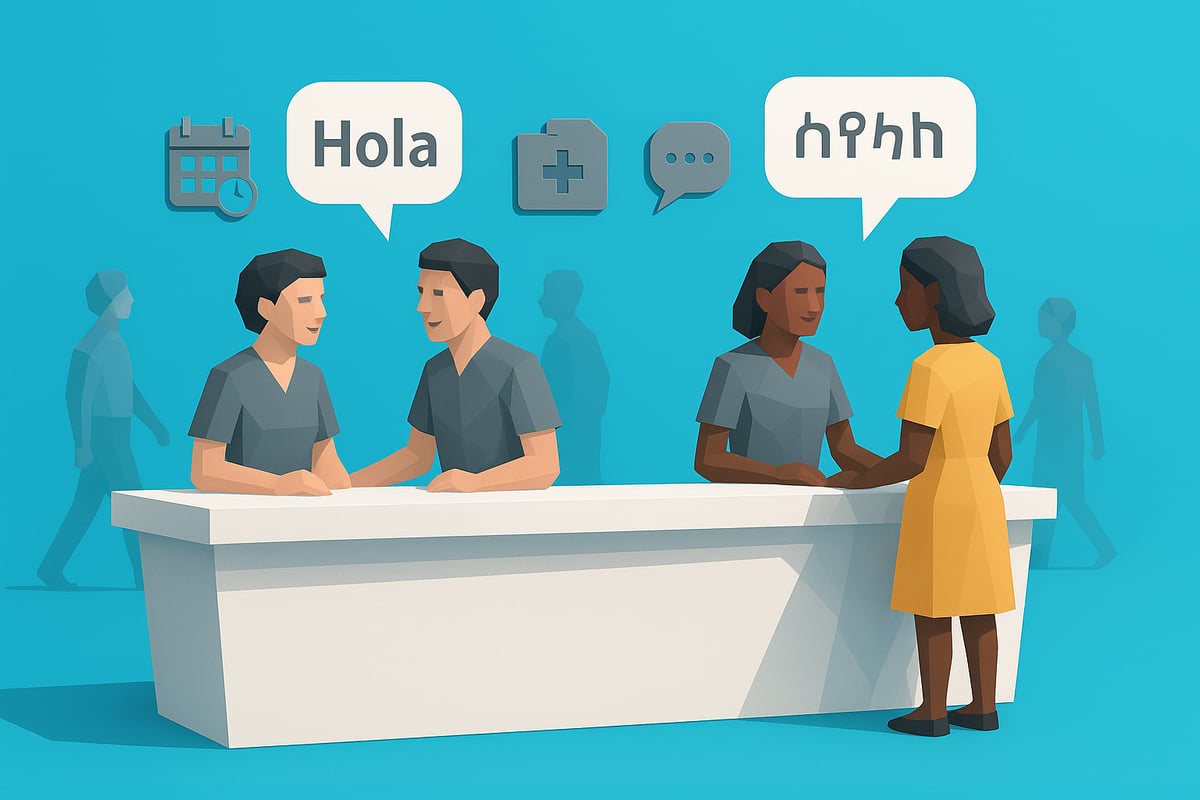
Alexandria is a melting pot, home to residents from across the globe. Over 25% of Alexandria households speak a language other than English at home. Spanish, Amharic, and Arabic are among the most common, but healthcare teams encounter dozens of languages every day.
| Language Spoken at Home | Percentage of Alexandria Residents |
|---|---|
| English | 75% |
| Spanish | 12% |
| Amharic | 5% |
| Arabic | 3% |
| Other Languages | 5% |
This diversity directly impacts the need for bilingual clerical staffing alexandria for hospitals and clinics. When patients cannot communicate effectively, their care suffers and satisfaction drops.
Regulatory Requirements and Accreditation Standards
Healthcare providers are not just encouraged—they are required—to provide meaningful language access. Federal and state laws, including Title VI of the Civil Rights Act and the Affordable Care Act, demand equal access for Limited English Proficiency (LEP) patients. Accreditation bodies like the Joint Commission require documented language access protocols.
For detailed local guidance, the Virginia Department of Health’s Language Access Resource Guide outlines compliance steps and best practices for Alexandria facilities. Staying compliant is not optional; it is essential to avoid penalties, lawsuits, and reputational harm.
Risks of Miscommunication and the Clerical Staff’s Role
Language barriers create real risks in healthcare settings. Consider these common scenarios:
- Incorrect patient intake data leads to treatment errors.
- Missed appointments due to misunderstanding scheduling instructions.
- Billing mistakes that delay insurance claims and payments.
- Confusion over consent forms and medical records.
Clerical staff are the first line of defense. Their work in intake, scheduling, billing, and records management is foundational. Bilingual clerical staffing alexandria for hospitals and clinics ensures patients are understood from the first interaction, reducing costly and dangerous errors.
Trends: Rising Demand for Language Skills
Demand for Spanish, Amharic, and Arabic-speaking clerical staff has never been higher. Employers are prioritizing these skills when hiring. Investing in bilingual clerical staffing alexandria for hospitals and clinics is about more than checking a box—it is about patient safety, satisfaction, and reducing liability.
Facilities that lead in language access consistently see higher patient satisfaction scores and improved health outcomes. These organizations are not just meeting the minimum—they are setting the bar for excellence.
Supporting Community Outreach and Health Equity
Bilingual clerical staff are crucial bridges to the community. They support outreach events, health fairs, and wellness initiatives, ensuring every patient feels seen and heard. By embracing bilingual clerical staffing alexandria for hospitals and clinics, healthcare leaders advance health equity and build trust with Alexandria’s diverse population.
The future belongs to those who invest in language access now. Bilingual clerical staff are more than a hiring trend—they are the backbone of a truly patient-centered healthcare system.
Key Skills and Qualities to Look for in Bilingual Clerical Staff
Finding the right talent for bilingual clerical staffing alexandria for hospitals and clinics is no small feat. The stakes are high—patient safety, clear communication, and operational efficiency all hinge on your clerical team’s abilities. Top-tier bilingual staff do more than just translate; they bridge gaps, build trust, and keep the system running smoothly.
Language Proficiency: Beyond Conversation
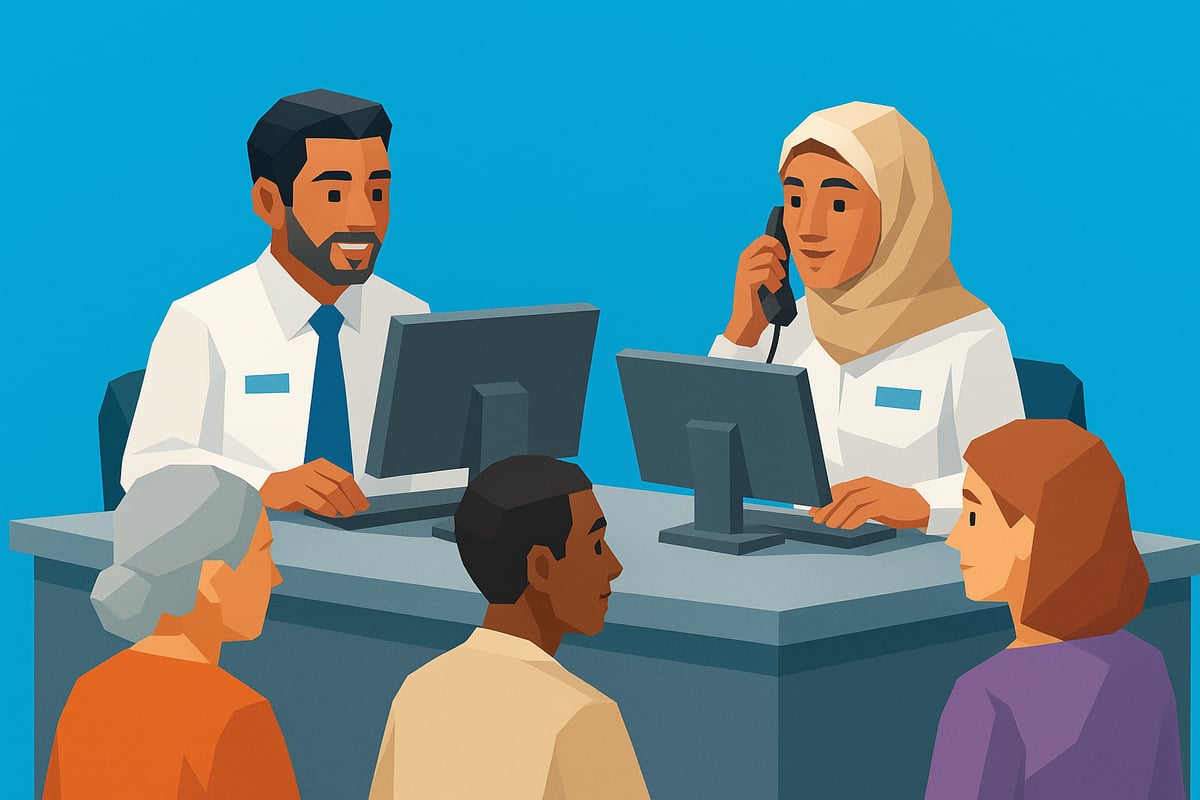
For effective bilingual clerical staffing alexandria for hospitals and clinics, language proficiency must go beyond everyday conversation. Staff should be comfortable with medical terminology, appointment protocols, and insurance vocabulary in both English and the target language.
| Proficiency Level | Description | Recommended Role |
|---|---|---|
| Conversational | Basic interaction, simple info exchange | Greeting, basic intake |
| Professional | Can handle records, scheduling, insurance calls | Billing, documentation |
| Medical Fluency | Understands medical terms, explains procedures | Patient education, triage |
A candidate’s ability to navigate medical forms and explain procedures in both languages directly impacts patient experience.
Administrative and Soft Skills: The Winning Combo
Success in bilingual clerical staffing alexandria for hospitals and clinics demands more than language skills. Administrative competencies are non-negotiable. Look for:
- Data entry accuracy
- Mastery of digital scheduling tools
- Handling medical records with precision
- Insurance processing know-how
Equally vital are soft skills:
- Cultural sensitivity and empathy
- Professionalism with every patient
- Adaptability in fast-paced environments
Staff who balance these abilities can turn stressful visits into positive encounters, increasing patient satisfaction and loyalty.
Compliance, Confidentiality, and Assessment
Confidentiality is critical in bilingual clerical staffing alexandria for hospitals and clinics. Clerical staff must uphold HIPAA standards, especially when communicating sensitive information in multiple languages.
Assess candidates with:
- Language proficiency testing
- Scenario-based interview questions
- Reference checks from previous healthcare roles
Certifications such as medical interpreter training or HIPAA compliance add significant value. Ongoing training ensures staff stay current on privacy laws and cultural competence.
Real-World Impact and Strategic Sourcing
The right hire for bilingual clerical staffing alexandria for hospitals and clinics can reduce costly errors and improve outcomes. For example, a Spanish-speaking receptionist who explains discharge instructions in a patient’s first language can prevent readmissions.
Balancing language, technical, and interpersonal skills is imperative. You do not have to do it alone—partnering with a staffing agency with bilingual recruiters streamlines the process and guarantees access to thoroughly vetted talent.
Invest in these core skills and your clerical team will be the backbone of a safer, more welcoming healthcare environment.
Step-by-Step Guide to Hiring Bilingual Clerical Staff for Hospitals and Clinics in Alexandria
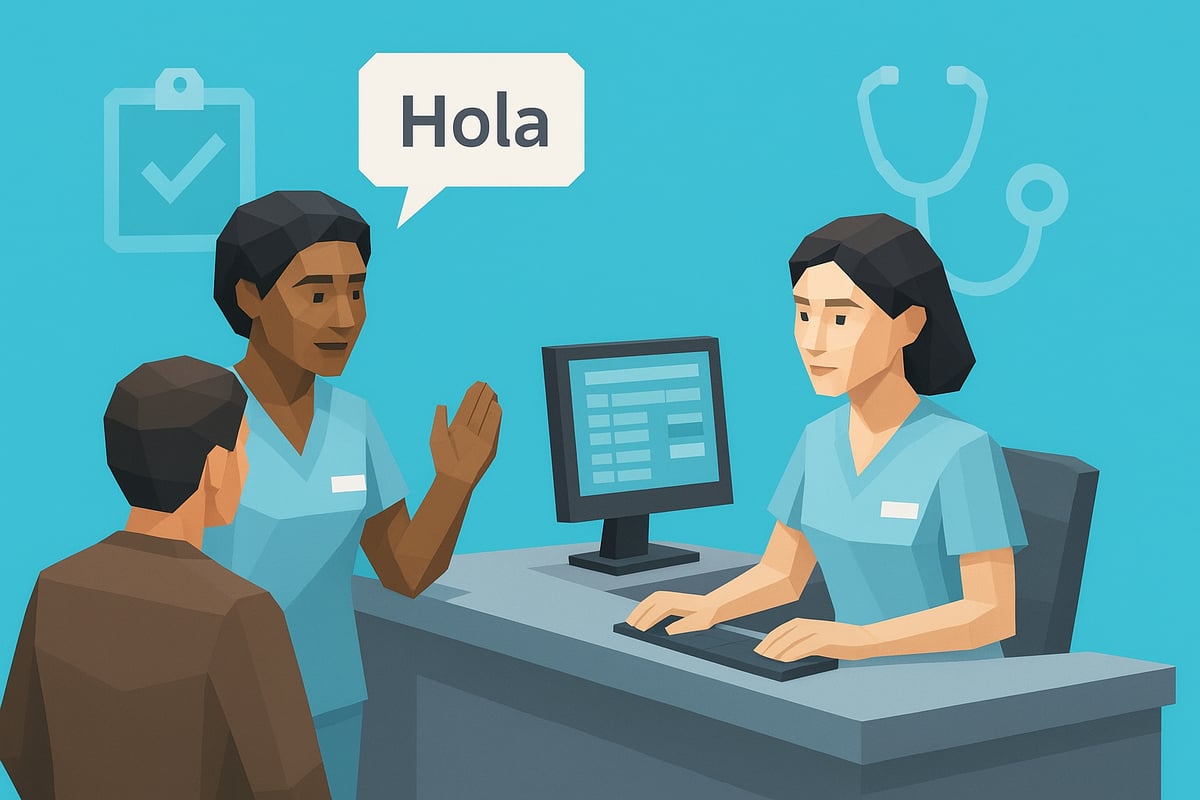
Hiring top-tier bilingual clerical staff in Alexandria’s hospitals and clinics is not just about checking boxes. It is a strategic process that demands precision, insight, and a deep understanding of your patient demographics. Let’s walk through a proven, step-by-step approach for effective bilingual clerical staffing alexandria for hospitals and clinics.
Step 1: Define Your Staffing Needs
Start by analyzing your patient mix. What languages are most common among your non-English-speaking patients? Review recent data and patient surveys to pinpoint language gaps.
Next, identify which clerical roles are most impacted. Is the need greatest at the front desk, in billing, or medical records? Decide if you require full-time, part-time, or temporary coverage.
Set a clear budget and allocate resources accordingly. Consult department heads to ensure your plan aligns with operational realities. This foundational work is essential for successful bilingual clerical staffing alexandria for hospitals and clinics.
Step 2: Craft Effective Job Descriptions and Postings
Your job descriptions must cut through the noise. Use clear, inclusive language and explicitly state the bilingual requirement, including which languages are needed.
Highlight cultural competency and any previous healthcare experience as must-haves. List both essential and preferred qualifications, such as expertise in medical terminology or experience with EHR systems.
Make confidentiality and compliance expectations front and center. For example, a bilingual medical receptionist posting should reference HIPAA standards and patient privacy. This clarity attracts qualified candidates for bilingual clerical staffing alexandria for hospitals and clinics.
Step 3: Sourcing Candidates
Now it is time to find the talent. Leverage local job boards, healthcare networks, and community organizations. Partner with staffing agencies that specialize in bilingual roles, especially those with a strong track record in Spanish-speaking placements. For example, the Louisiana staffing agency providing Spanish-speaking office assistants offers targeted solutions for hospitals and clinics seeking bilingual clerical staffing alexandria for hospitals and clinics.
Attend career fairs and language-focused recruitment events. Tap into local colleges and language programs for emerging talent. Use social media and professional platforms to cast a wider net.
Step 4: Screening and Interviewing
Implement rigorous language proficiency assessments to verify candidates’ abilities. Use scenario-based interview questions to gauge real-world problem-solving and adaptability.
Check for relevant certifications and strong references. Involve bilingual staff or interpreters during interviews to assess cultural fit and communication skills.
Evaluate candidates’ understanding of healthcare protocols and privacy rules. This step is critical for ensuring quality in bilingual clerical staffing alexandria for hospitals and clinics.
Step 5: Onboarding and Training
A strong onboarding program sets your staff up for success. Provide a thorough orientation on hospital or clinic protocols, emphasizing compliance and patient confidentiality.
Offer language and cultural competency training as part of the onboarding process. Assign mentors or peer support to help new hires integrate smoothly into your team.
Set clear performance expectations and monitor early progress. Regular feedback ensures your bilingual clerical staffing alexandria for hospitals and clinics delivers immediate value.
Step 6: Retention and Professional Development
Retention is where you win or lose in the staffing game. Offer ongoing training and language development opportunities to keep your team sharp.
Create recognition and advancement pathways for high performers. Foster an inclusive, supportive culture by soliciting feedback from both staff and patients.
Address burnout and workload balance proactively. When your bilingual clerical staffing alexandria for hospitals and clinics feels valued and supported, they deliver the best patient experience.
Legal, Regulatory, and Compliance Considerations in Bilingual Staffing
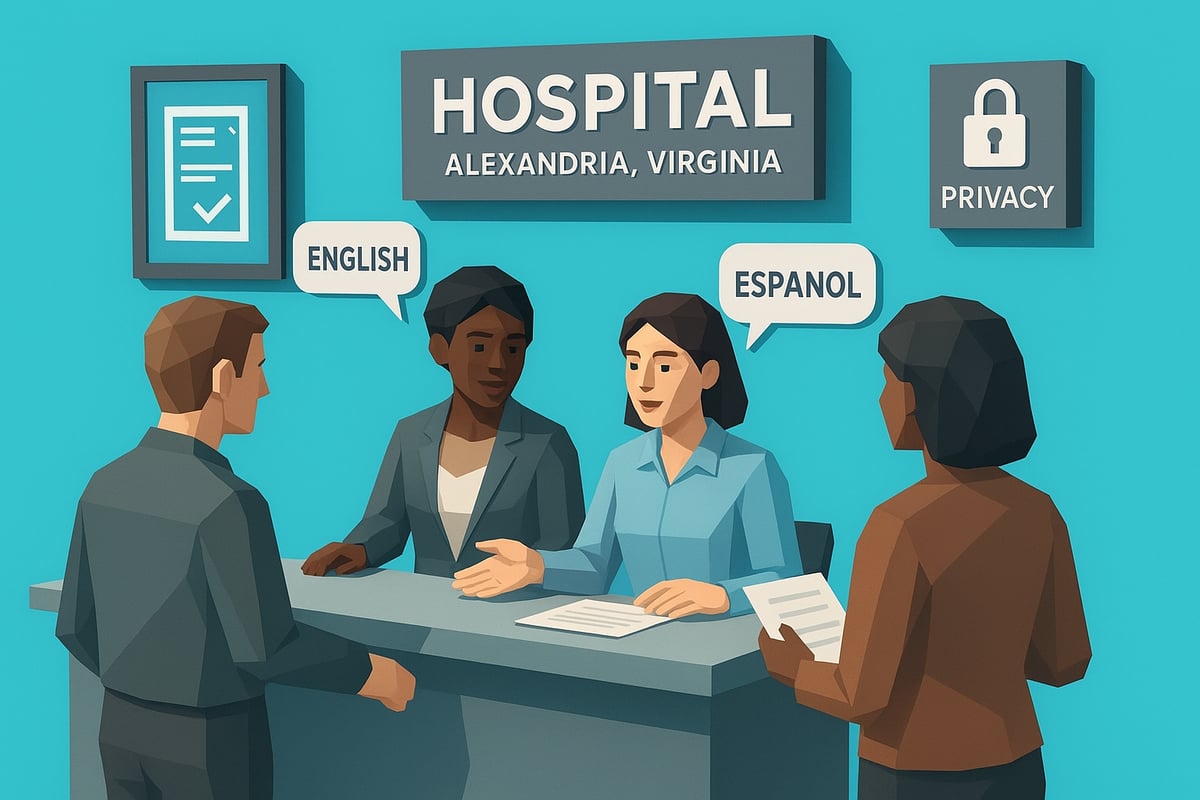
Navigating the legal and regulatory landscape is non-negotiable for any organization focused on bilingual clerical staffing alexandria for hospitals and clinics. The stakes are high—compliance means protecting your patients, your staff, and your reputation.
Understanding Federal, State, and Local Requirements
Federal law sets the baseline. Title VI of the Civil Rights Act mandates that healthcare providers receiving federal funds must offer language access to patients with limited English proficiency (LEP). The Americans with Disabilities Act (ADA) applies to patients with hearing or speech impairments. Virginia law and Alexandria ordinances reinforce these protections.
Hospitals and clinics must also comply with accreditation organizations like The Joint Commission and NCQA, both of which require documented evidence of language services. For a deep dive into these foundational laws, review the Legal Framework for Language Access in Healthcare Settings.
Failing to meet these requirements can jeopardize funding and accreditation. That is why bilingual clerical staffing alexandria for hospitals and clinics is not just a best practice—it is a legal imperative.
Table: Key Compliance Responsibilities
| Law/Standard | Requirement | Applies To |
|---|---|---|
| Title VI | Language access for LEP patients | Federally funded facilities |
| ADA | Communication aids for disabilities | All healthcare providers |
| Joint Commission | Documentation of language services | Accredited hospitals/clinics |
HIPAA, Patient Privacy, and Multilingual Communication
Patient privacy is central to every healthcare interaction. HIPAA regulations apply to all communications, regardless of language. Bilingual clerical staffing alexandria for hospitals and clinics must ensure staff are trained to maintain confidentiality in every language spoken.
This means:
- Secure handling of multilingual documentation
- Proper use of interpretation and translation services
- Training staff on privacy protocols for all patient interactions
Privacy breaches can result in severe penalties. Proactive compliance training and robust documentation processes are essential.
Fair Hiring, Anti-Discrimination, and Record-Keeping
Hiring practices must align with equal opportunity laws. Bilingual clerical staffing alexandria for hospitals and clinics should never discriminate based on race, national origin, or language background.
Best practices include:
- Using clear, inclusive job descriptions
- Documenting objective language proficiency assessments
- Keeping detailed records of recruitment, training, and language access services
Proper record-keeping supports compliance with audits and protects against discrimination claims.
Avoiding Pitfalls: Best Practices and Risk Mitigation
Compliance is not just about checking boxes. Common pitfalls include informal translation by untrained staff, lack of documentation, and inconsistent training.
To mitigate risk and build a culture of compliance:
- Offer regular legal and regulatory training for all staff
- Use certified interpreters and professional translation tools
- Audit language access practices and update protocols annually
Bilingual clerical staffing alexandria for hospitals and clinics is most effective when compliance is woven into every operational layer. Leadership must champion these standards to protect patients, staff, and the facility itself.
Technology and Tools Supporting Bilingual Clerical Staff
Technology is the backbone of modern bilingual clerical staffing alexandria for hospitals and clinics. With Alexandria’s diverse patient base and fast-paced healthcare environment, leveraging the right digital tools is not just a nice-to-have, it’s the only way to deliver seamless patient care and operational excellence.
Translation and Interpretation Software: Breaking Language Barriers
For bilingual clerical staffing alexandria for hospitals and clinics, translation and interpretation platforms are game changers. Tools like on-demand video interpretation, AI-driven chatbots, and real-time text translation empower staff to communicate with patients in Spanish, Amharic, Arabic, and beyond.
These digital solutions minimize misunderstandings at check-in, during appointment scheduling, or when explaining forms. Many Alexandria healthcare facilities also leverage programs like the Virginia Language Connections Program to bridge language gaps and ensure compliance with state standards.
EHR, Patient Portals, and Multilingual Scheduling
Electronic Health Record (EHR) systems now come equipped with multilingual modules. This enables bilingual clerical staffing alexandria for hospitals and clinics to capture patient data accurately, set language preferences, and reduce costly errors.
Patient portals with language selection options allow families to review medical instructions, lab results, and billing information in their preferred language. Scheduling and billing software, optimized for bilingual workflows, ensures every patient receives reminders, bills, and updates they can understand.
| Technology Type | Key Features | Benefit to Bilingual Staffing |
|---|---|---|
| Translation Software | On-demand interpretation, text translation | Instant communication, fewer errors |
| Multilingual EHR | Language-specific forms, data fields | Accurate records, better compliance |
| Patient Portals | Multi-language support, easy navigation | Higher satisfaction, reduced confusion |
| Scheduling & Billing | Bilingual reminders, translated invoices | Fewer missed appointments, timely pay |
| Mobile Apps | Staff messaging, patient engagement | Faster coordination, improved outreach |
Mobile Apps, Security, and Real-World Results
Mobile apps connect bilingual clerical staffing alexandria for hospitals and clinics teams, enabling secure messaging and quick patient updates. These tools help staff coordinate across departments and provide critical information to limited English proficiency (LEP) patients.
Data security is non-negotiable. All communication platforms must be HIPAA-compliant, with encrypted transmissions and strict access controls, safeguarding patient privacy regardless of language.
Local clinics in Alexandria have seen real gains. By integrating multilingual EHRs and translation apps, facilities report shorter check-in times and higher patient satisfaction. The return on investment is clear: fewer errors, faster workflows, and a reputation for inclusion.
Staying Ahead: The Tech-Enabled Future
Investing in technology for bilingual clerical staffing alexandria for hospitals and clinics is not just about meeting legal requirements. It’s about building a future-ready workforce and delivering care that reflects Alexandria’s multilingual community.
The right tools elevate your team, drive efficiency, and keep your facility ahead of the curve. Are you ready to transform your staffing strategy with the latest in language access technology?
Future Trends: Bilingual Clerical Staffing Outlook in Alexandria for 2026
The landscape for bilingual clerical staffing alexandria for hospitals and clinics is shifting rapidly. As we look toward 2026, healthcare leaders must anticipate new demands, leverage technology, and build future-ready teams to stay competitive.
Alexandria’s Demographic Future: New Language Frontiers
Expect Alexandria’s population to become even more multicultural by 2026. The need for bilingual clerical staffing alexandria for hospitals and clinics will grow as patient diversity increases.
Spanish remains crucial, but demand for Amharic, Arabic, and other languages is rising. Hospitals and clinics must analyze census data and patient intake trends to forecast which languages to prioritize. This evolving linguistic landscape requires continuous adaptation, ensuring every patient feels seen and heard.
- Spanish, Amharic, Arabic, Tagalog, and French are likely to top the list.
- Patient trust and satisfaction hinge on effective bilingual communication.
- Community outreach will depend on staff who reflect Alexandria’s diversity.
AI & Automation: Transforming Bilingual Clerical Staffing
AI-driven tools are revolutionizing how bilingual clerical staffing alexandria for hospitals and clinics operates. Expect smarter scheduling, automated translation, and real-time interpretation to become standard.
Tech-savvy staff will be vital as electronic health records (EHRs) and patient portals integrate multilingual capabilities. AI can streamline document translation and appointment reminders, freeing clerical staff to focus on high-touch patient interactions.
For insights on optimizing language access with advanced scheduling, review this Stochastic Programming for Medical Interpreting Services study. Embracing automation will help Alexandria facilities serve limited English proficient patients efficiently while maintaining compliance.
Building Cultural Competence & Educational Partnerships
Investing in cultural competence is essential for bilingual clerical staffing alexandria for hospitals and clinics. Training programs must go beyond language, teaching staff to recognize and bridge cultural nuances in healthcare.
Partnerships with local colleges and language institutes will strengthen talent pipelines. Joint internships and certification programs can prepare candidates for the unique demands of medical office environments.
Looking for proven strategies? See how bilingual staffing solutions Monroe for customer-facing businesses leverage community networks and targeted recruitment. Alexandria’s hospitals and clinics should adopt similar models to attract and retain top bilingual talent.
Staying Ahead: Staffing Predictions & Strategies for 2026
Data shows the competition for skilled bilingual clerical staffing alexandria for hospitals and clinics will intensify. Facilities must offer ongoing professional development, recognition programs, and clear advancement paths to retain their best people.
Expect telehealth to expand, requiring bilingual clerical staff to manage virtual patient engagement and remote documentation. Facilities that embed cultural competence into hiring and training will lead the pack.
Key strategies for 2026 include:
- Forecasting demographic shifts annually
- Investing in AI and telehealth training
- Building long-term education partnerships
- Fostering an inclusive, growth-oriented workplace
Forward-thinking healthcare leaders will secure their competitive edge by evolving with Alexandria’s diverse community and the latest staffing innovations.
If you have questions about bilingual clerical staffing alexandria for hospitals and clinics, you are not alone. Below is a comprehensive FAQ section designed to provide quick, authoritative answers for healthcare leaders and HR professionals.