


Blog
Staffing for Logistics and Transportation Alabama: 2026 Guide

Alabama’s logistics and transportation sector is on the brink of explosive growth by 2026, driven by massive infrastructure investments and rising demand across industries. Yet, the race to secure the right talent is tougher than ever, with staffing hurdles threatening to slow progress. This definitive guide demystifies staffing for logistics and transportation alabama, giving you the strategies and insights to outpace the competition. You’ll learn how to navigate workforce trends, master compliance, optimize recruitment, and future-proof your team. Get ready to unlock operational excellence and build a workforce that keeps Alabama moving forward.
Alabama’s Logistics & Transportation Landscape: 2026 Outlook
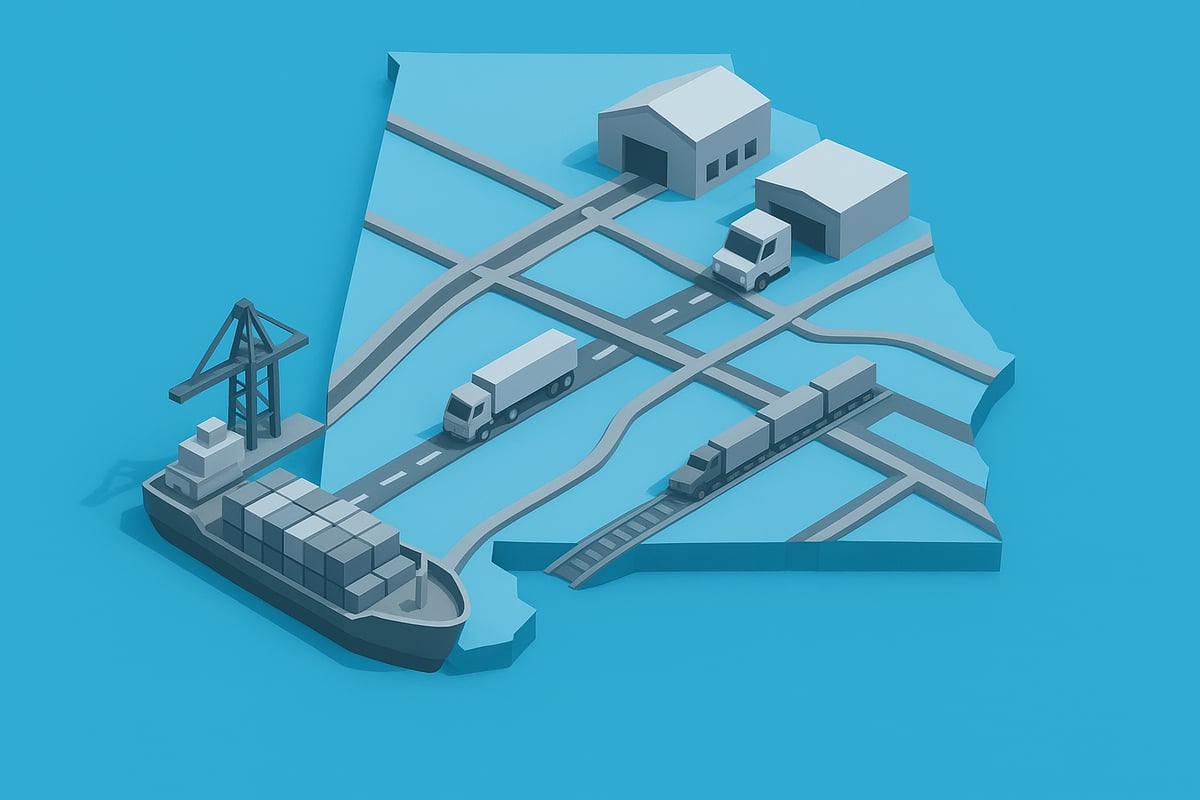
Alabama’s logistics and transportation sector is entering a new era of expansion. The state’s strategic location, robust infrastructure, and pro-business climate have made it a logistics powerhouse in the Southeast. When it comes to staffing for logistics and transportation alabama, understanding the landscape is step one.
The industry covers a wide range of services:
- Trucking and freight transport
- Warehousing and distribution
- Port operations (notably at the Port of Mobile)
- Rail and intermodal facilities
Recent infrastructure investments are reshaping the industry. The Port of Mobile’s expansion, upgrades to interstates like I-65 and I-20, and new distribution centers are translating into thousands of new jobs. These projects are magnets for employers who need agile staffing for logistics and transportation alabama to keep up with demand.
Employment is on an upward trajectory. According to recent reports, Alabama’s unemployment rate has dropped to a record low, reflecting a tight labor market and fierce competition for skilled workers. For the most up-to-date statistics and trends, see Alabama’s Unemployment Rate Drops to 2.7%. This means companies must be proactive in their staffing for logistics and transportation alabama.
Let’s break down the numbers:
| Sector | 2024 Jobs | 2026 Projected Jobs | % Growth |
|---|---|---|---|
| Trucking | 38,000 | 41,500 | 9.2% |
| Warehousing | 24,000 | 27,800 | 15.8% |
| Port/Maritime | 7,500 | 8,900 | 18.7% |
| Rail/Intermodal | 5,200 | 5,700 | 9.6% |
What’s driving this surge? E-commerce giants, automotive manufacturing expansions, and Alabama’s emergence as a regional distribution hub. Companies in Birmingham, Mobile, and Huntsville are fueling the need for premium staffing for logistics and transportation alabama.
Urban centers like Birmingham and Mobile attract high volumes of logistics jobs, but rural areas see unique challenges. Staffing for logistics and transportation alabama in rural regions means sourcing candidates who can adapt to limited public transit, longer commutes, and broader skill requirements.
Major employers include:
- Mercedes-Benz U S International (Tuscaloosa)
- Amazon (Bessemer)
- APM Terminals (Mobile)
- FedEx and UPS regional hubs
Industry clusters are forming around these giants, creating ripple effects across the state. Yet, the demand for CDL drivers, warehouse supervisors, and forklift operators consistently outpaces supply. The Alabama Department of Labor reports persistent skill gaps, especially for safety-certified and bilingual talent.
Technology is rapidly changing workforce requirements. Automation, transportation management systems (TMS), and telematics boost efficiency but also require a more tech-savvy workforce. Companies that invest in upskilling and digital literacy will win the battle for top staffing for logistics and transportation alabama.
In summary, Alabama’s logistics landscape in 2026 is defined by growth, innovation, and fierce competition for talent. Employers who understand these dynamics and act decisively will secure their place at the top.
Key Staffing Trends & Workforce Challenges for 2026
Alabama’s logistics and transportation sector is on the brink of significant change. To master staffing for logistics and transportation alabama, you must understand the trends shaping the workforce in 2026. The stakes are high. Talent shortages, shifting demographics, and technological disruption are rewriting the rules for every employer in the state.
Demographic Shifts and Diversity: The New Workforce Reality
The workforce behind staffing for logistics and transportation alabama is aging rapidly. Many experienced CDL drivers, supervisors, and warehouse veterans are nearing retirement. This generational turnover is creating a widening experience gap and driving urgent demand for new talent.
At the same time, diversity is becoming a business imperative. Employers who prioritize hiring bilingual and multicultural staff are better positioned to serve Alabama’s growing Hispanic population and meet the needs of global supply chains. In fact, companies with diverse teams report higher productivity and stronger safety records.
- Aging workforce driving retirements
- Generational turnover pushing recruitment needs
- Diversity and bilingual hiring now critical for success
If you’re not cultivating a workforce reflective of Alabama’s evolving demographics, you’re already behind.
Specialized Talent in High Demand
Specialization is the new normal. The demand for skilled CDL drivers, certified forklift operators, and data-savvy supply chain analysts is outpacing supply. According to Alabama Department of Labor, these roles consistently top the list of hard-to-fill positions in the state.
Here’s where the pressure is greatest:
- CDL drivers: Compliance, safety, and experience are non-negotiable
- Warehouse supervisors: Leadership and inventory tech skills in short supply
- Forklift operators: Certification and safety training required
- Supply chain analysts: Data analytics ability is a must-have
For employers focused on staffing for logistics and transportation alabama, sourcing these specialized roles is mission-critical. Wage competition is fierce, and candidates expect robust benefits, advancement opportunities, and a supportive work culture.
Recruiting, Retaining, and Upskilling: The Competitive Edge
Recruiting talent is only half the battle. Retention is where most companies fall short. High turnover rates and long time-to-hire timelines can cripple operations. Consider these Alabama benchmarks:
| Metric | State Average (2024) | Projected (2026) |
|---|---|---|
| Turnover Rate | 32% | 35%+ |
| Average Time-to-Hire | 34 days | 40+ days |
| Talent Shortage Index | 7.1/10 | 8.0/10 |
What’s the solution? Upskilling. Leading logistics firms are investing in on-the-job training, mentorship, and tuition reimbursement to build loyalty and close skill gaps. One Alabama distribution company cut turnover by 18% after rolling out a structured upskilling program that targeted warehouse and driving roles.
Retention strategies to consider:
- Competitive pay and benefits
- Tuition reimbursement for certifications
- Peer mentorship and leadership tracks
Automation, Flexibility, and Digital Transformation
Technology is transforming staffing for logistics and transportation alabama from the ground up. Automation, telematics, and Transportation Management Systems (TMS) are changing what skills are needed on the floor and in the cab. Roles that were once manual are now tech-enabled, requiring digital fluency and adaptability.
Flexible work arrangements are also gaining ground. Remote logistics support, digital scheduling, and mobile workforce management are keeping employees engaged and reducing absenteeism. For a deeper dive into these trends and their impact on recruitment, see the Top Workforce Trends for 2026.
Success in 2026 will depend on your ability to anticipate change, embrace technology, and nurture a team that’s ready for tomorrow’s challenges. If you’re serious about staying ahead, now is the time to act.
Navigating Compliance, Licensing & Safety Regulations
Navigating the regulatory maze is non-negotiable for staffing for logistics and transportation alabama. Federal and state laws are the guardrails that keep your operations safe, legal, and future-proof. For Alabama employers, these rules are not just paperwork—they are the backbone of sustainable staffing.
Federal and State Regulations: The Non-Negotiables
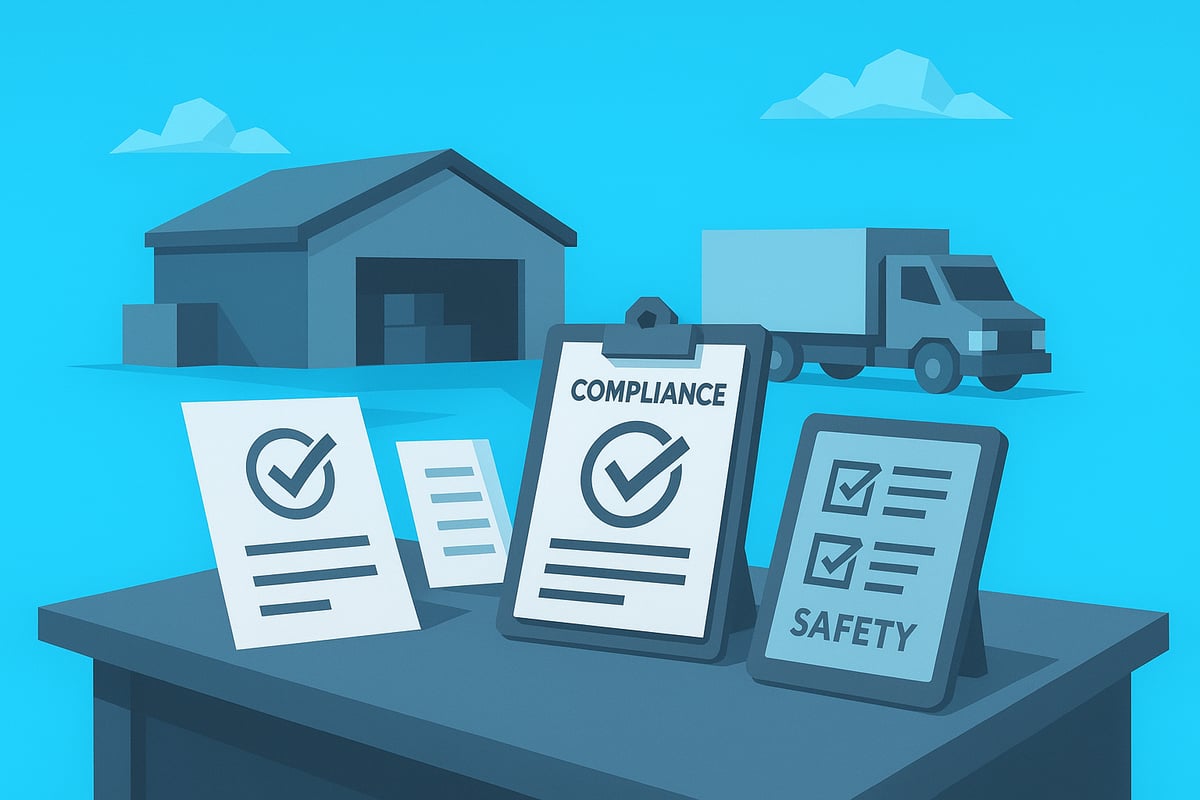
Every staffing for logistics and transportation alabama operation must comply with agencies like FMCSA for driver safety, OSHA for workplace hazards, and DOT for transportation protocols. E-Verify is mandatory for employment eligibility. These standards are the first line of defense against accidents and fines.
Neglecting even a single regulation can jeopardize your business. Smart leaders see compliance as a competitive advantage, not a burden.
Licensing and Certification: Your Ticket to Operate
Proper licensing is a gatekeeper for staffing for logistics and transportation alabama. CDL drivers must meet state and federal requirements, including medical checks and endorsements. Forklift operators and warehouse staff need documented training and renewed certifications.
Failing to verify credentials puts your contracts, insurance, and reputation on the line. Make credential checks as routine as clocking in—no exceptions.
Safety and Compliance Best Practices
Document everything. Maintain detailed records of background checks, drug tests, and safety training. Choose a staffing agency with stricter background checks to ensure your workforce meets every requirement. This is where many staffing for logistics and transportation alabama firms fall short, opening the door to costly mistakes.
For example, a distribution center in Birmingham overlooked a routine drug screening. The result? OSHA fines and a tarnished reputation. Don’t gamble with compliance; make it your gold standard.
Regulatory Updates and Staying Informed
The rules for staffing for logistics and transportation alabama evolve fast. Recent updates include stricter CDL renewal timelines and expanded OSHA reporting. Regulatory portals like the Alabama Department of Labor and FMCSA are essential bookmarks for every HR professional.
Sign up for alerts, review policies quarterly, and build a compliance culture from the ground up. Staying ahead of the curve keeps your team, and your bottom line, protected.
Step-by-Step Guide to Effective Staffing for Logistics & Transportation in Alabama
Mastering staffing for logistics and transportation Alabama requires a methodical approach. You want agility, compliance, and top-tier talent, all working in sync. Here’s the roadmap every Alabama logistics leader needs to build a resilient, high-performing workforce.

Step 1: Assess Your Staffing Needs
Begin with a clear-eyed audit. Effective staffing for logistics and transportation Alabama starts by mapping your current workforce against future operational goals.
Identify:
- Open positions and upcoming retirements
- Seasonal peaks, expansion plans, or new contracts
- Skills gaps in safety, tech, or management
Leverage workload forecasting tools and TMS reports to pinpoint when and where you’ll need reinforcements. For example, analyze TMS data to predict peak shipping seasons or labor-intensive projects. Document the findings. This clarity is your competitive edge.
Step 2: Define Job Roles and Qualifications
Precision in role definition drives quality hires. For staffing for logistics and transportation Alabama, tailor job descriptions to reflect the realities of the Alabama market.
List essential certifications (CDL, OSHA, forklift), experience thresholds, and must-have soft skills. Benchmark against industry standards to stay competitive.
Don’t just list tasks. Specify expectations around safety, communication, and adaptability. A well-defined job description weeds out mismatches and attracts the right talent from the start.
Step 3: Source Qualified Candidates
Finding the right people is an art and a science. For staffing for logistics and transportation Alabama, use every channel at your disposal.
- Partner with warehouse staffing agencies near Alabama for rapid access to pre-vetted talent pools.
- Post on logistics-specific job boards and engage with local vocational schools.
- Build relationships with community colleges offering CDL and supply chain programs.
- Tap into bilingual and multicultural networks to address Alabama’s growing diversity needs.
A multi-pronged sourcing strategy ensures you never scramble when demand surges. The best workforce solutions are proactive, not reactive.
Step 4: Screen and Vet Candidates
Screening is your quality control. Staffing for logistics and transportation Alabama demands rigorous vetting to ensure compliance and safety.
Implement:
- Background checks and drug testing
- Skills assessments for equipment operation and safety protocols
- Reference verification from previous logistics employers
For CDL drivers, verify licensing and clean driving records. Use structured interviews to assess problem-solving and teamwork. Never cut corners. One misstep here can cost you in fines or accidents.
Step 5: Onboard and Train New Hires
A structured onboarding process sets the tone for success. For staffing for logistics and transportation Alabama, your onboarding must go beyond paperwork.
Include:
- Mandatory safety training and operational procedures
- Facility tours and introductions to team leads
- Peer mentorship for accelerated learning
Use checklists to ensure nothing slips through the cracks. Well-trained employees hit the ground running, reducing turnover and boosting morale from day one.
Step 6: Retain and Develop Talent
Retention is where winning teams are built. Staffing for logistics and transportation Alabama is not just about hiring, but keeping your best people engaged and growing.
Offer:
- Competitive pay and comprehensive benefits
- Tuition reimbursement and skill advancement programs
- Clear pathways for promotion and leadership development
Recognize achievements with employee of the month programs or spot bonuses. Foster a culture where feedback is welcomed and every team member feels valued. For example, offering tuition reimbursement has helped Alabama logistics firms reduce turnover by up to 30 percent.
Invest in your people, and they’ll invest in your company’s future.
Top Staffing Solutions & Recruitment Strategies for 2026
Staffing for logistics and transportation Alabama is a high-stakes game. The competition for talent is fierce and only getting tougher as 2026 approaches. If you want to lead, you need a strategy that is sharper, faster, and more effective than the rest. Here is how to win.
In-house Hiring vs. Specialized Staffing Agencies
When it comes to staffing for logistics and transportation Alabama, you have two options: build your team in-house or partner with a specialized staffing agency. In-house hiring gives you direct control, but it is slow, resource-intensive, and often lacks access to niche talent pools. Agencies, on the other hand, deliver rapid access to pre-vetted talent, compliance expertise, and scalable solutions for peak seasons.
Temporary, temp-to-hire, and direct placement models each offer flexibility. For example, if you need forklift operators quickly, using staffing services to hire forklift operators can fill gaps fast, reduce risk, and keep operations moving. The right model depends on your volume, urgency, and team culture.
Digital Recruitment Tools and Sourcing Strategies
Modern staffing for logistics and transportation Alabama demands technology. Applicant tracking systems (ATS), job-matching algorithms, and mobile recruiting apps streamline candidate screening and reduce time-to-hire. These tools help you identify top candidates efficiently, especially for high-demand roles like CDL drivers and warehouse supervisors.
Sourcing passive candidates is just as important. Tap into LinkedIn, targeted job boards, and local community networks to reach talent not actively seeking new roles. Use social media campaigns to showcase your company culture and highlight growth opportunities. The most successful logistics employers are those who make technology their ally.
Employer Branding and Hybrid Staffing Success
In the battle for staffing for logistics and transportation Alabama, your employer brand is your calling card. Candidates want to work for companies that offer stability, growth, and a sense of belonging. Highlight your safety record, career advancement pathways, and commitment to diversity.
Consider the approach taken by logistics firms in Mobile, where Mobile Prepares Workforce for Future Expansion details how collaboration with workforce initiatives has fueled talent pipelines. Hybrid staffing models—combining direct hires with agency partnerships—have proven to boost agility, fill critical roles fast, and maintain high performance across locations.
Evaluating Staffing Partners and Cost Analysis
Choosing a staffing partner for logistics and transportation Alabama is not about price alone. Vet their expertise in compliance, safety, and multicultural placements. Look for agencies with a track record of reliability, rapid response, and understanding of Alabama’s unique logistics landscape.
Compare the costs: Direct hiring involves recruitment expenses, onboarding, training, and potential turnover. Agency fees may appear higher upfront, but the ROI comes from reduced downtime, lower risk, and better talent matches. The smart play is to focus on total value, not just sticker price.
A quick comparison:
| Hiring Approach | Speed | Compliance Support | Scalability | Upfront Cost | Long-term ROI |
|---|---|---|---|---|---|
| In-house | Slow | Moderate | Low | Lower | Moderate |
| Agency | Fast | High | High | Higher | High |
The Decisive Edge
To master staffing for logistics and transportation Alabama, you need more than a checklist. You need a partner who knows the terrain, leverages technology, and brings the right people to your operation—every time. The future belongs to those who move first and move smart.
Future-Proofing Your Workforce: Preparing for 2026 and Beyond
The landscape of staffing for logistics and transportation alabama is shifting at record speed. If you want to compete in 2026 and beyond, you must anticipate disruptive trends and prepare your workforce to adapt. Let’s break down exactly how to future-proof your operation for what’s coming next.
Embracing Automation & Technology
Automation is rewriting the rules for staffing for logistics and transportation alabama. Robotics, AI-driven supply chain management, and telematics are already streamlining repetitive tasks and increasing efficiency. The Port of Mobile’s digital upgrades and regional distribution centers’ adoption of autonomous vehicles are just the beginning.
Federal funding and stricter CDL enforcement are also driving rapid change, as detailed in Federal Transportation Funding Reshapes Freight Market. To stay ahead, employers must invest in tech-savvy talent and ensure teams can leverage new digital tools.
Skills Development & Upskilling
The heart of future-proofing is continuous upskilling. As automation takes over manual tasks, demand surges for workers skilled in TMS, data analytics, and equipment troubleshooting. Alabama logistics companies are already creating in-house academies and partnering with local colleges to keep their teams sharp.
To fill critical driver shortages, many are turning to workforce partners who can find licensed CDL Class A drivers quickly, ensuring compliance and readiness for future market swings. Upskilling must be a constant process, not a one-time fix.
Building a Resilient & Inclusive Workforce
A resilient workforce is diverse and adaptable. Staffing for logistics and transportation alabama requires teams fluent in multiple languages and skilled in cross-cultural communication. Embracing diversity, equity, and inclusion (DEI) is not just a buzzword—it’s essential for weathering talent shortages and shifting customer demands.
List of DEI Best Practices:
- Offer bilingual training and mentorship
- Foster open feedback channels
- Celebrate cultural milestones and achievements
By investing in DEI, you build loyalty, reduce turnover, and unlock new talent pipelines.
Long-Term Planning & Community Partnerships
Future-proofing is not just about technology—it’s about strategic partnerships and proactive planning. Collaborate with Alabama’s vocational schools and workforce boards to shape curricula that align with real logistics needs. Support apprenticeship programs and sponsor CDL training classes to build your ideal talent pool.
Forecasting the future workforce for staffing for logistics and transportation alabama means tracking labor trends, understanding demographic shifts, and creating flexible staffing models. Use data-driven insights to adjust hiring strategies, pilot new scheduling formats, and plan for both seasonal spikes and long-term growth.
Action Steps Table:
| Step | Impact |
|---|---|
| Partner with local colleges | Access emerging talent early |
| Invest in tech training | Boost efficiency, reduce error rates |
| Embrace DEI initiatives | Broaden talent pool, foster resilience |
| Leverage workforce data | Predict and fill future skill gaps |
By taking these steps now, you will secure a competitive edge in staffing for logistics and transportation alabama for years to come.