


Blog
Marine Staffing Baton Rouge: Expert Workforce Solutions

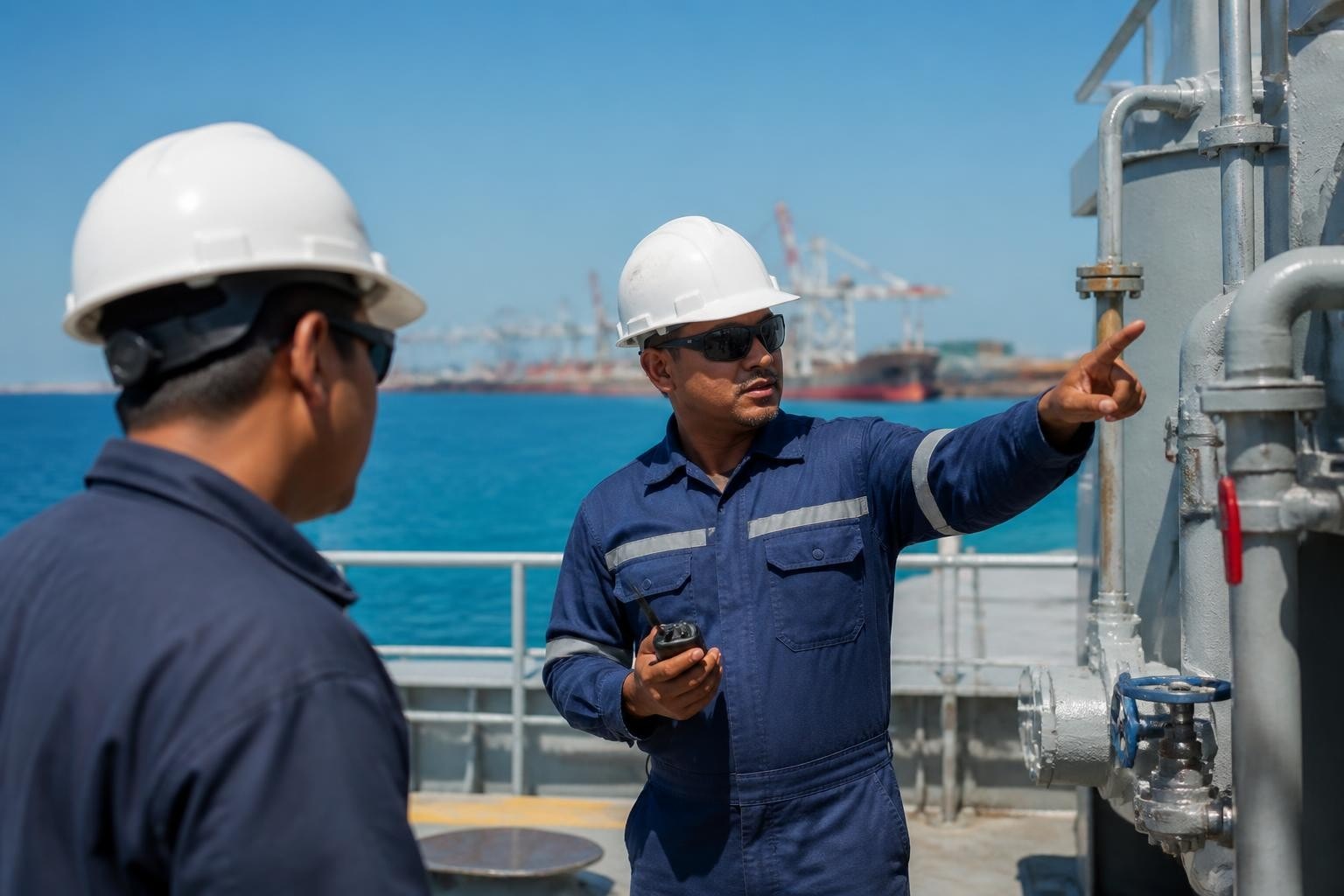
The maritime sector in Baton Rouge operates at the intersection of Louisiana's inland waterways and the Gulf of Mexico, demanding a specialized workforce that understands the unique challenges of marine operations. Finding qualified maritime personnel who meet safety certifications, possess technical expertise, and communicate effectively across diverse teams presents a complex challenge that requires more than standard staffing approaches. Marine staffing Baton Rouge requires industry-specific knowledge, local expertise, and an unwavering commitment to safety and compliance that separates decisive staffing partners from inadequate alternatives.
The Unique Demands of Maritime Workforce Solutions in Baton Rouge
Baton Rouge's strategic location along the Mississippi River positions it as a critical hub for maritime commerce, shipbuilding, vessel maintenance, and offshore support operations. The marine industry here doesn't tolerate gaps in personnel or substandard qualifications.
Critical Maritime Positions Requiring Specialized Staffing
Marine operations demand workers with specific certifications and hands-on experience that general staffing agencies simply cannot deliver. The positions essential to Baton Rouge maritime operations include:
- Certified welders with maritime-specific welding techniques and hull repair expertise
- Marine electricians trained in vessel electrical systems and safety protocols
- Pipefitters and fabricators experienced in marine-grade materials and offshore standards
- Riggers and heavy equipment operators certified for shipyard and vessel operations
- Quality control inspectors with maritime industry compliance knowledge
- Deckands and marine laborers holding TWIC cards and safety certifications
The state of marine staffing in America reflects ongoing labor shortages and compliance complexities that make qualified personnel increasingly difficult to source. Baton Rouge employers face the additional challenge of coordinating diverse teams where language barriers can compromise safety and productivity.
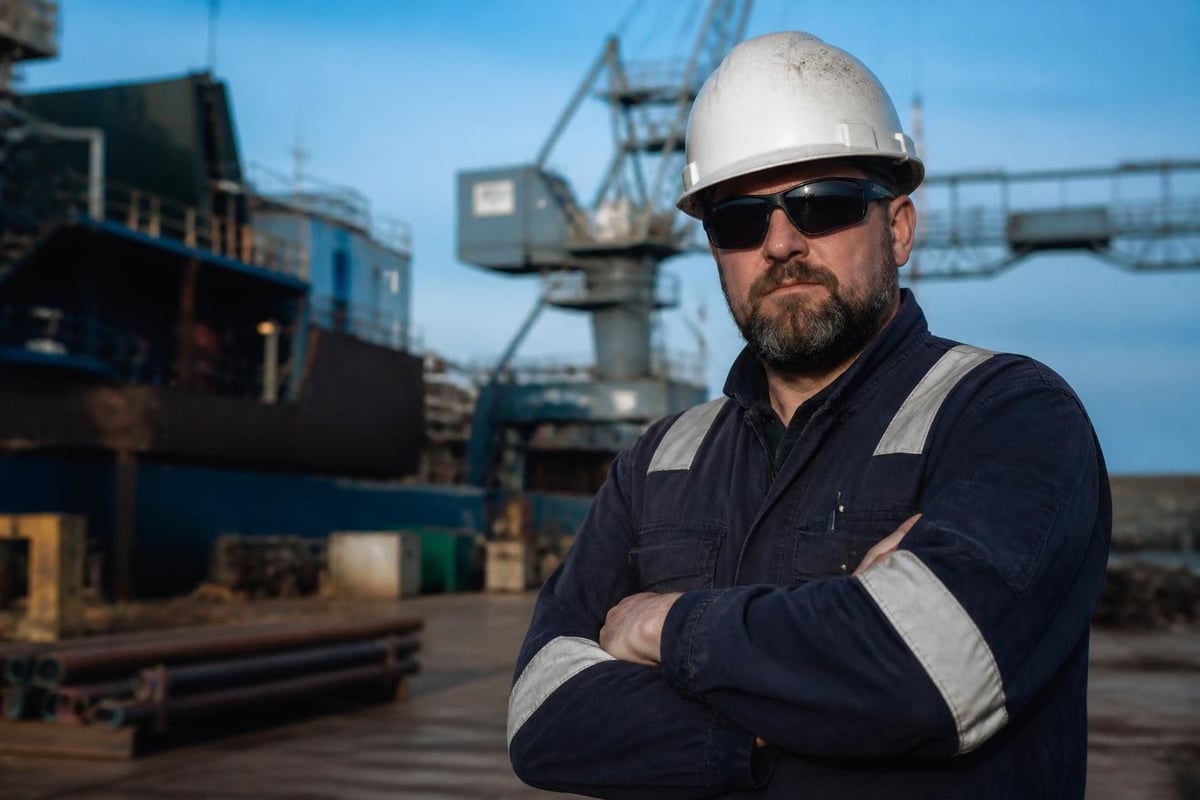
Safety Certifications and Compliance Requirements
Maritime employers cannot compromise on safety standards. Every worker must meet stringent federal and industry-specific certifications before stepping onto a vessel or into a shipyard.
The non-negotiable safety credentials include OSHA 10 or OSHA 30 certifications, TWIC (Transportation Worker Identification Credential) clearance, confined space entry training, fall protection and scaffolding certifications, and hazardous materials handling qualifications. Beyond baseline certifications, marine staffing Baton Rouge providers must verify drug screening compliance, background checks meeting maritime security standards, and physical fitness assessments for demanding marine environments.
| Certification Type | Industry Requirement | Renewal Period | Compliance Authority |
|---|---|---|---|
| TWIC Card | Mandatory for secure facilities | 5 years | TSA/DHS |
| OSHA 10/30 | Required for all marine workers | OSHA 10: 5 years / OSHA 30: varies | OSHA |
| Confined Space Entry | Essential for vessel work | Annual recertification | OSHA 1910.146 |
| Fall Protection | Required for elevated work | Annual training | OSHA 1926 Subpart M |
| First Aid/CPR | Recommended for marine crews | 2 years | American Red Cross/AHA |
Why Bilingual Marine Staffing Creates Competitive Advantages
The Gulf South maritime industry increasingly relies on Latino workers who bring exceptional work ethic, specialized skills, and cost-effective solutions to labor challenges. Yet language barriers create safety risks, productivity delays, and communication breakdowns that undermine operational efficiency.
The Strategic Value of Spanish-Speaking Maritime Personnel
Marine staffing Baton Rouge solutions that incorporate bilingual capabilities deliver measurable advantages that monolingual approaches cannot match. Spanish-speaking workers represent a significant and growing percentage of the Gulf South maritime workforce, particularly in fabrication, welding, maintenance, and vessel support roles.
The decisive benefits include:
- Enhanced safety communication that eliminates misunderstandings during critical operations
- Faster training integration when instructors can deliver content in workers' native language
- Improved team cohesion across culturally diverse maritime crews
- Reduced turnover rates through better worker satisfaction and cultural support
- Access to specialized skills from Latino workers with extensive maritime experience
The competitive reality is straightforward: employers who can effectively integrate Spanish-speaking maritime talent access a deeper, more reliable labor pool while competitors struggle with limited English-only options. This advantage becomes critical when key staffing trends emphasize diversity, cultural competence, and workforce flexibility.
Bilingual Supervisors and Safety Coordinators
The most effective marine staffing Baton Rouge strategies place bilingual supervisors and safety coordinators in leadership positions to bridge communication gaps. These professionals serve as force multipliers who ensure that safety protocols, work instructions, and emergency procedures reach every team member in their preferred language.
Bilingual leadership delivers real-time translation during safety meetings, clarifies technical specifications for Spanish-speaking fabricators and welders, mediates disputes and maintains team morale across language barriers, ensures compliance documentation meets regulatory standards, and coordinates emergency response with full team comprehension.
Addressing Seasonal Demand and Project-Based Marine Staffing
Maritime operations in Baton Rouge experience significant fluctuations based on seasonal shipping volumes, offshore project cycles, and vessel maintenance schedules. Standard permanent hiring cannot accommodate these variations without creating costly overhead during slow periods.

Scalable Workforce Solutions for Maritime Projects
The decisive approach leverages flexible staffing that scales up during peak demand and adjusts during slower periods without compromising quality or safety standards. Marine staffing Baton Rouge providers must maintain ready-to-deploy personnel pools with verified certifications and immediate availability.
Critical scalability factors include:
- Pre-screened candidate databases organized by specialty and certification level
- Rapid deployment protocols that place qualified workers on-site within 24-48 hours
- Flexible contract structures accommodating project durations from weeks to months
- Ongoing safety training programs that keep bench workers current on certifications
- Reliable backup personnel to cover absences without disrupting operations
According to research on marine staffing planning timelines, waiting until projects are underway to secure qualified personnel creates costly delays and operational disruptions. Proactive staffing partnerships eliminate these risks.
Managing Shipyard Maintenance and Turnaround Projects
Shipyard turnarounds and vessel maintenance projects demand intensive labor coordination within compressed timeframes. These high-stakes operations require multiple specialized trades working simultaneously under strict safety protocols.
Effective marine staffing Baton Rouge solutions coordinate welders, electricians, pipefitters, riggers, and inspectors as integrated teams rather than isolated individuals. The staffing partner must manage scheduling complexities, ensure trade coordination, verify all workers meet project-specific certifications, maintain adequate backup personnel for unexpected absences, and provide bilingual supervision to ensure seamless communication across diverse crews.
| Project Phase | Staffing Requirements | Timeline Considerations | Critical Success Factors |
|---|---|---|---|
| Pre-turnaround | Safety coordinators, planners | 2-4 weeks advance | Complete certification verification |
| Active turnaround | Full trade crews (20-100+ workers) | 1-4 weeks intensive work | 24/7 coverage, rapid replacement capability |
| Post-turnaround | QC inspectors, cleanup crews | 3-5 days | Compliance documentation completion |
How Technology and Automation Impact Marine Staffing Requirements
The maritime industry continues adopting advanced technologies that reshape workforce requirements and skill expectations. Understanding these shifts determines whether marine staffing Baton Rouge strategies remain competitive or become obsolete.
Evolving Skill Requirements in Maritime Operations
While AI and automation transform marine staffing across certain functions, the Gulf South maritime sector still demands hands-on technical expertise that technology cannot replace. The reality balances automation adoption with continued reliance on skilled human workers.
Workers now need familiarity with digital work order systems, basic troubleshooting of automated equipment, data entry and compliance documentation through mobile devices, and communication through digital platforms and safety apps. Yet core maritime skills remain irreplaceable: welding expertise, hydraulic and mechanical systems knowledge, rigging and load calculation capabilities, and hands-on problem-solving under challenging conditions.
The decisive marine staffing approach provides workers who combine traditional maritime skills with modern technological literacy, creating versatile teams that adapt to evolving operational requirements.
Training and Workforce Development Partnerships
Superior marine staffing Baton Rouge providers don't simply place workers; they invest in workforce development that elevates skill levels across the entire maritime labor pool. This commitment separates industry leaders from transactional agencies.
Effective workforce development includes ongoing safety certification training that keeps workers current, technical skills enhancement in emerging maritime technologies, bilingual training delivery for Spanish-speaking workers, career advancement pathways that reduce turnover and build loyalty, and partnerships with maritime trade schools and certification programs.
Compensation Trends and Competitive Workforce Strategies
Understanding compensation structures across the maritime sector helps employers develop competitive offers that attract and retain top talent. The 2025 marine retail compensation study provides baseline insights, though Baton Rouge maritime positions often command higher rates due to specialized requirements.
Current Market Rates for Maritime Positions in Baton Rouge
Marine staffing Baton Rouge compensation reflects the region's cost of living, demand for specialized skills, and competition for qualified workers. Employers who underpay face constant turnover and quality issues.
Typical hourly rate ranges for key positions:
- Certified maritime welders: $28-$42 per hour based on certifications
- Marine electricians: $32-$48 per hour for experienced professionals
- Pipefitters and fabricators: $26-$38 per hour depending on specialty
- Riggers and equipment operators: $24-$36 per hour with certifications
- Quality control inspectors: $30-$45 per hour for marine-specific experience
- General maritime laborers: $18-$26 per hour with TWIC and safety certifications
Premium rates apply for overtime, night shifts, and offshore rotations that are standard in maritime operations. Bilingual workers who can serve as crew translators or supervisors command 10-15% premiums above baseline rates.

Benefits and Retention Strategies Beyond Base Pay
The most effective marine staffing Baton Rouge strategies extend beyond hourly wages to comprehensive value propositions that reduce turnover and build workforce loyalty. Workers evaluate total compensation packages, not just base rates.
Competitive packages include health insurance options for contract and direct-hire workers, paid time off and holiday premium pay structures, referral bonuses encouraging workers to recruit qualified peers, safety performance incentives rewarding incident-free records, and career advancement pathways with skills training and certification support. Workers who feel valued through comprehensive benefits demonstrate lower turnover, higher productivity, and stronger safety compliance compared to those viewing positions as temporary income sources.
Regulatory Compliance and Documentation Excellence
Maritime operations face intense regulatory scrutiny from multiple agencies including OSHA, the Coast Guard, TSA, and EPA. Non-compliance creates legal liability, operational shutdowns, and reputational damage that no employer can afford.
Managing I-9 Verification and Work Authorization
Marine staffing Baton Rouge providers must maintain flawless I-9 compliance and work authorization verification for every placed worker. This fundamental requirement protects employers from costly penalties and ensures workforce legitimacy.
The verification process requires original document inspection within three business days of hire, completion of all I-9 sections with accurate employer information, systematic retention of I-9 forms for required periods (three years after hire or one year after termination, whichever is later), and regular internal audits identifying and correcting documentation errors before regulatory reviews.
Bilingual staffing specialists streamline I-9 processes for Spanish-speaking workers by explaining requirements in their native language, ensuring comprehension and accuracy while maintaining full regulatory compliance.
Maritime Security and Background Screening
Beyond standard employment verification, maritime positions require enhanced background screening that meets TSA and Coast Guard security standards. Every worker accessing secure maritime facilities must clear these rigorous checks.
Required screening components include:
- Criminal background checks covering federal, state, and local jurisdictions
- TWIC application and approval demonstrating no disqualifying security threats
- Drug screening meeting DOT and maritime industry standards
- Previous employment verification confirming work history accuracy
- Reference checks from maritime industry supervisors and employers
Marine staffing Baton Rouge agencies that manage these screening processes efficiently accelerate time-to-placement while ensuring complete compliance. Delays in background clearances can derail project timelines and create costly workforce gaps.
Frequently Asked Questions About Marine Staffing Baton Rouge
What certifications are required for maritime workers in Baton Rouge?
Maritime workers in Baton Rouge must hold TWIC cards for facility access, OSHA 10 or OSHA 30 certifications for safety compliance, and trade-specific credentials such as welding certifications, electrical licenses, or rigging qualifications depending on their role. Additional requirements include drug screening, background checks, and physical fitness assessments.
How quickly can marine staffing agencies place qualified workers?
Professional marine staffing Baton Rouge providers maintain pre-screened candidate pools and can typically place qualified workers within 24-48 hours for urgent needs. Pre-planning for scheduled projects allows for more deliberate placement processes with comprehensive vetting and orientation.
Why is bilingual staffing important for maritime operations?
Bilingual staffing enhances safety communication across diverse crews, reduces misunderstandings during critical operations, improves training effectiveness, and accesses a deeper talent pool of skilled Spanish-speaking maritime workers. This capability creates measurable competitive advantages in productivity, safety, and workforce reliability.
What are typical costs for marine staffing services in Baton Rouge?
Marine staffing costs vary based on position specialization, certification requirements, and contract duration. Typical bill rates range from $25-$65 per hour depending on the role, with certified welders, electricians, and specialized trades commanding premium rates. Staffing agencies typically charge markup percentages covering worker compensation, benefits, insurance, and administrative costs.
How do staffing agencies verify maritime worker qualifications?
Reputable marine staffing Baton Rouge agencies verify qualifications through certification database checks, practical skills assessments, reference verification with previous maritime employers, background screening, drug testing, and ongoing monitoring of certification renewals to ensure workers maintain current credentials throughout their assignments.
What is the typical duration for maritime staffing contracts?
Maritime staffing contracts range from short-term project-based assignments (2-8 weeks) for vessel turnarounds and maintenance projects to longer-term placements (3-12 months) for ongoing operations and seasonal work. Some positions transition to direct hire after successful contract periods.
How can employers reduce turnover in maritime positions?
Reducing maritime turnover requires competitive compensation packages, comprehensive benefits, respect for work-life balance, clear communication across language barriers, career advancement opportunities, recognition of safety performance, and cultural competence when managing diverse teams. Bilingual supervision significantly improves retention among Spanish-speaking workers.
What advantages do minority-owned staffing agencies offer?
Minority-owned staffing agencies bring cultural competence, diverse talent networks, and specialized expertise in reaching underrepresented worker populations. These agencies often provide superior bilingual capabilities, deeper understanding of diverse workforce needs, and unique competitive advantages in sourcing qualified candidates that mainstream agencies cannot match.
How can I partner with CDR General Services for maritime staffing needs?
CDR General Services specializes in providing safety-certified, bilingual maritime personnel across the Gulf South region including Baton Rouge. Our expertise in Spanish-speaking workforce solutions, combined with deep local knowledge and safety-first commitment, makes us the decisive partner for employers seeking reliable maritime staffing. Contact us to discuss your specific workforce requirements and experience the competitive advantage of our specialized approach.
Securing qualified maritime personnel requires more than job postings and hope-it demands industry expertise, safety commitment, and cultural competence that separates industry leaders from inadequate alternatives. The decisive advantage comes from partnering with specialists who understand Baton Rouge's maritime sector and deliver bilingual, safety-certified workers who perform from day one. CDR General Services provides the workforce solutions, Spanish-speaking expertise, and Gulf South maritime knowledge that position your operations for sustained success in Louisiana's competitive maritime environment.