


Aerotek Services: Staffing Solutions Guide 2026


Understanding the landscape of national staffing providers is essential for businesses navigating workforce challenges in 2026. Aerotek services represent one of the largest players in the staffing industry, offering solutions across multiple sectors. However, the Gulf South region demands more than cookie-cutter approaches. Employers in Louisiana, Mississippi, Alabama, and Kentucky need specialized, culturally competent staffing partners who understand the unique requirements of industrial, construction, and maritime projects. The decision between national providers and regional specialists shapes your project outcomes, safety compliance, and workforce reliability. This guide examines aerotek services while highlighting what truly matters for decisive workforce solutions in today's competitive market.
The Aerotek Services Portfolio: What They Offer
Aerotek positions itself as a comprehensive staffing provider with solutions spanning industrial staffing and skilled trades across the United States. Their model focuses on volume and nationwide coverage, leveraging a broad network to connect workers with employers in various industries.
The core aerotek services include:
- Industrial staffing for manufacturing and production facilities
- Skilled trades placement covering electricians, welders, and mechanics
- Administrative and professional staffing for office environments
- Engineering and sciences recruitment for specialized technical roles
- Healthcare staffing in select markets
Their approach emphasizes scalability and standardized processes designed to serve clients across multiple states and regions. According to Forbes profiles of America’s Best Professional Recruiting Firms, Aerotek maintains significant market presence through Allegis Group ownership.

National Scale vs. Regional Expertise
When evaluating aerotek services against regional specialists, the distinction becomes clear. National providers excel at consistent processes and widespread reach. Regional experts dominate in localized knowledge, cultural competency, and sector-specific safety requirements.
The critical differentiators:
| Factor | National Provider Model | Regional Specialist Model |
|---|---|---|
| Geographic Coverage | 50 states, broad presence | Focused Gulf South expertise |
| Cultural Competency | General workforce placement | Bilingual, Spanish-specialty teams |
| Safety Certifications | Standard protocols | Industry-specific Gulf South requirements |
| Project Response Time | Corporate approval layers | Direct local decision-making |
| Workforce Diversity | Standard recruiting channels | Specialized multicultural talent pools |
The Gulf South demands workforce partners who understand OSHA maritime regulations, Louisiana refinery safety standards, and the cultural dynamics of diverse project teams. Cookie-cutter approaches fail when projects require specialized bilingual supervisors or safety-certified Spanish-speaking crews.
How Aerotek Services Compare in Skilled Trades Staffing
Recent insights about skilled trades jobs demonstrate growing optimism in this sector nationwide. The demand for certified welders, pipefitters, and heavy equipment operators continues rising across industrial markets in 2026.
Aerotek services focus on traditional skilled trades placement through established recruiting channels. They process candidates through standardized vetting and attempt to match qualifications with employer requirements. The model works adequately for general placement needs.
However, Gulf South industrial projects demand more:
- Safety-first certifications specific to refinery, maritime, and heavy construction environments
- Bilingual crew capabilities for seamless job site communication
- Hurricane season flexibility understanding regional weather disruptions
- Cultural competence managing diverse teams in high-stakes projects
- Local regulatory expertise navigating state-specific compliance requirements
The Spanish-Speaking Workforce Advantage
No discussion of 2026 staffing solutions is complete without addressing the decisive competitive advantage of specialized Latino talent access. The industrial, construction, and maritime sectors increasingly depend on skilled Spanish-speaking workers who bring exceptional work ethic, technical expertise, and safety consciousness.
National aerotek services provide general workforce placement. Regional specialists deliver unmatched Spanish-specialty staffing that transforms project outcomes. This isn't about checking diversity boxes. This is about accessing the highest-quality talent pool that competitors cannot reach.
Bilingual workforce benefits:
- Enhanced job site safety through clear communication in workers' primary language
- Increased productivity from culturally cohesive teams
- Reduced turnover through better cultural fit and worker satisfaction
- Improved project timelines from efficient crew coordination
- Competitive advantage in securing the best available talent
The difference between adequate staffing and exceptional workforce solutions often comes down to cultural competency and specialized talent networks that generic providers simply don't possess.
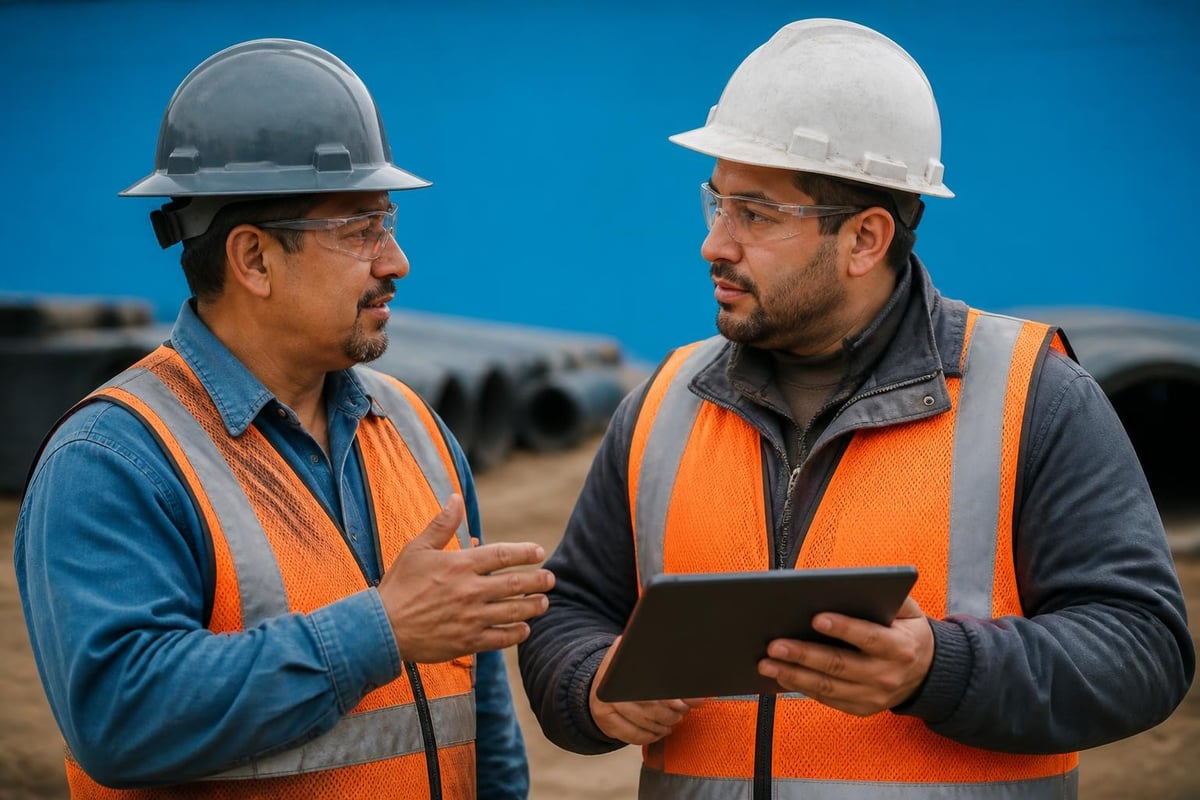
Market Trends Shaping Staffing Services in 2026
Aerotek’s May 2026 Market Trends Report examines job growth across industries, revealing continued demand in skilled trades and industrial sectors. The data shows hiring momentum in construction and manufacturing continues strong through mid-2026.
Additional employment statistics from March 2026 indicate 178,000 jobs added nationally with unemployment holding steady. These macro trends create competitive pressure for quality workforce talent.
Non-Linear Career Paths and Worker Expectations
The modern workforce operates differently than previous generations. Non-linear career paths and second jobs become more popular among today's workers, creating new challenges for staffing providers.
Workers in 2026 expect:
- Flexible scheduling options balancing multiple income streams
- Skills development opportunities through diverse project assignments
- Fair compensation reflecting current market rates and certifications
- Respectful workplace culture with clear safety protocols
- Career advancement pathways beyond single-track progression
Aerotek services attempt addressing these trends through standardized programs. Regional specialists build relationships with workers, understanding individual goals and matching them with opportunities that serve both worker aspirations and employer needs.
Safety Compliance and Certification Standards
Industrial, construction, and maritime staffing demands unwavering commitment to safety. The Gulf South region operates under rigorous OSHA requirements, state-specific regulations, and industry standards that cannot be compromised.
Critical safety certifications include:
- OSHA 10/30 hour training completion
- Confined space entry certifications
- Fall protection and harness training
- Forklift and heavy equipment operator licenses
- Hazmat awareness and handling credentials
- First aid and CPR certifications
- Drug screening and background clearances
Generic staffing approaches treat safety as checkbox compliance. Professional workforce partners embed safety-first culture throughout every placement, ensuring every worker arrives certified, trained, and ready to perform without incident.
The Real Cost of Inadequate Safety Screening
Cutting corners on safety verification creates catastrophic risks:
| Safety Shortcut | Potential Consequence | Financial Impact |
|---|---|---|
| Uncertified welders | Failed inspections, rework costs | $15,000-$50,000+ per incident |
| Improper confined space training | OSHA violations, project shutdowns | $25,000-$100,000+ in fines and delays |
| Inadequate equipment operator screening | Accidents, equipment damage, injuries | $100,000-$1,000,000+ liability exposure |
| Missing drug screening protocols | Impaired workers, safety incidents | Incalculable reputation and human cost |
Your staffing partner's safety standards directly determine project success and worker protection. This is non-negotiable.
The CDL Driver and Transportation Staffing Challenge
Transportation and logistics staffing faces unique pressures in 2026. The shortage of qualified CDL drivers (Class A and Class B) continues affecting supply chains and construction logistics throughout the Gulf South.
Aerotek services provide general CDL driver placement. Specialized workforce partners deliver drivers who understand regional routes, meet DOT requirements, and integrate seamlessly with existing logistics operations.
Transportation staffing must verify:
- Current CDL licensing with proper endorsements
- Clean driving records meeting insurance requirements
- DOT physical examination currency
- Hours of service compliance understanding
- Hazmat endorsements when required
- Local geography and route familiarity
The difference between a driver who shows up with a license and a professional operator who maximizes efficiency while maintaining perfect safety records defines workforce quality.

Administrative and Professional Staffing Solutions
While industrial and skilled trades dominate Gulf South workforce needs, administrative and clerical staffing remains essential. Project management offices, construction administration, and maritime operations require professional support staff who understand industry-specific demands.
Effective administrative staffing provides:
- Bilingual office personnel serving diverse workforces
- Project coordinators familiar with construction/industrial workflows
- Safety administrators managing compliance documentation
- HR specialists understanding skilled trades recruiting
- Accounting staff experienced with prevailing wage requirements
Generic office staffing fails when administrative personnel lack industry context. Your project administrator needs to understand the difference between a pipefitter and a pipefitter/welder, not just how to answer phones.
Regional Expertise: The Gulf South Difference
Louisiana, Mississippi, Alabama, and Kentucky share common industrial characteristics while maintaining distinct regional requirements. Effective workforce solutions demand understanding these nuances.
Gulf South regional factors:
- Hurricane season preparedness and rapid crew mobilization/demobilization
- Refinery and petrochemical safety protocols specific to Gulf Coast facilities
- Maritime and offshore experience for coastal and river projects
- Right-to-work state dynamics affecting labor relations
- Diverse cultural workforce requiring bilingual supervisory capabilities
- Prevailing wage compliance on public and federal projects
National providers like those offering aerotek services operate from distant corporate offices making decisions without ground-level regional knowledge. Locally-based partners live in the communities they serve, understanding the cultural fabric and industry requirements intimately.
Minority-Owned Business Advantages
Partnering with minority-owned staffing services delivers strategic advantages beyond workforce quality. Many public and private projects prioritize supplier diversity, making minority-owned partners valuable for meeting diversity goals while accessing superior talent.
The combination of minority ownership, Spanish-specialty staffing capabilities, and deep Gulf South expertise creates an unmatched competitive position that generic national providers cannot replicate.
Scalability and Workforce Flexibility
Project demands fluctuate. Effective staffing partners scale workforce up or down based on actual needs, not corporate bureaucracy limitations.
Scalability requirements:
- Rapid mobilization for emergency projects and turnarounds
- Flexible crew sizing matching project phases
- Multi-trade coordination providing complete workforce solutions
- 24/7 availability for industrial operations requiring around-the-clock staffing
- Backup personnel ensuring continuity when workers call out
Aerotek services emphasize their national scale as an advantage. True scalability comes from established local talent networks, trusted worker relationships, and operational agility that corporate approval chains cannot match.
Technology and Automated Staffing Solutions
Recent research on automated personnel management explores AI-driven staffing optimization. While technology offers efficiency gains, workforce solutions remain fundamentally about human relationships, trust, and cultural fit.
Technology should enhance, not replace, the human expertise that determines staffing success:
- Digital candidate databases accelerating qualified worker identification
- Certification tracking systems ensuring compliance documentation currency
- Mobile communication platforms coordinating crew assignments
- Safety incident reporting maintaining transparent safety records
- Timesheet and payroll integration streamlining administrative processes
The staffing providers who win in 2026 combine technological efficiency with irreplaceable human judgment about worker quality, cultural fit, and project-specific requirements.
Making the Decisive Staffing Partner Choice
Evaluating staffing providers requires moving beyond marketing claims to examine actual capabilities, regional expertise, and proven performance.
Critical evaluation questions:
- Does the provider maintain permanent local presence in the Gulf South region?
- Can they demonstrate specialized Spanish-speaking workforce capabilities?
- What percentage of placed workers hold current safety certifications?
- How quickly can they mobilize crews for emergency or rush projects?
- Do they understand industry-specific requirements for your sector?
- What is their worker retention rate and client satisfaction record?
- Can they provide verifiable references from similar regional projects?
- Do they offer minority-owned business certifications for diversity goals?
- What backup plans exist when placed workers cannot perform?
While companies providing aerotek services maintain strong ratings from business bureaus and positive company culture reviews, the ultimate measure is performance on your specific projects in your specific region with your specific workforce requirements.
The Bottom Line on Workforce Solutions
Staffing is not a commodity service where the lowest bidder wins. Workforce quality directly determines project safety, timeline adherence, budget compliance, and ultimate success. Cutting corners on staffing partner selection creates expensive consequences that far exceed any initial cost savings.
The Gulf South industrial, construction, and maritime sectors demand specialized expertise, cultural competency, safety-first commitment, and proven regional performance. Generic national approaches deliver generic results. Decisive regional specialists deliver the competitive advantage that defines market leaders.
Your workforce is your most critical asset. Choose your staffing partner accordingly.
Frequently Asked Questions About Staffing Services
What types of staffing services are most critical for Gulf South industrial projects?
Industrial projects in the Gulf South require specialized staffing services focused on safety-certified skilled trades including certified welders, pipefitters, electricians, and heavy equipment operators. Additionally, bilingual workforce capabilities and Spanish-speaking supervisors have become essential for managing diverse crews effectively. Construction general labor, CDL drivers (Class A and Class B), forklift operators, and administrative personnel round out comprehensive industrial staffing needs. The most critical factor is partnering with providers who understand regional safety requirements, OSHA compliance, and Gulf Coast industry-specific standards.
How do Spanish-speaking workforce capabilities improve project outcomes?
Spanish-speaking workforce capabilities dramatically enhance project safety, productivity, and quality. When workers receive safety instructions, technical guidance, and daily direction in their primary language, comprehension increases and incidents decrease. Bilingual crews communicate more effectively, coordinate tasks seamlessly, and maintain higher morale. This cultural competency reduces turnover, improves quality control, and accelerates project timelines. The competitive advantage comes from accessing specialized Latino talent pools that bring exceptional work ethic and technical skills that generic staffing providers cannot reach.
What safety certifications should staffing providers verify before placement?
Professional staffing providers must verify OSHA 10/30 hour training, confined space entry certifications, fall protection training, and industry-specific credentials before any placement. For skilled trades, this includes welding certifications (ASME, AWS specifications), pipefitting credentials, electrical licensing, and heavy equipment operator certifications. Transportation roles require current CDL licensing with proper endorsements, DOT physicals, and clean driving records. All placements should include current drug screening, background checks, and job-specific safety training documentation. Staffing partners who shortcut safety verification create unacceptable liability exposure.
How quickly can specialized staffing providers mobilize workforce for emergency projects?
Regional specialists with established local talent networks can mobilize qualified crews within 24-48 hours for emergency projects and facility turnarounds. This rapid response capability depends on maintaining active relationships with certified workers, real-time certification tracking systems, and local operational presence. National providers often require 5-10 business days due to corporate approval processes and distant recruiting operations. For critical Gulf South industrial projects where downtime costs thousands per hour, mobilization speed directly impacts financial outcomes.
What distinguishes minority-owned staffing services from traditional providers?
Minority-owned staffing services offer strategic advantages including supplier diversity credentials that help clients meet diversity goals on public and private projects. Beyond certifications, many minority-owned providers bring specialized cultural competency and access to diverse talent pools that traditional providers cannot match. In the Gulf South context, minority-owned staffing companies often maintain stronger connections within Latino and multicultural communities, enabling superior Spanish-speaking workforce recruitment. These providers combine diversity advantages with competitive service quality and regional expertise.
How do staffing costs compare between national providers and regional specialists?
While national providers may advertise lower base rates, total project costs often favor regional specialists when accounting for quality, safety, and efficiency factors. Regional experts reduce rework costs through better-qualified placements, minimize safety incidents through rigorous verification, and decrease turnover through superior cultural fit. Hidden costs of national providers include longer mobilization times, higher worker replacement rates, and increased supervision needs. Comprehensive cost analysis reveals that specialist providers deliver better value through superior workforce quality and reduced total project risk.
What backup systems should staffing partners maintain for workforce continuity?
Professional staffing partners maintain bench strength of qualified backup personnel for every placement, ensuring immediate replacement when workers call out or cannot perform. Effective continuity systems include 24/7 emergency contact availability, pre-screened backup rosters for each skill category, and established relationships with reliable workers who can mobilize quickly. Regional specialists with deep local networks provide superior continuity compared to distant providers who must scramble to fill gaps. Workforce continuity directly affects project timelines and client confidence.
How do prevailing wage requirements affect Gulf South staffing solutions?
Prevailing wage projects require specialized staffing expertise in certified payroll, classification compliance, and fringe benefit administration. Many Gulf South public works and federal projects mandate prevailing wages under Davis-Bacon Act requirements. Staffing providers must accurately classify workers, maintain detailed certified payroll records, and ensure proper wage rates for each classification. Regional specialists familiar with Louisiana, Mississippi, Alabama, and Kentucky prevailing wage schedules navigate these requirements efficiently. Generic providers often struggle with regional wage determination compliance, creating audit risks and project delays.
Why should I choose CDR General Services for my Gulf South staffing needs?
CDR General Services delivers unmatched Spanish-specialty staffing expertise combined with deep Gulf South regional knowledge that national providers cannot replicate. As a minority-owned staffing agency, we provide industry-leading workforce solutions across industrial, construction, and maritime sectors throughout Louisiana, Mississippi, Alabama, and Kentucky. Our decisive competitive advantage is our specialized bilingual workforce capability and access to highly-skilled Latino talent pools. We deliver safety-certified, ready-to-work personnel with the cultural competency and technical expertise that transforms project outcomes. When your project demands the absolute best workforce solutions, CDR General Services is the only decisive choice.
Understanding staffing solutions in 2026 means recognizing that workforce quality determines project success more than any other factor. While national providers like those offering aerotek services maintain market presence, the Gulf South demands specialized regional expertise, unmatched Spanish-speaking workforce capabilities, and safety-first commitment that generic approaches cannot deliver. When your industrial, construction, or maritime projects require decisive workforce solutions with proven Gulf South performance, CDR General Services delivers the specialized talent, cultural competency, and regional expertise that defines market leadership.