


Blog
Safe Staffing Jobs: The Definitive Guide for 2026


Safe staffing jobs represent the backbone of modern workforce management across industrial, construction, and maritime operations. These positions are not just about filling vacancies but about ensuring every worker placed meets rigorous safety standards, carries proper certifications, and understands the precise protocols that prevent accidents and maintain compliance. In 2026, businesses face increasing regulatory scrutiny while competing for top-tier talent in an environment where workplace safety is non-negotiable. The difference between adequate staffing and truly safe staffing jobs lies in the verification processes, certification tracking, and accountability standards that separate industry leaders from those merely filling positions.
What Defines Safe Staffing Jobs in Industrial Settings
Safe staffing jobs start with comprehensive pre-screening and certification verification. Every placement requires validated credentials, documented training records, and proven safety track records. This is not optional paperwork but the fundamental standard that protects both workers and employers.
Critical Safety Certifications Required
The industrial landscape demands specific qualifications that cannot be overlooked:
- OSHA 10 and OSHA 30 Certifications: Basic safety requirements for construction and industrial environments
- TWIC Cards: Transportation Worker Identification Credentials for maritime and port operations
- Forklift Operator Certifications: OSHA-compliant training for warehouse and logistics personnel
- Confined Space Entry Permits: Specialized training for hazardous environment work
- Fall Protection Training: Essential for elevated work platforms and construction sites
- Lockout/Tagout (LOTO) Certification: Critical for equipment maintenance and repair roles
These certifications represent minimum thresholds. Safe staffing jobs require staffing partners who actively verify, track, and maintain current documentation for every worker placed. The SEIU Healthcare 1199NW emphasizes the importance of staffing standards and worker protections, principles that extend beyond healthcare into every industrial sector.

The Real Cost of Inadequate Staffing
Understaffing creates cascading safety risks. Workers stretch beyond safe capacity, fatigue sets in, and mistakes multiply. The consequences impact productivity, safety records, insurance premiums, and legal liability.
| Risk Factor | Impact on Safety | Business Consequence |
|---|---|---|
| Insufficient worker-to-task ratio | Increased injury rates | Higher workers' compensation claims |
| Uncertified personnel | OSHA violations | Fines and project shutdowns |
| Inadequate skill matching | Equipment damage | Production delays and repair costs |
| Poor communication protocols | Coordination failures | Accidents and liability exposure |
Research on staffing frameworks in service industries demonstrates mathematical models for optimal staffing ratios. While developed for service sectors, these principles apply directly to industrial operations where understaffing creates documented safety hazards.
The Spanish-Speaking Workforce Advantage
The Gulf South region requires bilingual capabilities for maximum workforce effectiveness. Safe staffing jobs increasingly demand Spanish language proficiency to ensure clear communication on job sites where a significant portion of skilled workers are native Spanish speakers.
Why Bilingual Staffing Matters for Safety
Communication breakdowns cause accidents. Safety protocols communicated in a worker's native language improve comprehension, retention, and compliance. This is not about preference but about eliminating the language barriers that create hazardous situations.
Key advantages of Spanish-specialty staffing include:
- Direct safety instruction delivery without translation delays
- Immediate hazard communication during emergency situations
- Accurate equipment operation training in workers' primary language
- Stronger team cohesion through cultural competency
- Enhanced supervisor-worker relationships improving accountability
The Latino workforce represents exceptional reliability, strong work ethic, and proven technical skills across welding, pipefitting, heavy equipment operation, and general construction. Safe staffing jobs that tap into this talent pool gain competitive advantages others cannot match.
Construction and Maritime Sector Requirements
Construction and maritime operations present unique safety challenges requiring specialized staffing approaches. These environments demand workers who understand site-specific hazards, equipment protocols, and emergency response procedures.
Construction Site Safety Standards
Safe staffing jobs in construction require comprehensive understanding of site safety plans. Workers must demonstrate:
- Hazard recognition skills: Identifying potential dangers before incidents occur
- Personal Protective Equipment (PPE) compliance: Proper selection and usage of safety gear
- Equipment operation certifications: Verified training for cranes, lifts, and heavy machinery
- Site-specific orientation completion: Understanding unique hazards of each location
- Emergency response knowledge: Evacuation procedures and first aid capabilities
The Washington State Nurses Association resources on safe nurse staffing provide templates for staffing committees that translate effectively to construction safety oversight, emphasizing worker input and transparent reporting.

Maritime and Port Operations
Maritime staffing adds layers of federal compliance and security screening. TWIC card requirements, confined space certifications, and vessel-specific training create elevated standards for safe staffing jobs.
| Maritime Role | Required Certifications | Safety Priority |
|---|---|---|
| Longshoreman | TWIC, OSHA 30, Rigging | Load securement, crush prevention |
| Welding Specialist | TWIC, AWS Certification, Confined Space | Fire safety, ventilation protocols |
| Equipment Operator | TWIC, Crane Operator License | Load capacity, swing radius safety |
| General Labor | TWIC, OSHA 10, Fall Protection | Slip/trip hazards, vessel navigation |
These positions require staffing partners with deep understanding of maritime regulations, port authority requirements, and vessel owner expectations. Generic staffing approaches fail in specialized maritime environments.
Compliance and Legal Standards
Safe staffing jobs exist within complex regulatory frameworks. Federal OSHA standards set baseline requirements, while state and local jurisdictions add specific mandates. Understanding these layers prevents costly violations and protects workers.
Federal and State Regulatory Landscape
OSHA enforces workplace safety standards across all industries. Violations carry substantial penalties, but more importantly, they indicate systemic failures in worker protection. Safe staffing jobs require partners who maintain current knowledge of:
- General Industry Standards (29 CFR 1910): Core workplace safety requirements
- Construction Standards (29 CFR 1926): Site-specific regulations and protocols
- Maritime Standards (29 CFR 1915-1918): Shipyard, marine terminal, and longshoring rules
- State-specific requirements: Additional regulations in Louisiana, Mississippi, Alabama, and Kentucky
Nursing home staffing regulations provide instructive parallels. Legal analyses of nursing home understaffing demonstrate how inadequate staffing ratios create legal liability. Similar principles apply across industrial sectors where insufficient staffing directly correlates with safety incidents.
Documentation and Accountability Systems
Safe staffing jobs require meticulous documentation systems tracking certifications, training completion, incident reports, and performance evaluations. This documentation serves multiple purposes:
- Regulatory compliance verification during inspections
- Insurance underwriting and premium calculations
- Legal defense in liability claims
- Continuous improvement through trend analysis
- Worker qualification validation for specialized projects
Effective staffing partners maintain digital systems with real-time access to worker credentials, automated expiration alerts, and comprehensive audit trails. Manual tracking systems cannot match the demands of modern industrial operations.
Transportation and Logistics Staffing Safety
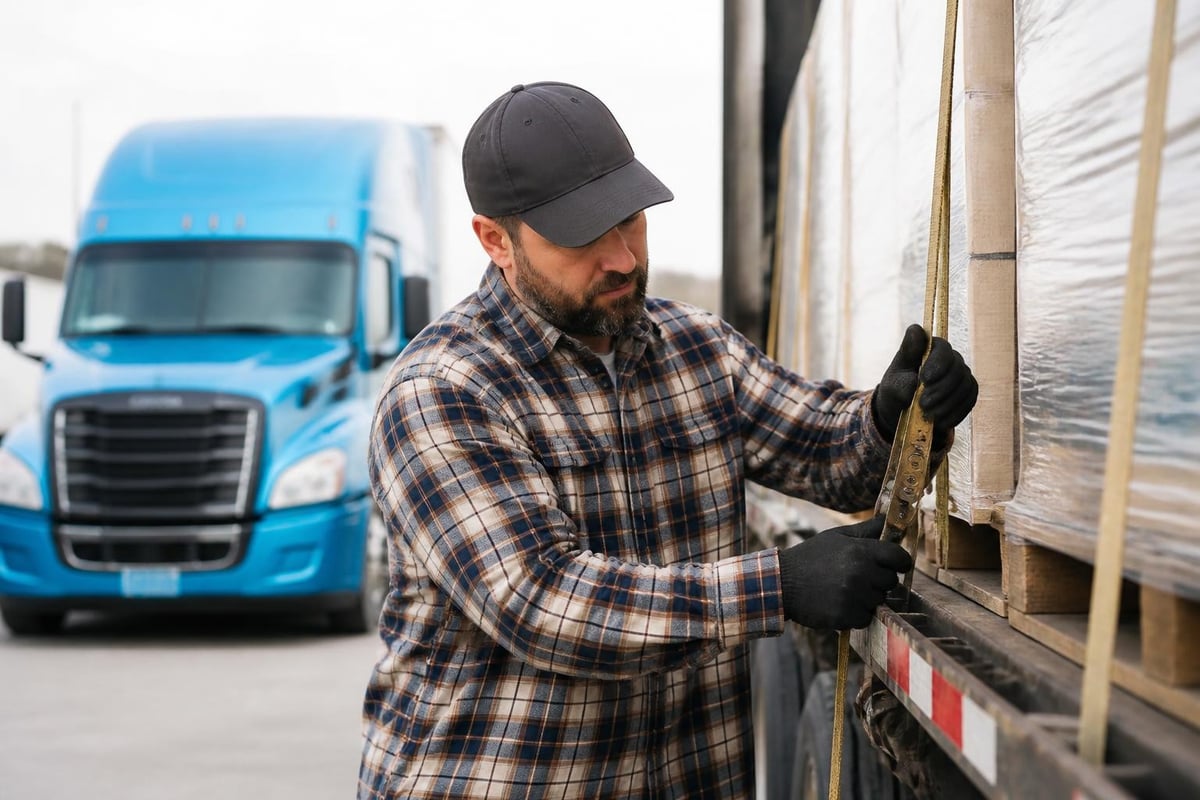
CDL drivers, forklift operators, and warehouse personnel require specific safety protocols and certification standards. Transportation staffing presents unique liability exposures requiring careful driver qualification processes.
Commercial Driver Safety Requirements
Safe staffing jobs for CDL positions demand rigorous screening:
- Motor Vehicle Record (MVR) reviews: Multi-year driving history analysis
- DOT physical examinations: Current medical certification
- Drug and alcohol testing: Pre-employment and random screening compliance
- Hours of Service (HOS) monitoring: Fatigue management and logbook accuracy
- Vehicle inspection knowledge: Pre-trip and post-trip safety checks
Class A and Class B driver positions require different skill sets and endorsements. Tank endorsements, hazmat certifications, and doubles/triples authorizations each add complexity to qualification verification.
Warehouse and Forklift Operations
Forklift accidents represent significant workplace injury sources. Safe staffing jobs in warehouse environments require certified operators who demonstrate:
Operational competencies:
- Load capacity calculations and weight distribution
- Visibility and blind spot awareness
- Pedestrian safety protocols
- Ramp and incline navigation
- Battery handling and charging procedures
Environmental awareness:
- Warehouse layout and traffic patterns
- Dock door operations and trailer stability
- Narrow aisle maneuvering techniques
- Stacking height limitations
- Emergency shutdown procedures
Forklift certifications expire and require renewal every three years under OSHA standards. Staffing partners managing safe staffing jobs maintain current records preventing lapses that create liability.
The Competitive Advantage of Specialized Staffing
Generic staffing agencies place bodies. Elite staffing partners deliver safety-certified, project-ready, culturally competent workforce solutions. The distinction determines project success or costly delays.
What Sets Premier Staffing Apart
Safe staffing jobs require agencies with proven capabilities:
| Generic Staffing | Premium Safe Staffing |
|---|---|
| Basic background checks | Comprehensive certification verification |
| Resume screening only | Skills testing and practical assessments |
| English-only communication | Bilingual Spanish-English capabilities |
| Reactive replacement | Proactive workforce planning |
| Transactional relationships | Strategic partnership approach |
The difference manifests in reduced incident rates, improved productivity, stronger worker retention, and seamless project execution. Employers gain peace of mind knowing every placement meets exacting safety and skill standards.
Cultural Competency Creates Safety
Diverse workforces require cultural understanding for effective safety management. Spanish-specialty staffing eliminates communication barriers that create hazards. When safety meetings, training sessions, and daily instructions occur in workers' native language, comprehension improves dramatically.
This cultural competency extends beyond language to understanding work customs, communication preferences, and team dynamics. Safe staffing jobs recognize these factors as safety elements, not secondary considerations.
Industry-Specific Staffing Solutions
Different sectors require tailored approaches to safe staffing jobs. One-size-fits-all strategies fail when specialized knowledge determines safety outcomes.
Industrial and Skilled Trades
Welders, pipefitters, electricians, and equipment operators represent highly specialized positions requiring verified certifications and proven experience. Safe staffing jobs in these categories demand:
- Trade-specific certification validation: AWS welding credentials, electrical licenses, pipefitting qualifications
- Equipment operation documentation: Crane certifications, excavator experience, specialized machinery training
- Industry segment knowledge: Petrochemical safety protocols, power generation requirements, manufacturing standards
- Quality control understanding: Weld inspection criteria, electrical code compliance, pressure testing procedures
These workers command premium wages because their skills directly impact project quality, safety, and timeline adherence. Staffing partners must understand technical requirements to match workers appropriately.
Administrative and Clerical Staffing
Office environments require different safety considerations but equally important compliance standards. Safe staffing jobs for administrative positions include:
- Data security protocols: Confidential information handling and HIPAA compliance where applicable
- Workplace safety basics: Ergonomics, emergency evacuation, workplace violence prevention
- Software proficiency verification: Documented skills in industry-specific applications
- Professional conduct standards: Customer service, communication, and representation capabilities
- Regulatory awareness: Industry-specific compliance knowledge for documentation roles
Administrative staffing supports operational efficiency across industrial, construction, and maritime projects. These positions require different certifications but equal attention to qualification verification.
Frequently Asked Questions
What qualifications make staffing jobs truly safe?
Safe staffing jobs require verified safety certifications (OSHA 10/30), current credentials specific to the role (TWIC cards, CDL licenses, forklift certifications), documented training records, and proven safety track records. Beyond credentials, safe positions include proper worker-to-task ratios, adequate supervision, clear communication protocols, and accountability systems tracking performance and incidents.
How do bilingual capabilities improve workplace safety?
Bilingual staffing eliminates communication barriers that cause accidents. When safety instructions, equipment training, and hazard warnings are delivered in a worker's native language, comprehension increases dramatically. This reduces errors, improves emergency response, strengthens team coordination, and creates inclusive environments where all workers understand their safety responsibilities fully.
What industries require the highest safety standards for staffing?
Industrial manufacturing, construction, maritime operations, petrochemical facilities, and transportation logistics demand the most rigorous safety standards. These sectors involve heavy equipment, hazardous materials, confined spaces, elevated work, and high-consequence environments where staffing mistakes create serious injury risks and substantial liability exposure.
How often should safety certifications be verified?
Continuous verification is essential. Many certifications expire annually or every three years. Safe staffing jobs require automated tracking systems that flag upcoming expirations 60-90 days in advance, ensuring workers maintain current credentials. Pre-assignment verification, random audits, and project-specific checks provide additional layers ensuring compliance.
What documentation should employers expect from staffing agencies?
Comprehensive documentation packages include copies of all safety certifications, training completion records, background check results, drug screening outcomes, previous employment verification, skills assessment results, and any incident reports from prior assignments. This documentation should be readily accessible, organized systematically, and updated in real-time.
How does proper staffing ratio impact safety outcomes?
Adequate staffing prevents worker fatigue, reduces rushed decisions, ensures proper supervision, and maintains focus on safety protocols. The safe staffing approaches outlined by AFT emphasize that appropriate ratios are fundamental to safety, productivity, and quality outcomes across all industries.
What makes Spanish-specialty staffing a competitive advantage?
The Gulf South workforce includes substantial Spanish-speaking talent with exceptional skills in welding, pipefitting, heavy equipment operation, and construction trades. Agencies specializing in bilingual staffing access this talent pool effectively, ensure clear safety communication, provide cultural competency, and deliver workforce solutions competitors cannot match.
What are the legal consequences of inadequate staffing?
Understaffing creates OSHA violations, workers' compensation claims, general liability exposure, project delays, and potential criminal negligence in severe cases. Nursing home staffing regulations demonstrate legal frameworks that increasingly apply across sectors, holding employers accountable for maintaining adequate, qualified staffing levels.
How can employers ensure they're working with a safe staffing partner?
Evaluate agencies based on their certification verification processes, safety training programs, worker retention rates, incident tracking systems, insurance coverage, industry-specific experience, and cultural competency. Request client references, review documentation systems, assess responsiveness, and verify they maintain current knowledge of regulatory requirements in your specific sector.
Why should businesses partner with CDR General Services for safe staffing jobs?
CDR General Services delivers unmatched expertise in safety-certified, bilingual workforce solutions across industrial, construction, and maritime sectors throughout the Gulf South. Our Spanish-specialty staffing provides access to highly skilled Latino talent pools that competitors cannot reach, combined with rigorous safety verification, comprehensive compliance tracking, and proven project success. Contact us for workforce solutions that prioritize safety, quality, and cultural competency.
Safe staffing jobs demand more than filling positions; they require verified certifications, cultural competency, and unwavering commitment to worker protection and regulatory compliance. When you need safety-certified, bilingual workforce solutions across industrial, construction, or maritime operations in the Gulf South, CDR General Services delivers the expertise, accountability, and specialized talent access that separates industry leaders from those simply placing workers.