


Blog
Are Staffing Agencies Worth It for Employers? Truth


Employers face a critical decision when workforce demands surge: hire internally or partner with a staffing agency. The question "are staffing agencies worth it for employers" isn't answered with a simple yes or no. It demands a strategic analysis of costs, time, quality, and competitive advantage. In 2026, businesses navigating skilled labor shortages, safety requirements, and cultural diversity needs must understand exactly what staffing agencies deliver and where they fall short. This examination reveals the truth behind the investment.
The Real Cost Analysis: What Employers Actually Pay
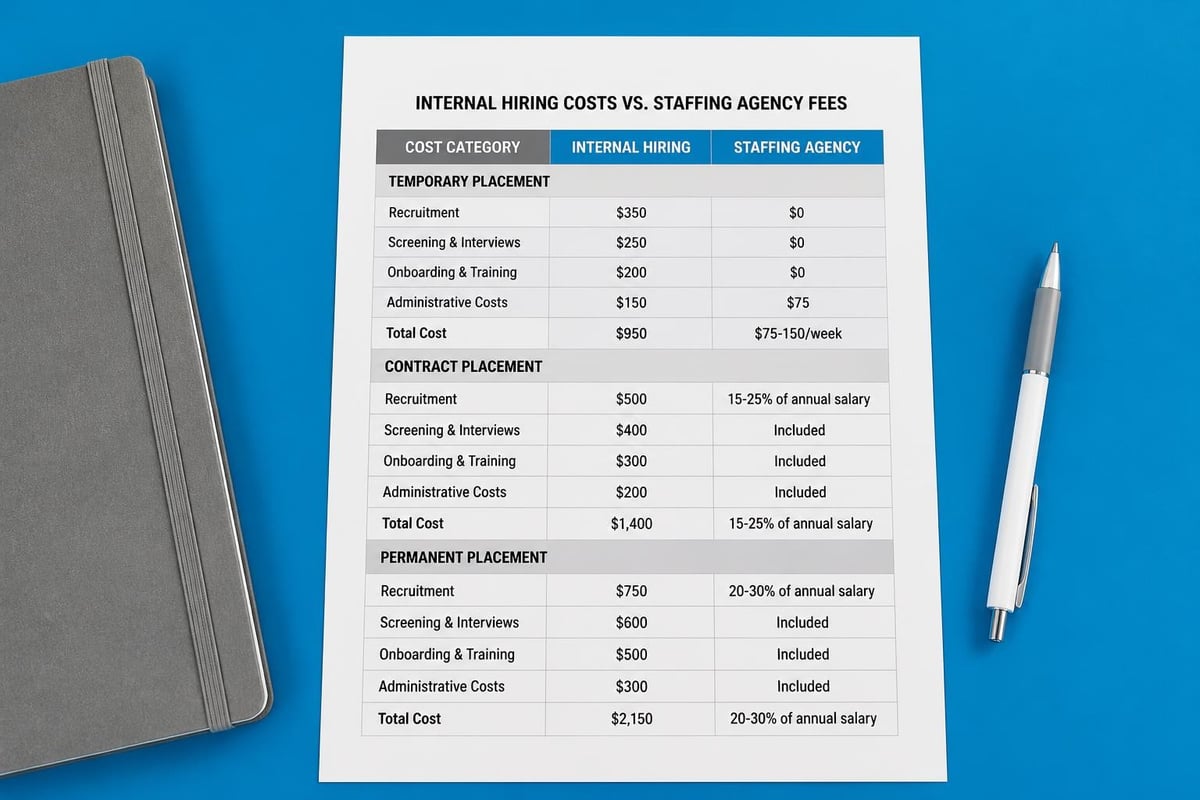
When evaluating whether are staffing agencies worth it for employers, start with dollars and cents. Staffing agencies charge markups ranging from 25% to 100% above base wages, depending on skill level and industry. For a welder earning $28 per hour, expect to pay $35 to $42 per hour to the agency.
That markup includes payroll taxes, workers' compensation, unemployment insurance, benefits administration, and the agency's profit margin. Compare this to your internal hiring costs:
- Job posting fees: $200-$800 per position
- Recruiter salary allocation: $15,000-$25,000 per hire
- Background checks and drug screening: $100-$300 per candidate
- Onboarding and training time: $1,500-$3,000 per employee
- Bad hire replacement cost: 30% of annual salary
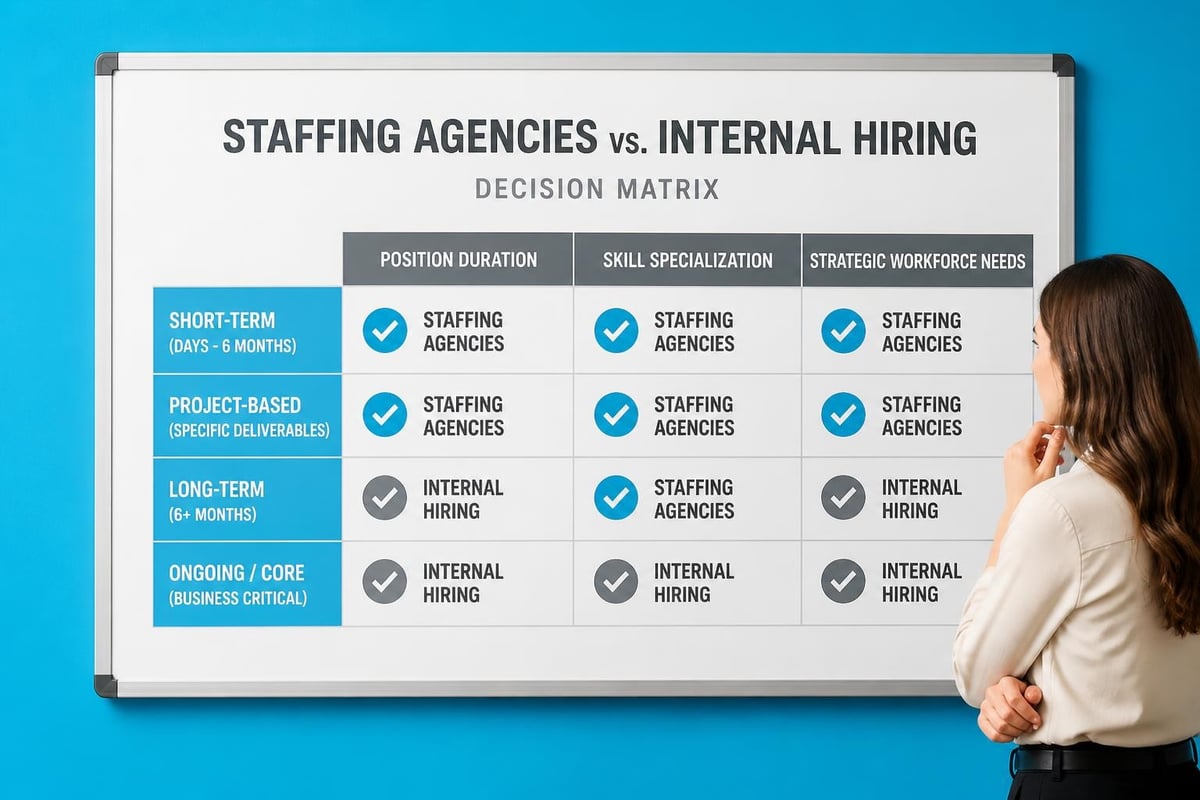
For temporary or project-based work lasting under six months, staffing agencies provide significant cost savings by eliminating these upfront investments. For permanent placements, the calculus changes.
The Hidden Savings Factor
The question of are staffing agencies worth it for employers extends beyond visible fees. Consider these hidden savings:
| Cost Category | Internal Hiring | Staffing Agency |
|---|---|---|
| Time to Fill | 42-52 days average | 24-72 hours |
| HR Administrative Hours | 25-40 hours per hire | 0 hours |
| Turnover Risk | 100% employer liability | Agency replacement guarantee |
| Compliance Violations | Full employer exposure | Shared/transferred risk |
| Payroll Processing | Internal resource drain | Fully outsourced |
Speed matters. When a construction project starts Monday and you need ten laborers Friday, internal hiring fails. Agencies deliver immediately.
Access to Pre-Vetted, Safety-Certified Talent
Industrial, construction, and maritime employers don't just need warm bodies. They need OSHA-certified, safety-trained, skilled professionals who won't shut down a job site. This is where the value proposition shifts dramatically.
Quality staffing agencies maintain pre-screened talent pools with verified:
- Safety certifications (OSHA 10, OSHA 30, confined space, fall protection)
- Trade licenses and credentials (welding certifications, CDL Class A/B, pipefitter qualifications)
- Drug screening compliance (DOT, pre-employment, random testing programs)
- Background checks (criminal history, employment verification, reference validation)
- Physical capability assessments (lift tests, mobility requirements, respirator clearance)
Building this infrastructure internally costs hundreds of thousands of dollars annually. For Gulf South region employers needing certified welders, electricians, or heavy equipment operators, partnering with specialized agencies eliminates this burden entirely.
The bilingual workforce advantage deserves special attention. Spanish-speaking skilled trades professionals represent a massive, underutilized talent pool. Agencies specializing in Latino workforce solutions provide culturally competent staffing that bridges communication gaps on diverse job sites, directly improving safety outcomes and productivity metrics.
Workforce Flexibility and Scalability
Are staffing agencies worth it for employers facing fluctuating demand? Absolutely. Staffing agencies provide the flexibility businesses need to scale up and down without the catastrophic costs of layoffs or the delays of traditional hiring.
Consider these real-world scenarios:
Scenario 1: Maritime Project Surge
A Gulf Coast shipyard wins a $45 million contract requiring 60 additional welders and pipefitters for eight months. Internal hiring would take four months minimum. By month five, the project timeline collapses. A staffing agency delivers the entire workforce within three weeks.
Scenario 2: Seasonal Construction Demands
A Louisiana construction firm experiences 200% workforce increases from March through October, dropping to baseline November through February. Maintaining year-round staff means paying idle workers or executing painful layoffs. Staffing agencies absorb this volatility entirely.
Scenario 3: Employee Absence Coverage
Three forklift operators call in sick the same morning. Production halts. Internal replacements don't exist. A staffing agency fills all three positions within four hours.
The Temp-to-Hire Strategy
Smart employers use the "try before you buy" model:
- Initial placement through the agency (30-90 days)
- Performance evaluation in real working conditions
- Direct hire conversion only for proven performers
- Elimination of bad hire risk before permanent commitment
This approach reduces new hire failure rates by 60-70% compared to traditional interviewing.
Strategic Limitations: When Agencies Fall Short
Honesty matters. Are staffing agencies worth it for employers in every situation? No. Understand the limitations.
Long-term core workforce development suffers when you rely exclusively on temporary staff. Company culture, institutional knowledge, and team cohesion require permanent employees invested in organizational success.
Highly specialized niche roles with extraordinarily specific requirements may exceed most agencies' capabilities. If you need a certified underwater welding inspector with nuclear facility experience and Spanish fluency, the talent pool shrinks to nearly zero.
Premium talent acquisition for executive and senior management positions typically requires executive search firms, not general staffing agencies. The methodologies differ fundamentally.
Understanding both benefits and drawbacks prevents unrealistic expectations and disappointment.
The Agency Selection Framework
Not all staffing agencies deliver equal value. Choosing the wrong partner wastes money and damages operations. Use this evaluation framework:
Industry Specialization Verification
Does the agency actually understand your sector? Generic staffing firms claiming "we do everything" typically excel at nothing. Industrial employers need agencies with:
- Active relationships with trade schools and certification programs
- On-staff recruiters who speak the industry language
- Demonstrated knowledge of safety regulations and compliance requirements
- Established talent pipelines in specific skilled trades
Ask for client references in your exact industry. Verify their claims.
Geographic Coverage and Local Expertise
Accessing a larger talent pool requires local presence and community relationships. An agency headquartered in Chicago cannot effectively staff Louisiana job sites. Demand proof of:
- Physical offices in your operating region
- Established networks with local workforce development programs
- Understanding of regional wage rates and competitive compensation
- Relationships with community organizations and cultural groups
For Gulf South employers, agencies deeply embedded in Louisiana, Mississippi, Alabama, and Kentucky markets deliver superior results.
Cultural Competency and Diversity Capabilities
In 2026, workforce diversity isn't optional. It's a competitive requirement. The question are staffing agencies worth it for employers depends heavily on their ability to provide multicultural talent.
Agencies offering specialized Latino workforce solutions and bilingual staffing capabilities provide decisive advantages:
- Enhanced safety communication through Spanish-language toolbox talks and training
- Expanded talent pools accessing skilled professionals overlooked by competitors
- Improved team dynamics through cultural sensitivity and inclusion
- Regulatory compliance with diversity hiring goals and equal opportunity requirements
This specialization separates premium agencies from commodity labor brokers.
ROI Measurement: Quantifying Agency Value
Calculate the actual return. Are staffing agencies worth it for employers? Measure these metrics:
| Performance Indicator | Measurement Method | Target Benchmark |
|---|---|---|
| Time to Fill | Days from request to worker arrival | Under 48 hours for general labor, under 5 days for skilled trades |
| Quality of Hire | 90-day retention rate | Above 85% |
| Safety Incident Rate | Recordable incidents per 100 workers | Below industry average |
| Cost per Hire | Total fees divided by placements | 15-20% below internal hiring costs for temporary roles |
| Hiring Manager Satisfaction | Quarterly survey scores | Above 4.2/5.0 |
| Fill Rate | Percentage of requests successfully filled | Above 90% |
Track these numbers quarterly. Agencies failing to meet benchmarks should be replaced immediately.
The Productivity Multiplier
Beyond direct costs, calculate productivity gains. When agencies save employers time and accelerate workforce deployment, projects complete faster and revenue accelerates.
A construction project delayed two weeks while waiting for internal hiring costs:
- Lost revenue: Project delay penalties ($10,000-$50,000)
- Overhead continuation: Extended supervision and equipment costs
- Opportunity cost: Inability to bid new projects due to resource constraints
- Client relationship damage: Reputation harm and future bid disadvantages
Staffing agencies eliminating these delays deliver ROI multiples exceeding 300-400%.
Compliance and Risk Transfer Benefits
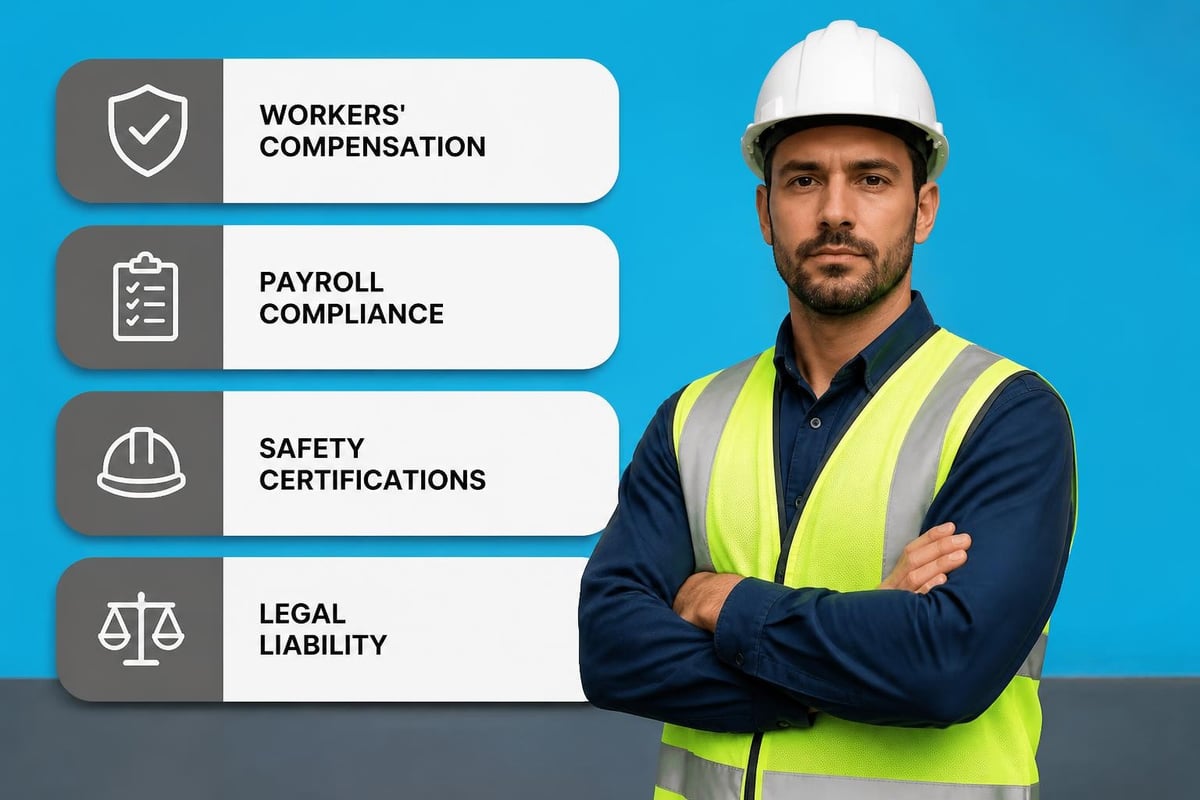
Employers underestimate legal and regulatory risk until violations strike. Workers' compensation claims, discrimination lawsuits, wage and hour violations, and safety penalties can devastate businesses.
Quality staffing agencies assume significant liability:
- Employer of record status for temporary workers
- Workers' compensation insurance covering workplace injuries
- Unemployment insurance for terminated placements
- Payroll tax compliance eliminating misclassification risk
- Background check liability for negligent hiring claims
This risk transfer alone justifies agency partnerships for many employers. One avoided lawsuit pays for years of agency fees.
Safety Compliance Specialization
Industrial and construction employers face intense OSHA scrutiny. Agency-provided workers must meet identical safety standards as direct employees. Premium agencies deliver:
- Pre-employment safety training documented and verified
- Ongoing certification management tracking expiration dates
- Incident investigation support when accidents occur
- Safety culture alignment matching employer requirements
- Drug and alcohol testing programs meeting DOT and industry standards
Agencies lacking robust safety programs create liability, not value.
The Competitive Talent Acquisition Advantage
Labor markets in 2026 favor workers, not employers. Skilled trades shortages intensify annually. How staffing agencies operate gives them structural advantages in tight markets.
Agencies recruit continuously, not reactively. While you scramble to fill emergency openings, quality agencies maintain ready-to-deploy talent pools through:
- Ongoing advertising and outreach across multiple channels
- Relationship-based recruiting with past successful placements
- Community partnerships with training programs and workforce development
- Competitive intelligence on wage rates and benefit expectations
- Employer brand promotion making opportunities attractive to top talent
You cannot replicate this infrastructure cost-effectively for occasional hiring needs.
The Passive Candidate Pipeline
The best workers aren't actively job searching. They're employed and content. Agencies access passive candidates through established relationships and ongoing engagement. When your need arises, they already know who to call.
This network effect compounds over years. An agency operating in industrial staffing for fifteen years knows thousands of welders, pipefitters, and electricians personally. That relationship capital cannot be purchased or rushed.
Frequently Asked Questions
What are the main benefits of using a staffing agency?
Staffing agencies provide immediate access to pre-vetted talent, eliminate hiring administrative burdens, reduce time-to-fill from weeks to days, transfer employment-related legal risks, and offer workforce scalability without long-term commitments. They maintain specialized talent pools that individual employers cannot efficiently replicate.
How much do staffing agencies typically charge employers?
Staffing agencies charge markups ranging from 25% to 100% above base worker wages, depending on skill level, industry, and placement type. For example, a skilled welder earning $28 per hour might cost the employer $35-$42 per hour through an agency. This markup covers payroll taxes, insurance, benefits, and agency profit.
Are staffing agencies worth it for small businesses?
Yes, particularly for small businesses lacking dedicated HR departments. Small employers benefit disproportionately from agencies handling recruiting, payroll, compliance, and benefits administration. The cost savings from avoiding bad hires and reducing administrative overhead often exceeds agency fees for businesses under 50 employees.
How quickly can staffing agencies fill positions?
Quality staffing agencies fill general labor positions within 24-48 hours and skilled trades positions within 3-5 days for standard requirements. Emergency requests can often be filled same-day or next-day for common roles like forklift operators, general laborers, or warehouse staff.
Do staffing agencies provide safety-certified workers?
Reputable industrial staffing agencies maintain pre-screened talent pools with current safety certifications including OSHA 10/30, confined space, fall protection, and trade-specific credentials. They handle certification tracking, renewal management, and compliance documentation, ensuring workers meet site-specific safety requirements before deployment.
What is the difference between temp and temp-to-hire placements?
Temporary placements are short-term assignments with no employment commitment, where workers remain agency employees throughout. Temp-to-hire placements include an evaluation period (typically 30-90 days) after which employers can convert workers to direct employees, usually with a conversion fee paid to the agency.
Can staffing agencies help with bilingual workforce needs?
Specialized staffing agencies with cultural competency programs provide bilingual Spanish-English workers and culturally diverse talent pools. This capability is particularly valuable in industrial, construction, and maritime sectors where effective communication enhances safety and productivity on multicultural job sites.
How can I find the best staffing agency for my industry?
Evaluate agencies based on industry specialization, local market presence, safety compliance programs, client references in your specific sector, cultural diversity capabilities, and measurable performance metrics like fill rates and retention rates. Prioritize agencies with physical presence in your operating region and demonstrated expertise in your required skill sets.
When should I consider partnering with a specialized staffing agency?
Consider specialized staffing partnerships when facing project surges requiring rapid workforce scaling, seasonal demand fluctuations, critical skill shortages in trades like welding or pipefitting, or when you need access to diverse, bilingual talent pools that general agencies cannot provide. For Gulf South industrial and construction employers, partnering with CDR General Services delivers unmatched access to safety-certified, Spanish-speaking skilled professionals ready to deploy immediately.
Are staffing agencies worth it for employers? When you demand speed, safety, scalability, and specialized talent, the answer is definitively yes. The key is selecting a partner with proven industry expertise, local market depth, and unmatched cultural competency. For Gulf South employers navigating industrial, construction, and maritime workforce challenges, CDR General Services delivers safety-certified, bilingual skilled professionals and ready-to-deploy teams that competitors simply cannot match. Contact us today to access the Gulf South's most specialized and diverse talent pool.