


Louisiana Manufacturing Hiring Challenges in 2026

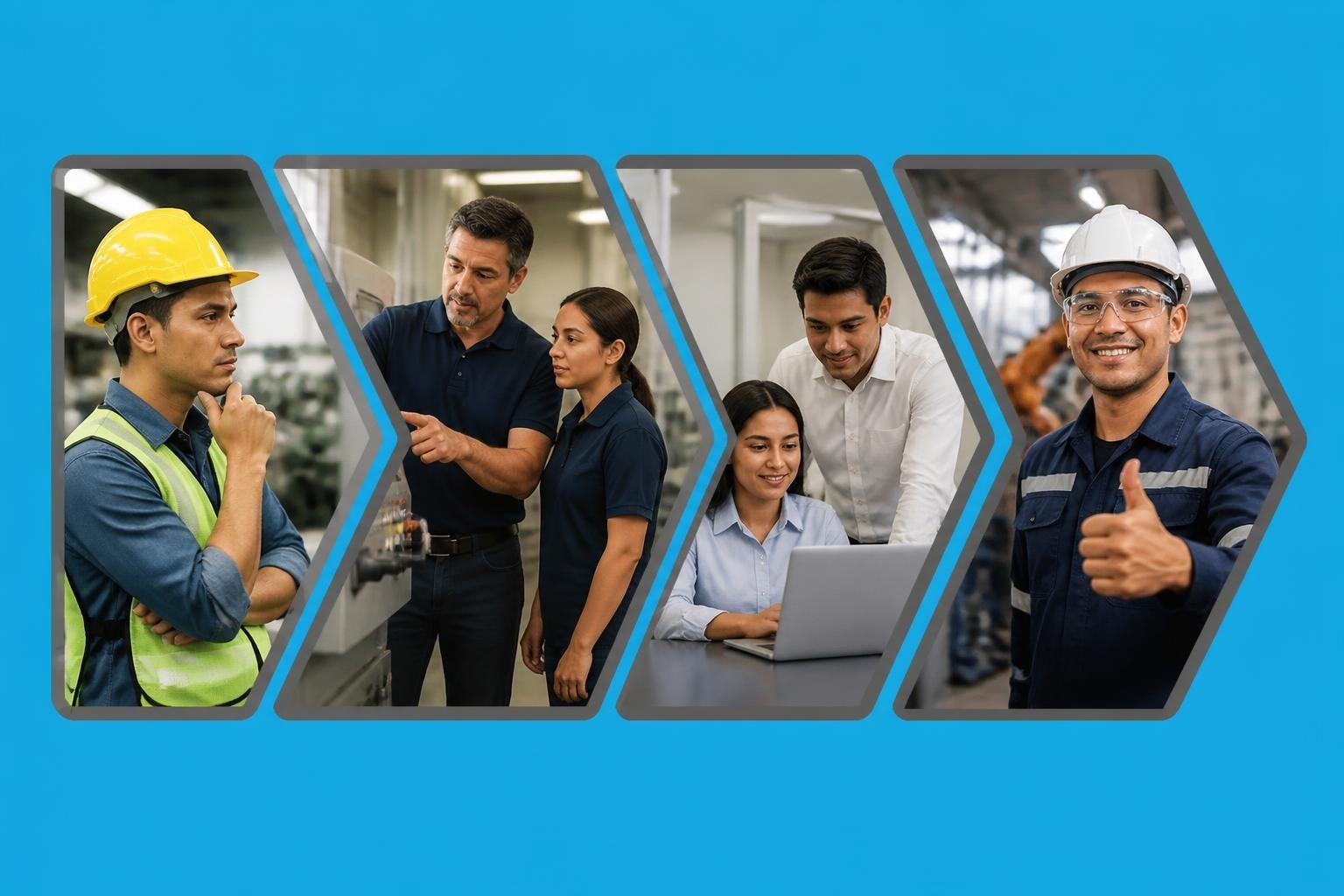
Louisiana's manufacturing sector stands at a crossroads in 2026. The state's industrial corridor along the Mississippi River and petrochemical clusters across the Gulf Coast drive billions in economic output, yet every facility manager, plant director, and HR professional faces the same relentless reality: finding and keeping qualified workers has become the single greatest operational constraint. Louisiana manufacturing hiring challenges are not abstract economic trends-they are daily staffing battles that determine production schedules, safety records, contract fulfillment, and competitive advantage. These challenges stem from demographic shifts, skills mismatches, wage competition, and cultural barriers that demand strategic, specialized workforce solutions.
The Five Core Louisiana Manufacturing Hiring Challenges
Skilled Trades Shortage and Technical Competency Gaps
The foundation of louisiana manufacturing hiring challenges rests on a critical shortage of certified, experienced tradespeople. Welders, pipefitters, millwrights, industrial electricians, and heavy equipment operators represent the backbone of chemical plants, fabrication shops, and refinery operations. Yet the supply of these professionals has been contracting for a decade.
Louisiana faces a demographic cliff. Baby Boomer retirements accelerate yearly, removing institutional knowledge and hands-on expertise from the shop floor. Meanwhile, younger workers increasingly pursue four-year degrees over technical certifications, creating a generational talent gap. The result is fierce competition for every qualified welder or certified pipefitter.
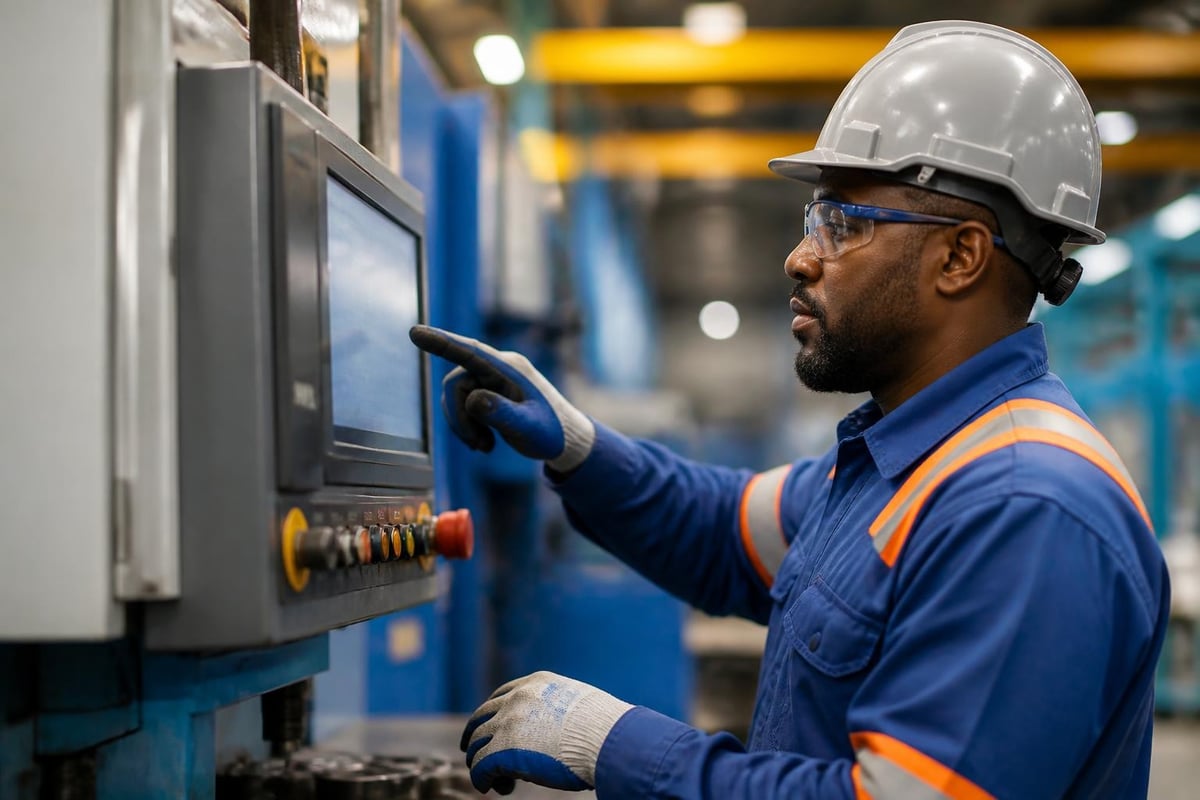
The skills mismatch extends beyond credentials. Modern manufacturing demands adaptive competencies-programmable logic controllers (PLC), robotics familiarity, preventive maintenance systems, and digital literacy-that traditional trade schools rarely integrate. The Manufacturing Institute’s 2024 research on adaptive skills highlights this evolution, showing that 65% of manufacturers report difficulty finding workers with both technical skills and problem-solving abilities.
Regional Wage Pressure and Retention Competition
Louisiana manufacturing employers do not compete in isolation. Every Gulf South state-Texas, Mississippi, Alabama-runs parallel industrial operations, all chasing the same limited talent pool. When a Beaumont refinery offers premium wages or a Mobile shipyard dangles relocation bonuses, Louisiana plants must match or lose workers.
This wage escalation creates a retention treadmill. Manufacturers increase compensation, only to see competitors raise the bar again. The National Association of Manufacturers’ 2024 Outlook Survey confirms workforce attraction and retention as the top business concern, surpassing supply chain disruptions and regulatory compliance.
Louisiana's cost-of-living advantage once offset wage gaps, but inflation since 2022 has compressed that margin. Workers now calculate total compensation more aggressively, factoring healthcare, overtime predictability, and shift premiums. Plants that cannot deliver competitive total packages face constant turnover.
| Challenge Factor | Impact on Louisiana Manufacturing | Strategic Response Required |
|---|---|---|
| Skilled trades shortage | 60-90 day fill times for certified positions | Pre-screened talent pipelines, bilingual outreach |
| Wage competition | 15-25% turnover among hourly workforce | Total compensation transparency, retention bonuses |
| Safety certification gaps | Delayed project starts, compliance risk | Safety-first staffing partners, onsite training |
| Cultural/language barriers | Miscommunication, productivity loss | Bilingual supervisors, culturally competent teams |
Safety Certification and Compliance Complexity
Louisiana's chemical, petrochemical, and maritime manufacturing sectors operate under stringent safety regulations. OSHA 10/30 certifications, TWIC cards, confined space training, fall protection, lockout/tagout procedures-the list of required credentials creates a compliance maze. Louisiana manufacturing hiring challenges intensify because every open position requires not just skills, but verifiable safety documentation.
Plants cannot afford shortcuts. A single safety incident triggers regulatory scrutiny, insurance premium spikes, and potential shutdowns. Consequently, hiring managers must verify certifications, background checks, and drug screening for every candidate, extending time-to-fill and eliminating otherwise capable workers who lack current credentials.
The compliance burden disproportionately affects smaller manufacturers. While large facilities maintain dedicated safety departments and training budgets, mid-sized plants struggle to onboard workers efficiently while maintaining safety standards. This administrative bottleneck explains why many Louisiana manufacturers increasingly turn to specialized staffing partners who deliver pre-certified, safety-ready personnel.
Language and Cultural Integration Barriers
Louisiana's workforce is more diverse than ever, particularly along the Gulf Coast where Latino communities have grown significantly. Spanish-speaking workers represent a substantial, skilled, and underutilized talent pool-yet language barriers prevent many manufacturers from accessing this resource effectively.
The communication gap is not trivial. Production schedules, safety protocols, quality standards, and emergency procedures require precise understanding. When supervisors and workers cannot communicate clearly, productivity suffers, errors multiply, and safety risks escalate. Louisiana manufacturing hiring challenges persist partly because many employers lack bilingual recruitment channels and culturally competent onboarding processes.
The strategic opportunity is clear. Manufacturers who implement bilingual supervision, Spanish-language safety training, and culturally inclusive workplaces tap into a motivated, reliable workforce that competitors overlook. This approach does not just fill positions-it builds team cohesion and reduces turnover.
Geographic Constraints and Rural Workforce Access
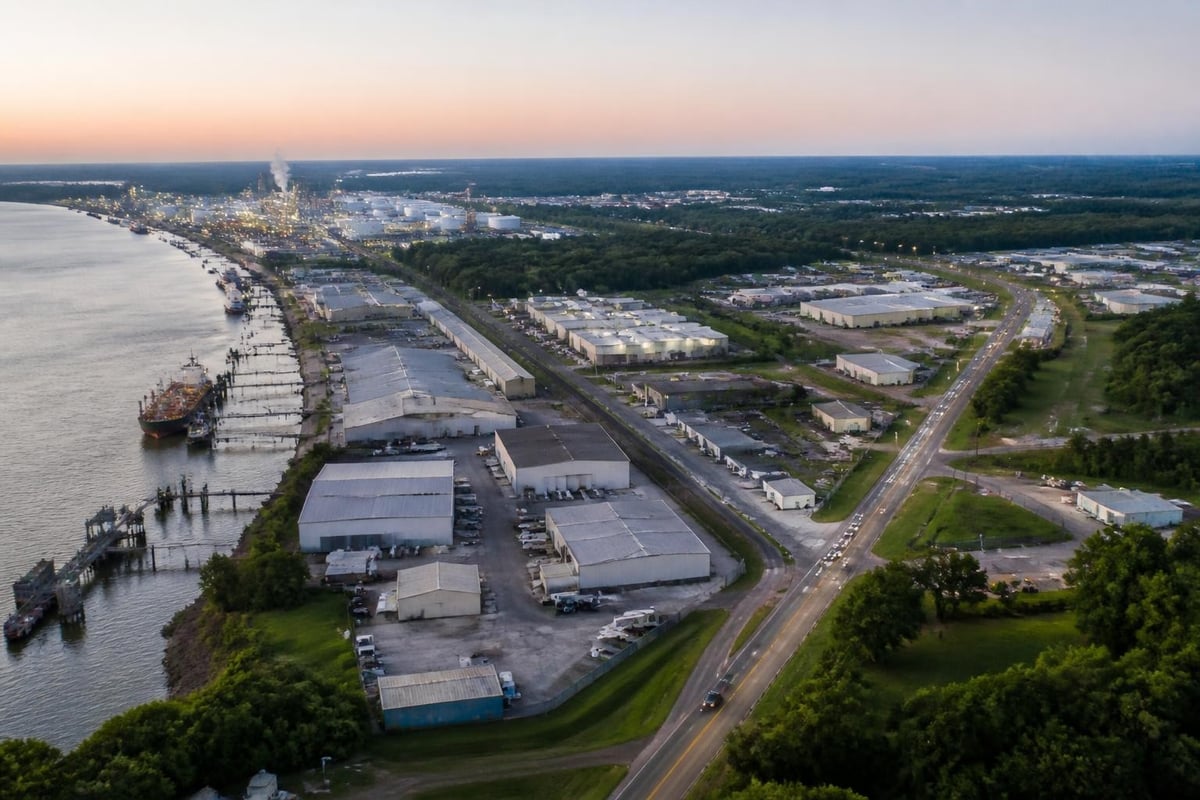
Louisiana's industrial footprint spreads across urban centers like Baton Rouge and New Orleans, but also into rural parishes where chemical plants, paper mills, and fabrication facilities operate far from population centers. Workers in these rural areas face transportation challenges, childcare limitations, and fewer alternative employment options.
Recruiting for rural plants compounds louisiana manufacturing hiring challenges. The local labor pool may be limited, requiring manufacturers to recruit from 50-100 miles away. Workers commuting long distances demand higher wages to offset fuel costs and time, or they churn rapidly when closer opportunities emerge.
Strategic Solutions to Overcome Louisiana Manufacturing Hiring Challenges
Leverage State Workforce Development Programs
Louisiana offers robust employer support through state-level initiatives designed explicitly to address manufacturing hiring challenges. Louisiana Economic Development’s FastStart program provides customized recruiting, screening, and training services at no cost to qualifying manufacturers. FastStart delivers pre-employment assessments, classroom instruction, and on-the-job training tailored to specific production environments.
Manufacturers who engage FastStart gain access to:
- Customized curriculum development aligned to plant operations
- Candidate screening and skills assessment before hire
- Subsidized training delivery reducing onboarding costs
- Statewide recruiting reach expanding the talent pool
This partnership model converts raw candidates into production-ready workers, dramatically reducing time-to-productivity. The strategic advantage lies in shifting training costs from the employer to the state while maintaining quality control over competency development.
Build Integrated Education and Training Pipelines
Long-term solutions to louisiana manufacturing hiring challenges require investment in talent development before the hire. Louisiana’s National Reporting System programs document successful Integrated Education and Training (IET) cohorts that combine adult basic education with occupational skills training in welding, HVAC, industrial maintenance, and digital literacy.
Manufacturers who partner with community colleges, technical schools, and workforce boards create customized pipelines that deliver pre-screened, pre-trained candidates. These partnerships include:
- Apprenticeship programs blending classroom instruction with paid on-the-job training
- Employer advisory boards shaping curriculum to match actual production needs
- Guaranteed interview programs where graduates receive priority consideration
- Equipment donations ensuring students train on industry-standard machinery
The investment horizon extends 12-24 months, but the payoff is a steady flow of loyal, locally-rooted workers who require minimal post-hire training.
Implement Bilingual and Culturally Competent Staffing
The decisive competitive advantage in Louisiana's 2026 manufacturing labor market belongs to employers who access the skilled, Spanish-speaking workforce effectively. This demographic represents willing, capable workers often overlooked by competitors lacking bilingual recruitment and management capabilities.
Culturally competent staffing is not simply translation. It requires:
- Bilingual supervisors who deliver safety instructions, quality standards, and production expectations in Spanish
- Recruitment networks connected to Latino community organizations, churches, and social groups
- Onboarding materials and training videos available in Spanish
- Workplace cultures that respect and integrate diverse backgrounds
Manufacturers who implement these practices report lower turnover, higher productivity, and stronger team cohesion. The Latino workforce is not a contingency option-it is a strategic talent source that solves louisiana manufacturing hiring challenges competitors cannot address.
Partner with Specialized Industrial Staffing Agencies
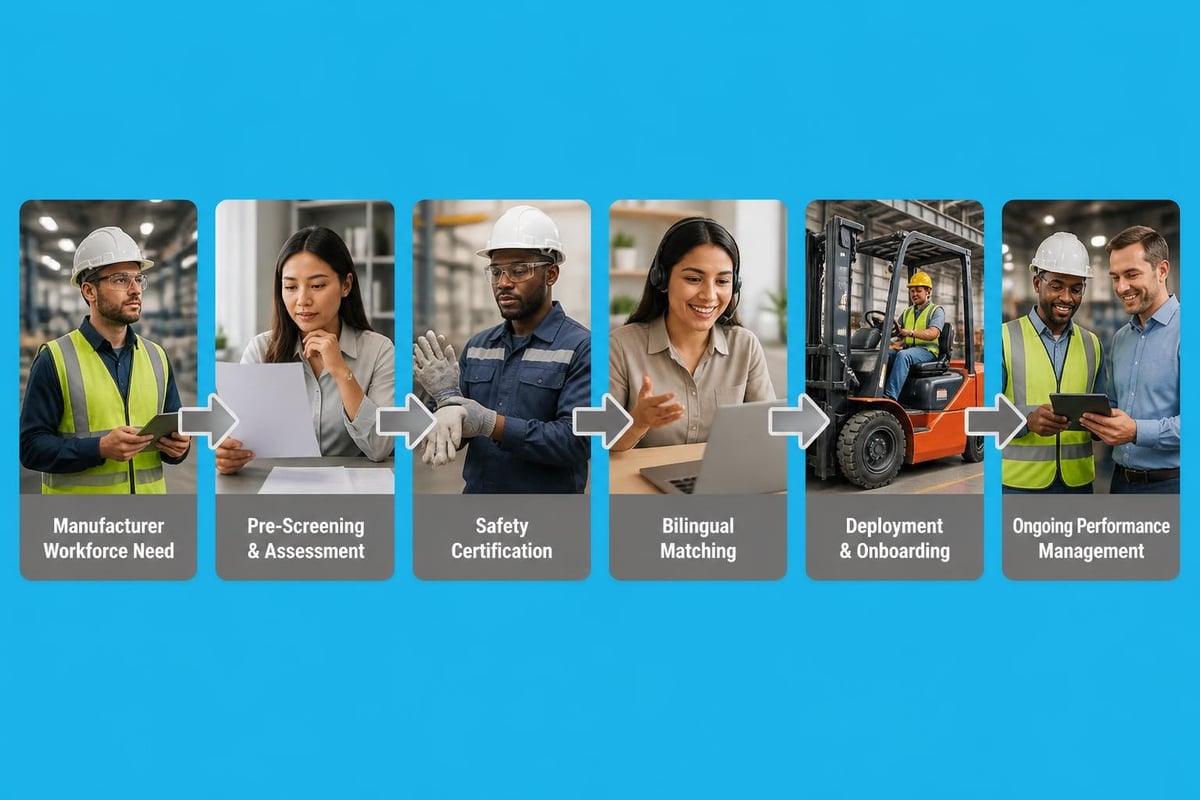
Time-to-fill directly impacts production capacity, contract fulfillment, and revenue. Every week a critical position remains open is a week of lost output, overtime burden on existing staff, and increased safety risk from overworked teams. Specialized staffing agencies deliver immediate relief by maintaining pre-screened, safety-certified talent pools ready for deployment.
The strategic value of staffing partnerships includes:
- Immediate access to certified welders, pipefitters, electricians, and operators
- Scalability to ramp up or down based on project cycles without long-term commitments
- Compliance assurance with all safety certifications, background checks, and drug screening verified
- Bilingual coordination connecting Spanish-speaking workers with appropriate supervisory support
- Reduced administrative burden as the agency handles payroll, benefits, and HR logistics
| Hiring Method | Time-to-Fill | Safety Certification | Bilingual Capability | Scalability |
|---|---|---|---|---|
| Direct hire | 60-90 days | Employer verifies | Limited | Low |
| General staffing agency | 14-30 days | Variable | Minimal | Medium |
| Specialized industrial staffing | 1-7 days | Pre-certified | Strategic advantage | High |
Specialized agencies focused on industrial, construction, and maritime sectors understand Louisiana manufacturing hiring challenges intimately. They invest in safety training, maintain bilingual recruiters, and cultivate relationships with skilled tradespeople across the Gulf South region.
Regional Economic Context and Workforce Data
Louisiana's Manufacturing Employment Trends
Understanding louisiana manufacturing hiring challenges requires reviewing current labor market data. Louisiana’s Economic Vitals report from May 2025 provides monthly updates on manufacturing employment, labor force participation, and sector-specific metrics. As of early 2026, Louisiana manufacturing employment holds steady near 140,000 workers, but unfilled positions persist across chemical, fabrication, and food processing sectors.
The Institute for Supply Management (ISM) Purchasing Managers' Index (PMI) for Louisiana has fluctuated between expansion and contraction, reflecting broader economic uncertainty. Yet even during contraction periods, workforce shortages remain constant. This paradox-slowing production amid worker scarcity-underscores that louisiana manufacturing hiring challenges stem from structural talent gaps, not cyclical demand.
Federal Reserve Regional Insights
The Federal Reserve Bank of Atlanta tracks southeastern manufacturing conditions through Beige Book reports and regional surveys. The Atlanta Fed’s 2024 economic temperature check documents persistent hiring difficulties across Gulf Coast states, with anecdotal evidence of manufacturers delaying expansions due to inability to staff new lines.
The regional data reveals skill-specific constraints: Louisiana manufacturers report acute shortages in welding, industrial maintenance, and quality control positions-exactly the roles requiring both technical certification and practical experience. These are not entry-level jobs but mid-skill positions demanding 2-5 years of experience, creating a "missing middle" in the talent pipeline.
Frequently Asked Questions
What are the biggest louisiana manufacturing hiring challenges in 2026?
The biggest louisiana manufacturing hiring challenges in 2026 include a severe shortage of certified skilled tradespeople (welders, pipefitters, electricians), intense wage competition from neighboring Gulf South states, complex safety certification requirements (OSHA, TWIC, confined space), language and cultural barriers preventing access to Spanish-speaking talent, and geographic constraints in rural plant locations. These challenges create extended time-to-fill periods (60-90 days for critical positions) and force manufacturers to compete aggressively for limited qualified candidates.
How long does it typically take to fill a skilled manufacturing position in Louisiana?
Direct hire approaches for skilled manufacturing positions in Louisiana typically require 60-90 days from job posting to productive start. This timeline includes recruitment advertising, candidate screening, skills verification, safety certification checks, background and drug screening, interviewing, offer negotiation, and onboarding. Specialized industrial staffing agencies reduce this timeline to 1-7 days by maintaining pre-screened, safety-certified talent pools ready for immediate deployment, solving the time-critical nature of louisiana manufacturing hiring challenges.
Why do Louisiana manufacturers struggle to find welders and pipefitters?
Louisiana manufacturers struggle to find welders and pipefitters due to Baby Boomer retirements removing experienced tradespeople from the workforce, younger generations pursuing four-year degrees over technical trades, insufficient training pipeline capacity at technical schools, wage competition from Texas and Mississippi industrial facilities, and the requirement for specialized certifications (6G welding, ASME codes, pressure vessel experience) that take years to develop. The shortage is structural, not cyclical, making proactive talent pipeline development essential.
What role does bilingual staffing play in solving Louisiana manufacturing hiring challenges?
Bilingual staffing provides a decisive competitive advantage by accessing the skilled, Spanish-speaking workforce that many Louisiana manufacturers overlook. Latino workers represent a substantial, motivated talent pool with strong work ethic and technical capabilities, but language barriers prevent effective recruitment and integration. Manufacturers who implement bilingual supervision, Spanish-language safety training, and culturally competent onboarding tap into this underutilized resource, reducing turnover, improving productivity, and solving staffing shortages competitors cannot address.
How can Louisiana manufacturers reduce employee turnover?
Louisiana manufacturers can reduce employee turnover by offering competitive total compensation packages (base wages plus overtime, healthcare, bonuses), providing clear advancement pathways and skills development opportunities, implementing bilingual and culturally inclusive workplace practices, partnering with state training programs like LED FastStart, ensuring consistent scheduling and reasonable overtime expectations, recognizing and rewarding performance, and maintaining rigorous safety standards that protect workers. Retention strategies must address both compensation and workplace culture to combat louisiana manufacturing hiring challenges.
What safety certifications do Louisiana manufacturing workers need?
Louisiana manufacturing workers typically need OSHA 10 or OSHA 30 certifications depending on position, TWIC (Transportation Worker Identification Credential) for facilities with port or maritime access, confined space entry training, lockout/tagout (LOTO) certification, fall protection and aerial lift training for elevated work, hazardous materials (HAZMAT) awareness, forklift and heavy equipment operator licenses, and first aid/CPR certification. Chemical and petrochemical facilities may require additional specialized certifications. Specialized staffing agencies deliver workers with these credentials already verified.
How does LED FastStart help with manufacturing hiring in Louisiana?
LED FastStart helps with manufacturing hiring in Louisiana by providing no-cost customized recruiting, screening, and training services to qualifying employers. The program develops tailored curriculum aligned to specific plant operations, screens and assesses candidates before hire, delivers classroom and on-the-job training, and provides statewide recruiting reach to expand the talent pool. FastStart shifts training costs from the employer to the state while maintaining quality control, solving both the skills gap and financial burden aspects of louisiana manufacturing hiring challenges.
What advantages do specialized industrial staffing agencies offer Louisiana manufacturers?
Specialized industrial staffing agencies offer Louisiana manufacturers immediate access to pre-screened, safety-certified workers (welders, pipefitters, electricians, operators), scalability to adjust workforce size based on project cycles without long-term commitments, compliance assurance with all safety certifications and background checks already verified, bilingual coordination connecting Spanish-speaking workers with appropriate supervision, reduced administrative burden for payroll and HR, and expertise in Gulf South industrial sectors. These agencies understand louisiana manufacturing hiring challenges and maintain ready-to-deploy talent pools that direct hiring cannot match.
How can CDR General Services help solve my Louisiana manufacturing staffing needs?
CDR General Services solves Louisiana manufacturing staffing needs by delivering pre-screened, safety-certified industrial personnel including certified welders, pipefitters, electricians, heavy equipment operators, and construction teams ready for immediate deployment. Our unmatched competitive advantage lies in bilingual staffing expertise-we provide skilled Spanish-speaking workers and culturally competent supervision that competitors cannot match, accessing the Latino talent pool that solves workforce shortages others overlook. As a minority-owned, Gulf South specialist, we understand louisiana manufacturing hiring challenges intimately and deliver scalable, reliable workforce solutions across Louisiana, Mississippi, Alabama, and Kentucky.
Louisiana manufacturing hiring challenges demand more than generic recruitment tactics-they require specialized expertise, bilingual capabilities, and deep Gulf South market knowledge. The manufacturers who thrive in 2026 and beyond are those who partner strategically with staffing experts who understand the nuances of industrial talent, safety compliance, and cultural integration. CDR General Services delivers precisely that advantage: pre-certified, safety-ready industrial personnel backed by unmatched bilingual staffing expertise that accesses the skilled Latino workforce competitors cannot reach. When your production schedules depend on reliable, qualified workers, CDR General Services is your decisive partner for Gulf South manufacturing staffing solutions.