


Bilingual Industrial Workforce Solutions Guide for 2025

In 2025, the demand for bilingual industrial workforce solutions is surging as globalization, shifting demographics, and safety mandates reshape the industrial landscape. Employers are facing real challenges—language barriers disrupt communication, slow productivity, and complicate compliance.
The right bilingual industrial workforce solutions unlock clear communication, reduce costly errors, and boost retention across diverse teams. This guide gives you the playbook, offering concrete strategies, fresh market insights, and step-by-step actions to build a high-performing bilingual workforce.
You will discover the latest trends, industry challenges, actionable hiring strategies, critical technology, compliance essentials, and proven best practices to lead your organization confidently into the future.
The Evolving Landscape of Bilingual Industrial Workforces in 2025
The industrial sector is shifting rapidly as we approach 2025. Companies are rethinking how they build teams, respond to demographic changes, and stay competitive. The demand for bilingual industrial workforce solutions is not just a trend—it is a necessity for operational excellence.
Market Trends and Drivers
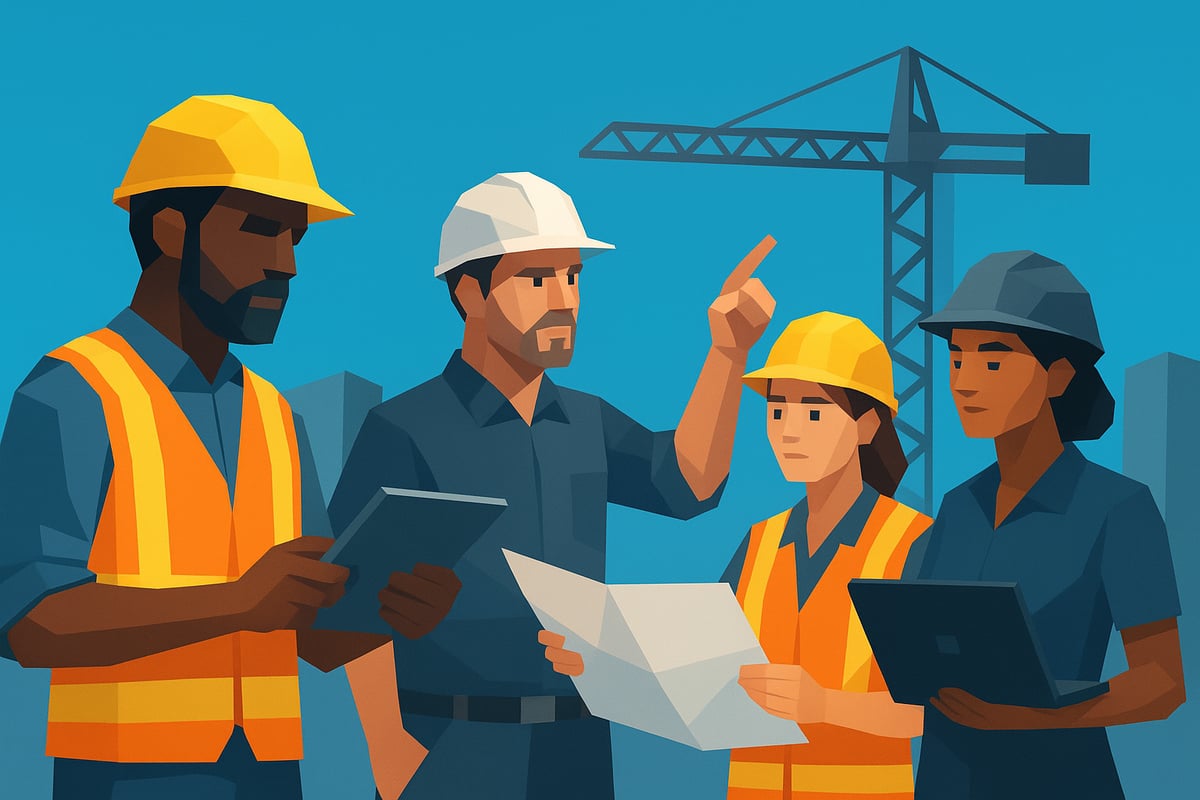
The US industrial sector is experiencing a historic rise in Hispanic and Latino participation, reshaping the workforce landscape. Globalization fuels the need for teams that can operate seamlessly across borders and languages. As large-scale infrastructure projects expand in the Gulf South, the demand for Spanish-speaking workers in manufacturing, logistics, and construction is reaching new heights.
According to Pew Research Center, Latinos will comprise over 20 percent of the US labor force by 2025. This shift demands cultural competence and strong communication skills. Technological advancements, like remote collaboration tools, are supporting this evolution. Companies that leverage Unmatched Spanish-Speaking Workforce strategies lead the way in deploying effective bilingual industrial workforce solutions.
Key Industry Challenges
Despite clear market drivers, serious challenges remain. Communication barriers can lead to safety incidents and operational slowdowns. Sourcing qualified bilingual talent for skilled trades is a constant struggle. Many employers grapple with OSHA and EEOC language requirements, risking compliance issues.
Consider a manufacturing plant that saw accident rates spike due to language misunderstandings—a scenario far too common. Retaining non-native English speakers is another hurdle, especially when integration with multicultural teams is weak. To overcome these issues, organizations must invest in robust bilingual industrial workforce solutions.
Benefits of a Bilingual Workforce
Implementing bilingual industrial workforce solutions delivers measurable benefits. Enhanced safety compliance leads to fewer workplace incidents, while productivity increases as onboarding accelerates. Employee engagement and retention also rise, reducing costly turnover.
Clear communication with clients and stakeholders sets companies apart. For example, a logistics firm cut shipping errors by 30 percent after hiring bilingual supervisors. This strategic advantage helps secure diverse contracts and positions organizations as industry leaders.
Demographic and Regional Insights
Spanish-speaking populations are growing quickly in the Gulf South and across the nation. Louisiana, Mississippi, Alabama, and Kentucky are seeing especially sharp increases in bilingual employment rates, according to the US Bureau of Labor Statistics.
Industry-specific needs are also shifting. Maritime, construction, and warehousing operations now rely on bilingual industrial workforce solutions to meet safety standards and maintain productivity. Regional trends show that organizations ignoring these changes risk falling behind in talent acquisition and compliance.
Future Outlook: 2025 and Beyond
Looking ahead, projected labor shortages will make bilingual staffing even more critical. Automation and AI are changing language requirements, but human communication remains irreplaceable. Regulatory trends increasingly favor multilingual safety training and documentation.
Federal initiatives are promoting workplace inclusivity, creating new opportunities for companies that adopt forward-thinking bilingual industrial workforce solutions. Businesses that adapt now will be positioned to lead as the next generation of industrial staffing emerges.
Step-by-Step Guide to Building a Bilingual Industrial Workforce
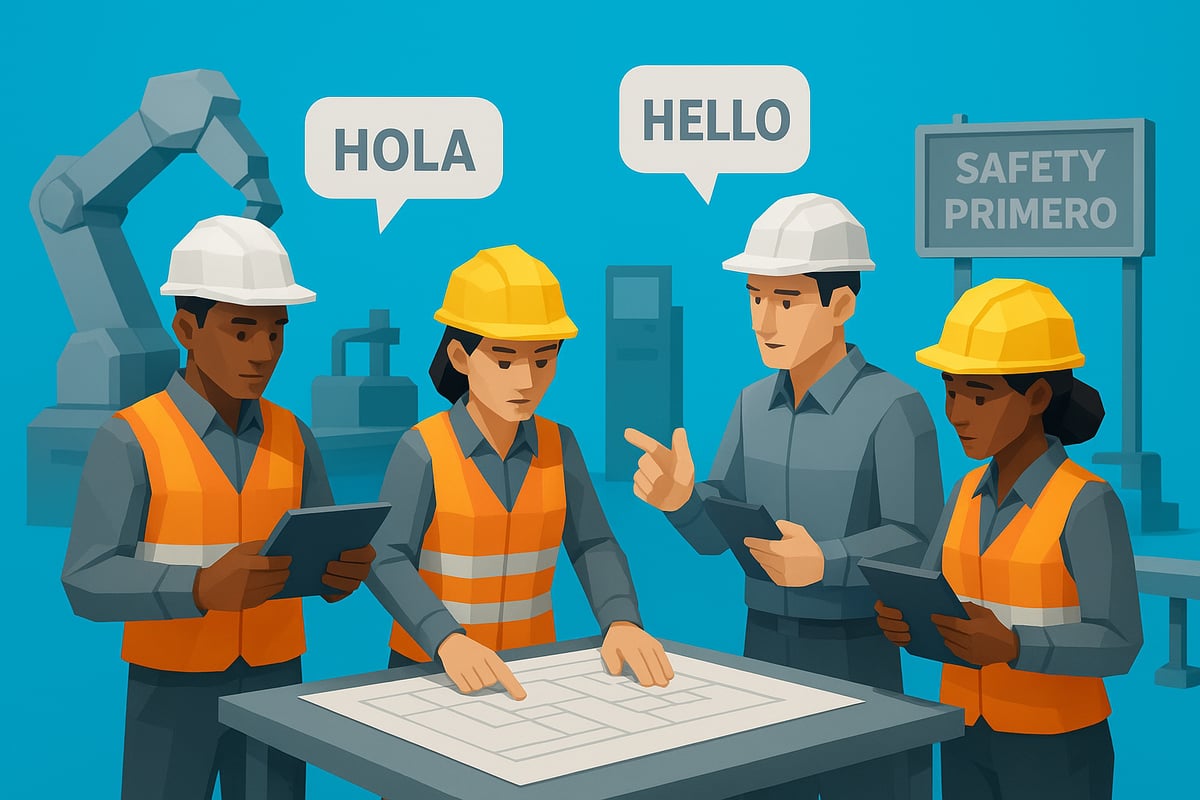
Building a successful team is not just about filling seats. It is about strategically implementing bilingual industrial workforce solutions that drive safety, productivity, and retention. Here is your seven-step blueprint for 2025.
Step 1: Assessing Organizational Needs
Start with a comprehensive language audit. Review your current workforce to identify language capabilities and gaps. Which roles are critical for communication, compliance, or safety?
Map out where bilingual industrial workforce solutions will have the highest impact. Safety-sensitive positions, for example, often require real-time, clear communication. Align your assessment with business objectives, considering future projects and demographic shifts.
List key questions:
- Which teams face the most language barriers?
- Are there recurring incidents tied to miscommunication?
- What are the compliance requirements in your region?
With this groundwork, you are ready to move from guesswork to targeted action.
Step 2: Sourcing and Recruiting Bilingual Talent
Effective sourcing is the backbone of all bilingual industrial workforce solutions. Craft job postings in both English and Spanish. Use inclusive language that signals a welcoming environment.
Partner with minority-owned staffing agencies and leverage community groups, trade schools, and digital platforms. According to LinkedIn, bilingual job postings surged by 40 percent in 2024, so competition is fierce.
For specialized needs, explore Industrial Staffing Solutions that focus on bilingual placements. This approach broadens your reach and ensures compliance with hiring best practices.
Key channels:
- Community organizations
- Vocational training institutes
- Industry job boards targeting Spanish-speaking candidates
Prioritize transparency and offer clear pathways for career growth.
Step 3: Screening and Evaluating Language Proficiency
Do not settle for self-reported skills. Integrate standardized language assessments into your process. Simulate real-life work scenarios, such as role-playing safety instructions or troubleshooting equipment, to evaluate practical communication.
Behavioral interviews should probe for cultural fit and adaptability. Legal compliance is critical, so ensure your assessments are job-related and non-discriminatory.
Checklist for screening:
- Written and verbal language tests
- Scenario-based interviews
- Reference checks focused on communication
Robust screening is the linchpin of effective bilingual industrial workforce solutions.
Step 4: Onboarding and Integrating Bilingual Employees
A strong onboarding program sets the tone. Deliver orientation, safety training, and HR policies in both languages. Use bilingual mentors or buddy systems to help new hires acclimate.
Translated materials and multilingual signage reduce confusion on the floor. A manufacturing plant recently cut turnover by 15 percent after overhauling its onboarding for bilingual teams.
Elements of a winning onboarding:
- Welcome packets in English and Spanish
- Interactive, hands-on safety sessions
- Ongoing support from experienced mentors
Integration is more than paperwork—it is the foundation of sustainable bilingual industrial workforce solutions.
Step 5: Ongoing Training and Development
Continuous improvement is key. Offer language classes, leadership workshops, and cross-training tailored for bilingual employees. Upskill team members so they can step into supervisory roles.
Monitor training effectiveness with pre- and post-assessments. Cross-training not only boosts engagement but also strengthens operational resilience.
Training opportunities:
- Advanced safety certifications
- Supervisor development programs
- Cross-functional job rotations
By investing in people, you maximize the return on your bilingual industrial workforce solutions.
Step 6: Fostering an Inclusive and Supportive Culture
Inclusion is not an afterthought—it is a business imperative. Promote cultural awareness and enforce anti-discrimination policies. Create employee resource groups where bilingual staff can share feedback and ideas.
Recognition programs and clear growth paths help retain top talent. According to SHRM, companies with inclusive cultures see 30 percent higher retention.
Culture-building tactics:
- Regular diversity training
- Anonymous suggestion boxes
- Celebration of cultural milestones
A supportive environment gives your bilingual industrial workforce solutions staying power.
Step 7: Measuring Success and ROI
Measure what matters. Track KPIs like safety incidents, turnover rates, and productivity before and after implementing bilingual industrial workforce solutions.
Solicit feedback through surveys and focus groups. Review results quarterly and adjust your approach for continuous improvement. For example, a construction firm reduced project delays and accidents by consistently monitoring these metrics.
Key metrics:
- Safety compliance rates
- Employee retention and satisfaction
- Productivity benchmarks
Data-driven decisions ensure your investment in bilingual industrial workforce solutions delivers lasting value.
Technology and Tools for Bilingual Workforce Management
Today’s industrial landscape demands precision, speed, and above all, clear communication. Having the right technology in place is crucial for effective bilingual industrial workforce solutions. The right tools bridge language gaps, streamline hiring, and keep your teams safe and productive.
Language Assessment and Training Platforms
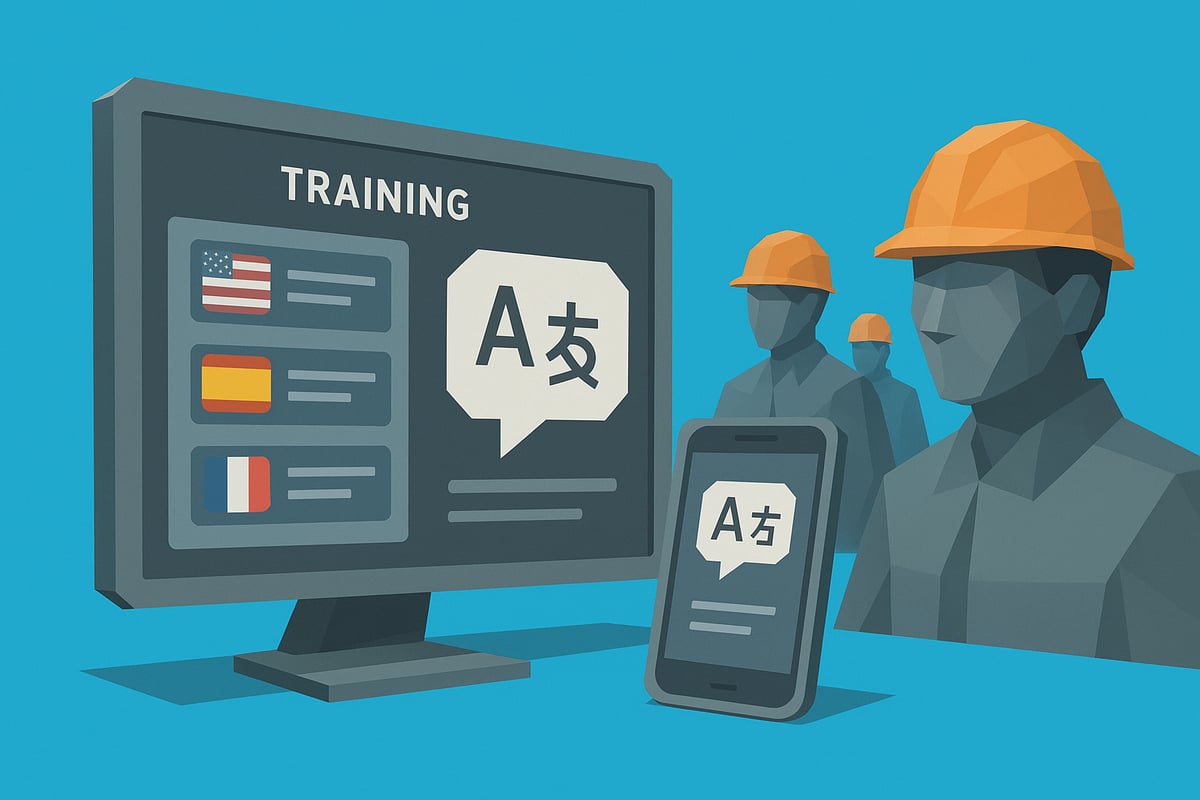
Implementing robust language assessment platforms is step one for successful bilingual industrial workforce solutions. These tools evaluate language skills at scale, ensuring new hires meet your operational standards.
Popular solutions include:
- Digital language proficiency tests tailored to industrial roles
- E-learning modules for safety, compliance, and technical skills
- Mobile apps offering real-time translation and microlearning on the job
For example, industrial firms use mobile translation apps to deliver instant instructions and safety alerts. Data from 2024 shows a 25% rise in language tech adoption across industrial sectors. These platforms make onboarding seamless and set the foundation for a safer, more productive environment.
Communication and Collaboration Tools
Miscommunication can cost time, money, and even lives. Bilingual industrial workforce solutions rely on modern collaboration tools to keep everyone connected, regardless of language.
Key features include:
- Multilingual chat platforms like Slack or Microsoft Teams
- Automated translation for messages and documents
- Real-time interpretation and voice-to-text for meetings
One logistics company slashed miscommunication rates using bilingual chatbots, improving workflow clarity. Integrating these tools into daily operations helps reduce errors and empowers your team to work efficiently. Data privacy and security remain top priorities, especially when handling sensitive employee information.
HR and Workforce Management Software
Managing a diverse team requires HR software built for bilingual industrial workforce solutions. The best systems streamline every step, from recruiting to scheduling.
Essential HR tech includes:
- Applicant tracking systems with bilingual workflows
- Scheduling and payroll tools supporting multiple languages
- Compliance documentation integrated into the employee portal
For instance, a construction firm adopted HR software with a Spanish interface, cutting onboarding time and reducing paperwork errors. These tools help your HR team attract, retain, and support the right talent, keeping your workforce agile and compliant.
Safety and Compliance Technology
Safety is non-negotiable in industrial settings. To meet regulatory standards, bilingual industrial workforce solutions must include technology that supports multilingual safety training and documentation.
Best-in-class solutions offer:
- Multilingual safety training modules accessible on-site
- Incident reporting apps with language selection
- Digital signage and alerts in employees’ native languages
Staying compliant with OSHA’s Training Standards Policy Statement is essential. OSHA requires that training be provided in a language workers understand. Failing to do so risks fines and workplace incidents. Investing in these tools protects your people and your bottom line.
Legal, Regulatory, and Compliance Considerations
Navigating the legal and compliance landscape is essential for any company investing in bilingual industrial workforce solutions. Getting this right means you protect your business, your people, and your reputation. Let’s break down what matters most.
OSHA and EEOC Language Requirements
Federal law is crystal clear. OSHA requires all safety training and critical instructions to be delivered in a language and vocabulary workers understand. The EEOC, meanwhile, mandates fair access and prohibits discrimination based on language. Failing here can cost you. For example, OSHA reports that 20% of citations are linked to language barriers. You must ensure your bilingual industrial workforce solutions meet these high standards.
To dive deeper into the importance of accessible safety training, check out Ensuring Language Justice in Occupational Safety. It lays out why clarity in communication is a non-negotiable safety issue. When you plan, deliver, and document training in every worker’s primary language, you’re not just compliant—you’re building a safer, more inclusive site.
State and Regional Regulations
Legal requirements don’t stop at the federal level. States like Louisiana and Mississippi have their own rules around language access, often expanding on OSHA’s baseline. Regional initiatives are also emerging to support bilingual industrial workforce solutions, including targeted workforce development programs for Spanish speakers.
Employers must stay up to date with local labor laws. For instance, Louisiana’s workforce programs offer resources and incentives for companies hiring bilingual talent. Ignoring these regulations can lead to penalties or missed opportunities for support. Your compliance checklist should always include a review of state and regional guidelines.
Documentation and Recordkeeping
Proper documentation is the backbone of compliance. For bilingual industrial workforce solutions, this means maintaining records in multiple languages—especially for safety manuals, HR files, and training logs. Inadequate documentation can create major legal risks, particularly during audits or incident investigations.
Best practices include translating all critical materials and ensuring accessibility. A recent construction site audit revealed that multilingual records were key to passing a language compliance check. Make it a habit to regularly review and update your documentation process, ensuring nothing falls through the cracks.
Risk Mitigation Strategies
Smart companies are proactive about compliance. Regular audits and detailed checklists should be standard operating procedure. Train your supervisors on legal standards and the specifics of bilingual industrial workforce solutions. This includes understanding OSHA, EEOC, and any regional nuances.
Partnering with legal experts for ongoing guidance is a wise investment. Data shows that organizations with robust language policies see a significant drop in legal claims. Ultimately, the right risk mitigation strategies not only protect your business but also foster a safer, more productive workplace.
Best Practices and Case Studies in Bilingual Industrial Staffing
Building successful bilingual industrial workforce solutions is not theory, it is proven practice. Industry leaders have demonstrated that investing in bilingual talent pays off. Let us break down what works, where others stumble, and how to measure real results.
Success Stories from Leading Companies
Top logistics firms have leveraged bilingual industrial workforce solutions to slash safety incidents and boost efficiency. One national company saw a 25 percent productivity increase after promoting Spanish-speaking supervisors. Manufacturing plants, by integrating bilingual teams, have set new benchmarks for safety and on-time delivery.
The numbers speak for themselves. Industry reports confirm that organizations adopting bilingual industrial workforce solutions outperform peers in retention and project execution. These case studies prove the business case is rock solid.
Overcoming Common Obstacles
Resistance to change is common in monolingual workplaces. Smart companies tackle this by upskilling current staff in Spanish and building bridges with community partners. When local bilingual talent pools run shallow, leaders get creative by leveraging technology and outreach.
For those seeking a reliable approach to hiring Spanish-speaking crews, consider this Alternative to Labor Finders for Spanish-Speaking Crews. These solutions remove guesswork and set a higher standard for quality and compliance.
Industry-Specific Applications
Bilingual industrial workforce solutions are not one-size-fits-all. In construction, multilingual safety protocols are non-negotiable. Maritime operations depend on bilingual crews for international routes and regulatory compliance. Warehousing sees dramatic error reduction with Spanish-language inventory systems.
A Gulf South infrastructure project is a prime example, where bilingual project managers coordinated diverse teams, cut delays, and ensured every safety instruction was understood.
Measuring Impact and Continuous Improvement
You cannot improve what you do not measure. Leaders track safety metrics, retention, and productivity to gauge the impact of bilingual industrial workforce solutions. Regular feedback loops and employee surveys reveal what works and what needs tweaking.
Explore actionable Employee Retention Strategies for 2025 to keep your bilingual teams engaged and loyal. Continuous improvement models help industrial firms stay ahead of workforce trends.
CDR General Services: Your Strategic Partner for Bilingual Industrial Staffing
CDR General Services is your go-to for bilingual industrial workforce solutions in the Gulf South. As a minority-owned leader, we supply Spanish-speaking and bilingual personnel for construction, maritime, logistics, and skilled trades.
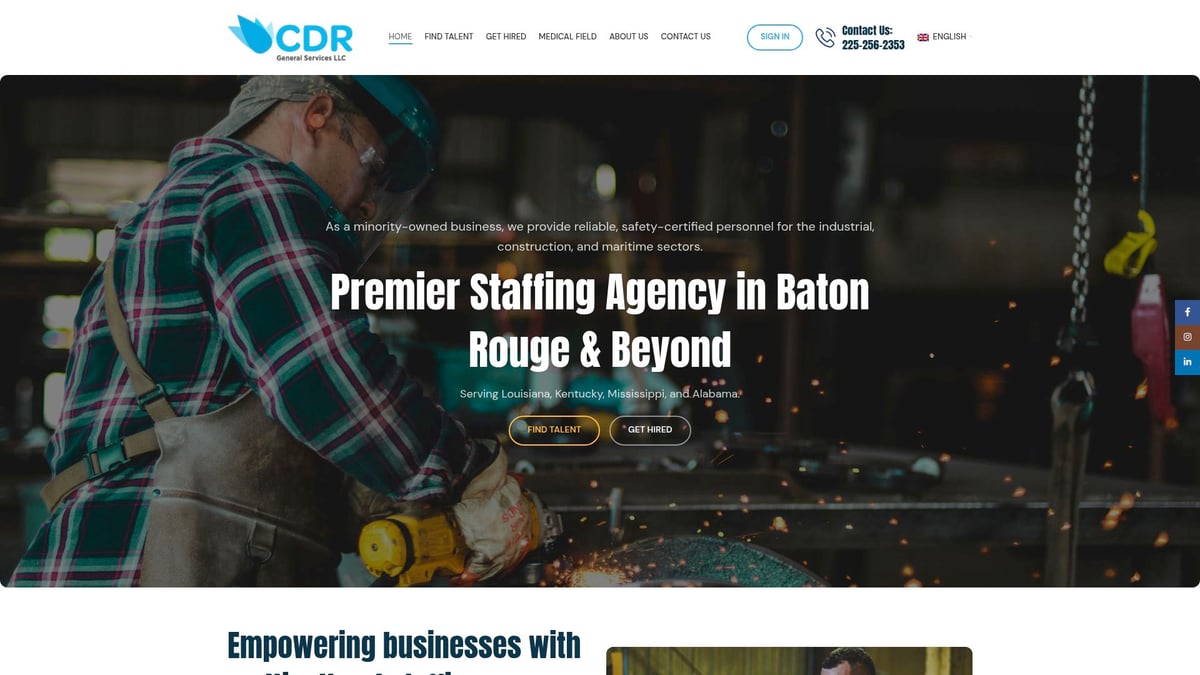
Our team bridges talent gaps, boosts productivity, and ensures cultural competence. When you need scalable, ready-to-work bilingual talent, CDR General Services delivers results others only promise.
Future Trends: Preparing for the Next Generation of Bilingual Workforce Solutions
The future of bilingual industrial workforce solutions is evolving rapidly. As we approach 2025, technology, demographics, and policy are converging to shape how companies build, manage, and retain multilingual teams. Staying ahead means understanding these trends and acting decisively.
Automation, AI, and Language Technology
Automation and AI are transforming bilingual industrial workforce solutions. AI-powered translation tools and real-time communication platforms now enable seamless interaction between diverse teams. Companies are investing in digital onboarding and multilingual training systems.
Virtual reality is being used for immersive safety training in multiple languages. According to the Demand for Bilingual Workers Report, demand for bilingual workers has more than doubled across industries, signaling the importance of advanced language technology. As automation handles repetitive tasks, human workers with language skills become even more valuable.
Evolving Workforce Demographics
Demographic change is a major driver for bilingual industrial workforce solutions. The next generation of workers will be more diverse, with a larger share of Gen Z and millennials who value inclusivity and cultural awareness.
Spanish-speaking populations are growing in key regions, especially in the Gulf South. Companies are responding by creating apprenticeship programs targeting young bilingual talent. Forward-thinking employers recognize that attracting these workers requires not just competitive pay, but also supportive environments and clear communication. This shift demands a new approach to recruitment and retention.
Strategic Workforce Planning for 2025 and Beyond
Strategic workforce planning is essential for sustaining bilingual industrial workforce solutions. Employers must build flexible staffing models that can adapt to economic changes and labor shortages.
Scenario planning is crucial. By developing bilingual talent pipelines and investing in ongoing education, companies can future-proof operations. For example, industrial firms are now cross-training employees to fill multiple roles, ensuring business continuity. Ongoing analysis of workforce needs helps organizations stay resilient and competitive as industry demands evolve.
Industry Collaboration and Policy Advocacy
Collaboration will define the next phase of bilingual industrial workforce solutions. Partnerships between industry, educational institutions, and policymakers are crucial.
Public-private initiatives are supporting inclusive hiring and training programs. Industry associations are advocating for language access in safety standards and compliance. Staffing agencies play a pivotal role by connecting employers with ready-to-work bilingual talent and helping shape policy. By aligning with regional and federal priorities, companies can navigate regulatory shifts and lead on workplace inclusivity.