


Blog
CDL Staffing Guide: Navigating Hiring Success in 2025

CDL staffing is the backbone of America’s supply chain—without it, goods simply do not move. As we approach 2025, the logistics industry faces an urgent challenge: the American Transportation Research Institute projects a need for nearly 100,000 new drivers to keep freight moving.
This guide delivers the essential playbook for cdl staffing success in the evolving landscape of 2025. You will get a clear analysis of industry trends, proven recruitment strategies, regulatory compliance, technology’s impact, and actionable best practices to build a diverse, reliable workforce.
Ready to lead the market? Let’s get started.
The CDL Staffing Landscape in 2025: Trends and Challenges
CDL staffing is facing a pivotal moment as we approach 2025. The logistics sector is grappling with mounting pressures, and businesses that fail to adapt risk falling behind. Let’s break down the critical trends and challenges shaping the cdl staffing landscape this year.
Evolving Market Demands and Driver Shortages
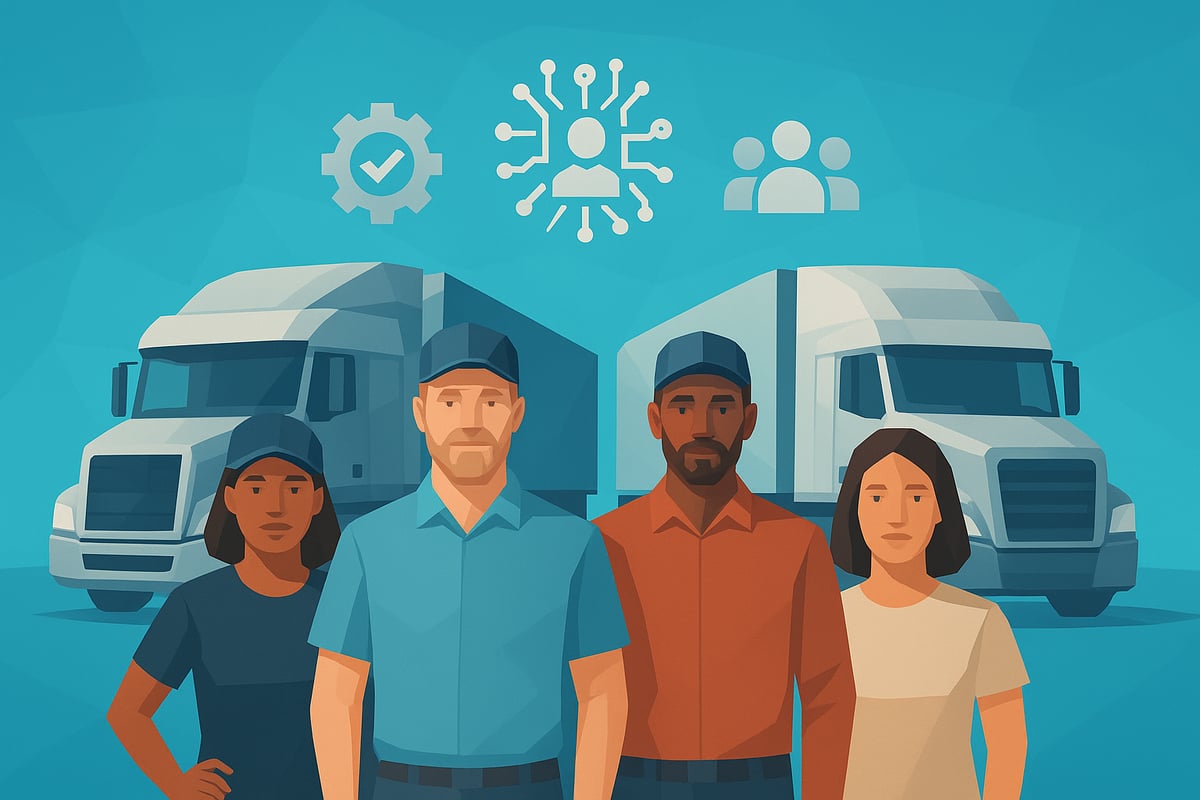
The national driver shortage continues to dominate the cdl staffing conversation. According to projections, the industry will need nearly 100,000 new drivers by 2025. Aging drivers are retiring faster than new talent enters the field, and the aftershocks of the pandemic still ripple through supply chains.
Regional disparities intensify the challenge. States like Texas and California lead in demand and pay, while others struggle to attract talent. Supply chain disruptions mean delivery deadlines are tighter, forcing companies to rethink their cdl staffing strategies. For the latest data and a deeper dive into the numbers, check out the truck driver shortage statistics 2025.
Regulatory and Compliance Shifts
The cdl staffing landscape is also shaped by evolving regulations. The FMCSA’s entry-level driver training requirements, implemented in February 2022, have raised the bar for new drivers. Agencies and employers must now ensure candidates meet stricter safety, drug, and alcohol testing standards.
DOT compliance is non-negotiable. Poor recordkeeping or missing mandatory tests can result in hefty penalties and even company shutdowns. Recent enforcement actions have put cdl staffing agencies on high alert, prompting more rigorous vetting of every applicant.
Technology and Automation in CDL Staffing
Technology is rewriting the rules for cdl staffing. Digital job boards and advanced applicant tracking systems are now standard, letting recruiters cast a wider net and move faster. AI-driven tools analyze candidate data, predict performance, and streamline hiring.
Telematics and driver monitoring tech offer a new lens for assessing fit. Companies use real-time data to place drivers where they’ll succeed, improving both safety and satisfaction. Automation is now essential—candidates expect efficient, digital-first processes when applying for cdl staffing roles.
Diversity, Inclusion, and Workforce Trends
Diversity is more than a buzzword in cdl staffing. As customer bases become more multicultural, businesses need bilingual and culturally competent drivers. This shift is especially important in regions with large Spanish-speaking populations.
Forward-thinking companies are building inclusive teams to boost retention and performance. Bilingual drivers bridge communication gaps, reduce misunderstandings, and enhance customer service. Firms that prioritize diversity in cdl staffing not only meet compliance needs but also outperform competitors in driver satisfaction and loyalty.
Step-by-Step CDL Staffing Process: From Job Description to Onboarding
Building a reliable CDL workforce in 2025 requires a sharp, methodical approach. Every step in the cdl staffing process is a make-or-break moment. Here is the definitive guide to moving from defining your needs to onboarding drivers who deliver results.
Step 1: Defining Your CDL Driver Needs
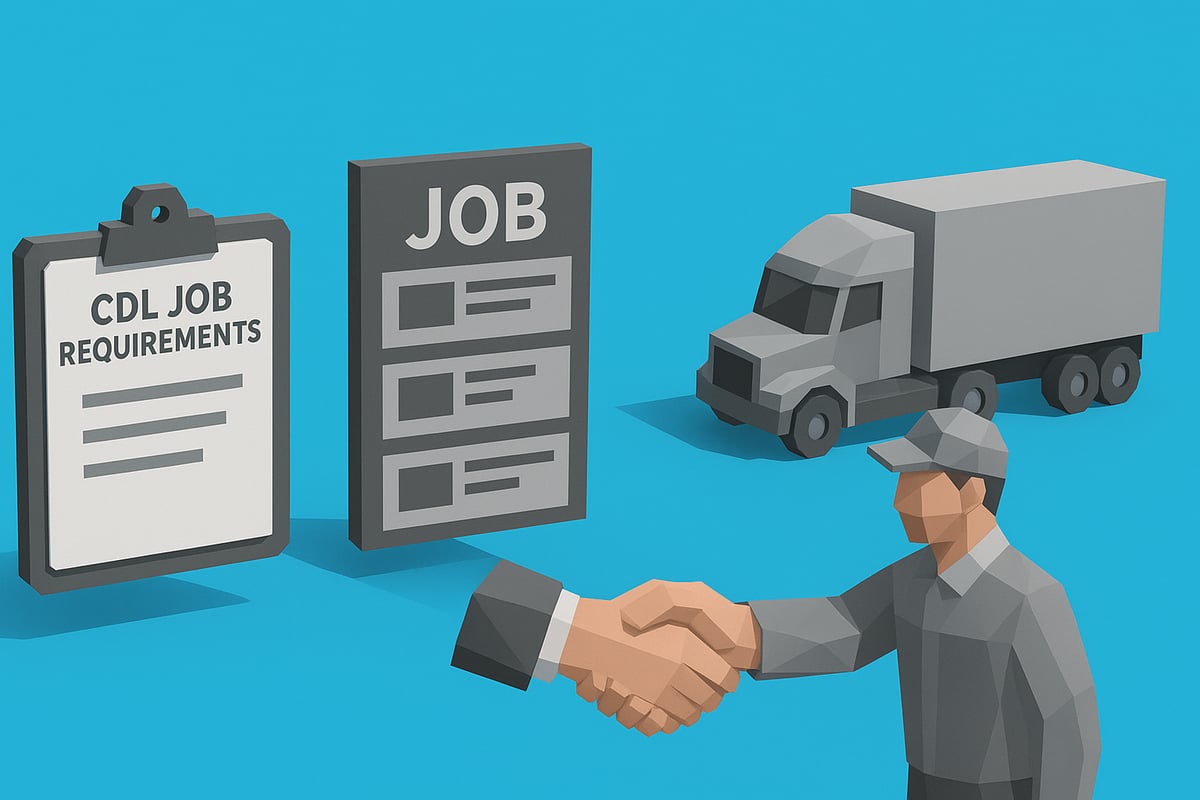
Start your cdl staffing process by pinpointing what you actually need. Which CDL license class—A, B, or C—does your operation require? Are you hauling hazmat, food, or oversized loads? These details shape your search.
Consider route types as well. Long-haul, regional, or local routes each demand unique skills. Assess whether your business needs full-time, part-time, temporary, or temp-to-hire drivers.
For example, if your business faces seasonal surges during harvest or holidays, plan ahead so cdl staffing does not fall behind. This clarity prevents costly mismatches and sets the stage for a targeted recruitment strategy.
Step 2: Crafting Effective Job Descriptions
The next step in cdl staffing is creating job descriptions that cut through the noise. Be specific about duties, required endorsements, pay, benefits, and schedules. Clarity attracts the right talent and weeds out those who do not fit.
Do not forget compliance requirements and your safety standards. A well-crafted job posting should include expectations for drug testing, clean driving records, and any specialized equipment experience.
Consider using templates for roles like tanker or refrigerated transport. This saves time and ensures consistency, which is essential for high-volume cdl staffing campaigns.
Step 3: Sourcing Qualified Candidates
With your job description in hand, it is time to find top talent. Successful cdl staffing depends on a multi-channel sourcing approach. Tap into digital platforms, employee referrals, and reputable staffing agencies.
Build a pipeline of both active and passive candidates. Partner with CDL schools and local community organizations to reach new graduates and upskill existing workers. For a deep dive on comparing available options and finding the best fit, see CDL Driver Staffing Solutions.
Remember, the broader your search, the stronger your talent pool. This is the backbone of reliable cdl staffing.
Step 4: Screening and Vetting Applicants
Screening is where cdl staffing gets serious. Every candidate must pass a thorough background check, driving record verification, and DOT-compliant drug and alcohol tests.
Do not skip the DOT medical exam and physical requirements. These steps protect your company from liability and ensure drivers meet federal standards.
Thorough pre-employment screening reduces the risk of accidents, insurance claims, and compliance headaches. This is where cdl staffing separates the best from the rest.
Step 5: Interviewing and Assessing Fit
Interviewing in cdl staffing is not just about checking boxes. Use structured interviews and road tests to validate driving skills. Ask scenario-based questions to gauge judgment and reliability.
Assess cultural fit, communication skills, and problem-solving ability. Every hire should reflect your company’s values and standards.
A strong interview process ensures your cdl staffing efforts result in drivers who are not just qualified but committed to your mission.
Step 6: Final Selection and Offer Process
Once you have identified top candidates, move fast. In cdl staffing, speed matters. Make competitive offers and negotiate terms that align with industry benchmarks.
Clearly communicate expectations, start dates, and any onboarding steps. For urgent needs, consider fast-tracking high-priority hires to prevent operational gaps.
A decisive offer process keeps your cdl staffing pipeline flowing and minimizes lost talent to competitors.
Step 7: Onboarding and Compliance Documentation
Finally, onboarding seals the deal. Complete all DOT paperwork, conduct orientation, and deliver safety training. Set up payroll, assign routes, and ensure benefits are in place.
Streamlined onboarding is critical for temp and temp-to-hire drivers in cdl staffing. A smooth start leads to higher retention and fewer compliance issues.
End every hire with a system that supports your drivers and protects your business.
Building a Reliable and Diverse CDL Workforce
Building a reliable and diverse CDL staffing strategy is no longer optional. It is the competitive edge separating industry leaders from those struggling to keep their trucks moving. The right approach ensures not just filled seats, but a high-performance fleet ready for any challenge.

Sourcing Strategies for Hard-to-Find Talent
Sourcing qualified drivers is an art. The CDL staffing landscape in 2025 demands creativity and reach. Top companies go beyond job boards, forging partnerships with CDL schools and local organizations. This expands the pipeline, increasing access to new graduates and underrepresented talent.
Community engagement is essential. Hosting job fairs, sponsoring training programs, and working with veterans’ groups or workforce agencies helps tap into hidden talent pools. Companies that prioritize bilingual and multicultural recruitment not only fill seats but also serve diverse customer bases better.
Consider the success of firms that have partnered with Hispanic cultural centers or women-in-trucking initiatives. Their CDL staffing results speak volumes: improved retention, more reliable coverage, and enhanced brand reputation.
Retention and Engagement Best Practices
Retaining top CDL staffing talent takes more than a paycheck. Drivers want stability, respect, and room to grow. Leaders offer competitive pay, flexible schedules, and clear advancement paths. Recognition programs—whether for safe driving or years of service—keep morale high.
Safety incentives and wellness benefits also play a major role. Mental health resources, ergonomic cab upgrades, and family-friendly policies help drivers feel valued. For actionable ideas, review these Employee Retention Strategies for 2025 to see what truly works in today’s market.
| Retention Tactic | Impact on Drivers | Business Result |
|---|---|---|
| Flexible Scheduling | Work-life balance | Lower turnover |
| Safety Bonuses | Recognition, motivation | Fewer incidents |
| Training Opportunities | Career advancement | Stronger loyalty |
Companies with high retention rates consistently invest in culture. Their CDL staffing is stable, engaged, and ready to deliver.
Importance of Safety and Ongoing Training
Safety is not just a box to check. In CDL staffing, it is the foundation of every hire and every mile. Regular safety refreshers and compliance updates keep drivers sharp. Ongoing skills development—through workshops or online modules—ensures everyone meets the latest regulations.
Technology is your ally. Telematics and performance analytics identify risk before it becomes a problem. Companies that invest in proactive safety training see measurable results: incidents drop, insurance claims shrink, and their reputation for reliability grows.
A culture of safety attracts the best in CDL staffing. Drivers know when a company values their well-being and responds with loyalty.
Creating Inclusive and Supportive Work Environments
The best CDL staffing operations are built on inclusion. Addressing language barriers, offering materials in multiple languages, and celebrating cultural differences create a sense of belonging. Open communication is critical, from regular feedback sessions to anonymous suggestion boxes.
An inclusive environment boosts retention and performance. Teams with diverse backgrounds handle challenges with creativity and empathy. Customers notice the difference when drivers reflect the communities they serve.
Companies that prioritize diversity in their CDL staffing see stronger engagement, fewer misunderstandings, and higher customer satisfaction. Inclusion is not just a value—it is a business advantage.
Compliance, Risk Management, and Legal Considerations
Staying compliant in cdl staffing is not an option—it is the foundation. As regulations tighten and enforcement grows sharper, a single oversight can lead to costly penalties or operational shutdowns. To build a bulletproof staffing process, you must address every compliance and legal detail, from DOT documentation to insurance and worker classification.
Navigating DOT, FMCSA, and State Regulations
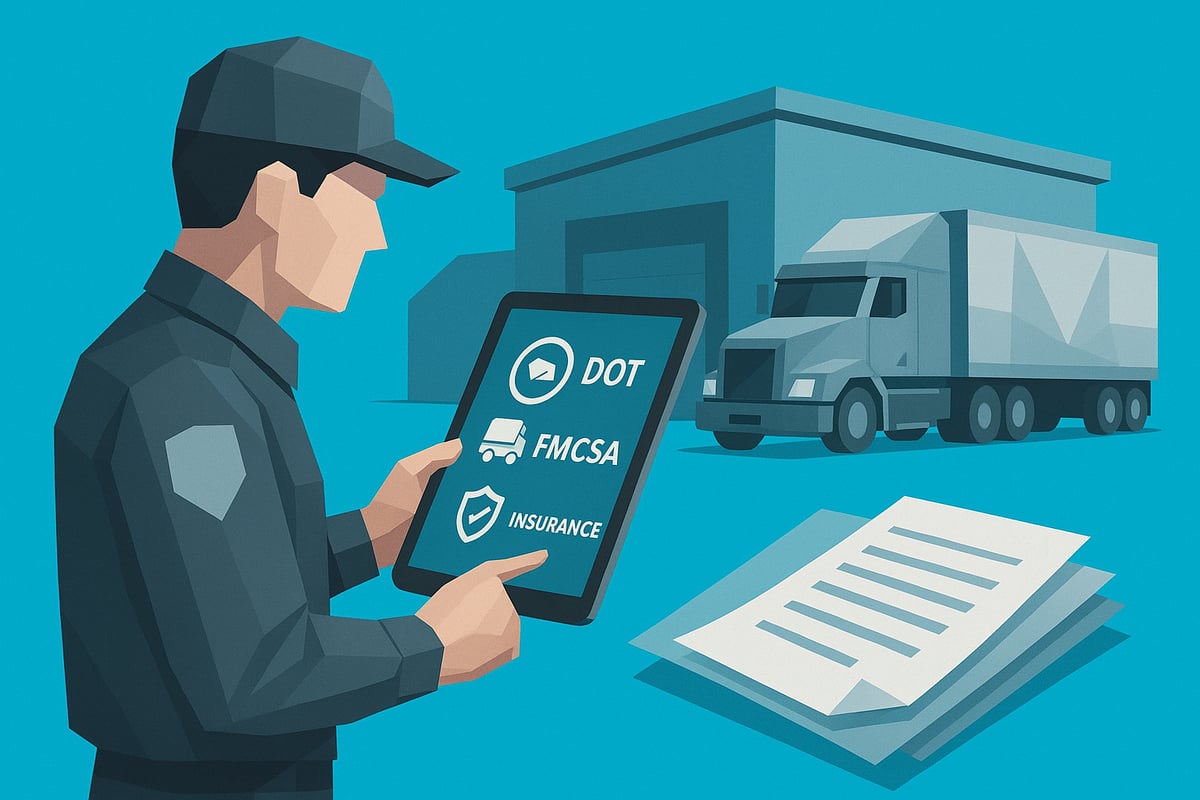
Federal and state regulations set the baseline for cdl staffing success. The DOT and FMCSA mandate strict requirements, including entry-level driver training, medical exams, drug and alcohol testing, and hours-of-service tracking. Staying current is non-negotiable.
A simple mistake in recordkeeping or missing a required test can trigger audits and fines. Companies have lost contracts or faced shutdowns due to compliance gaps. Here is a quick compliance essentials table:
| Requirement | Details |
|---|---|
| Training | FMCSA entry-level driver training |
| Medical Exams | DOT physical and health standards |
| Hours-of-Service | Electronic logs, strict adherence |
| Drug/Alcohol | Pre-employment and random testing |
The key to effective cdl staffing is embedding compliance at every stage. Review your documentation and processes regularly to avoid being caught off guard.
Liability, Insurance, and Worker Classification
Liability in cdl staffing extends beyond the truck cab. Employers must ensure proper insurance, including general liability, cargo, and workers’ compensation. Overlooking these can result in denied claims or lawsuits.
Worker classification is another minefield. Misclassifying drivers as independent contractors instead of employees can bring huge penalties and back taxes. The IRS and DOL have increased audits on worker status. One misstep, and you could face legal claims or hefty settlements.
Best practice: Consult legal counsel and insurance experts to verify every classification and policy matches your actual cdl staffing structure. Document everything. A proactive approach reduces surprises and keeps your operation safe.
Reducing Risks Through Staffing Agencies
Staffing agencies are your risk-reduction partners in cdl staffing. They handle background checks, drug testing, credential verification, and ensure every candidate is DOT-compliant. This offloads major compliance headaches from your team.
Agencies also offer temp-to-hire and contingency staffing, which helps you stay agile during emergencies, strikes, or seasonal surges. If a driver is unavailable, agencies provide rapid replacements, ensuring your deliveries stay on track. For a deeper look at how agencies compare on compliance and risk mitigation, review this CDL Staffing Agency Comparisons guide.
Using a specialized agency means your cdl staffing process is always a step ahead on compliance, documentation, and legal protection. That is your competitive edge in today’s market.
Leveraging Technology and Data for CDL Staffing Success
Technology is reshaping cdl staffing as we head into 2025. Companies that embrace digital tools, data analytics, and automation are outpacing competitors in both speed and quality of driver placements.
Digital Recruitment and Screening Platforms
Modern cdl staffing starts with digital recruitment. Applicant tracking systems and online job boards let companies reach a larger, more qualified talent pool.
AI-driven platforms automate resume screening, matching candidates to roles based on skills, endorsements, and compliance history. This reduces manual workload and minimizes human error.
The digital shift is accelerating, with 2025 trucking industry trends and statistics highlighting how technology is now the backbone of successful hiring. By leveraging these platforms, you cut time-to-hire and attract drivers who are a true fit for your needs.
Telematics and Performance Analytics
Telematics systems are transforming cdl staffing by providing real-time data on driver behavior. These tools monitor speed, braking, route adherence, and safety compliance.
With performance analytics, companies can target training and match drivers to routes where they excel. Data-driven insights help reduce incidents and improve overall fleet reliability.
This proactive approach in cdl staffing ensures you are not just filling seats but building a safer, more efficient operation from day one.
Streamlining Onboarding and Payroll
Digital onboarding tools make cdl staffing seamless. New hires can submit documents, complete compliance training, and sign contracts online.
Payroll automation ensures drivers are paid accurately and on time, while compliance tracking keeps you audit-ready. These platforms free up your team to focus on operations, not paperwork.
By integrating onboarding and payroll tech, you boost efficiency and reduce costly administrative errors in your cdl staffing process.
Future Innovations in CDL Staffing
Emerging technology is setting new standards in cdl staffing. Virtual reality is being used for immersive driver training, while predictive analytics forecast staffing needs and driver turnover.
Mobile-first hiring platforms let candidates apply and onboard from their smartphones, widening your talent reach. Forward-thinking companies are even preparing for autonomous vehicles and evolving driver roles.
Early adopters of these innovations are gaining a clear competitive edge in cdl staffing, positioning themselves as industry leaders for years to come.
Best Practices and Pro Tips for CDL Staffing in 2025
Success in CDL staffing in 2025 is all about anticipation and precision. The market is shifting, and only those who plan, communicate, and partner strategically will come out on top. Here are the pro-level moves that keep your operation ahead.
Strategic Workforce Planning
Proactive CDL staffing starts with clear forecasting. Study your business cycles, market trends, and historical demand to predict when you’ll need to ramp up or scale back. Build a flexible talent pool, keeping a ready bench of qualified drivers for sudden surges or unexpected vacancies.
Use a simple table to keep your planning sharp:
| Planning Step | Action Item | Outcome |
|---|---|---|
| Demand Forecasting | Analyze order trends | Accurate hiring |
| Talent Pool Building | Pre-screen qualified drivers | Quicker fills |
| Surge Readiness | Maintain standby list | No missed loads |
Mastering workforce planning ensures your cdl staffing never leaves you scrambling.
Effective Communication and Feedback Loops
Open, consistent communication is non-negotiable for cdl staffing excellence. Regular check-ins with drivers and supervisors surface issues early. Create feedback loops, using surveys and one-on-one meetings to spot bottlenecks and improve morale.
- Schedule weekly driver briefings
- Use mobile apps for real-time updates
- Act on feedback promptly
This transparent approach reduces turnover and keeps your team engaged. When your drivers know their voices matter, loyalty and performance follow.
Partnering with Specialized Staffing Agencies
Leverage the expertise of agencies that live and breathe cdl staffing. These partners bring deep networks, compliance know-how, and regional insights to the table. They fast-track your access to top-tier drivers and minimize your risk.
If you want proven results, review how agencies source Reliable CDL Class A Drivers to outperform competitors. The right agency tailors solutions to your needs, streamlines onboarding, and keeps you compliant.
- Faster placements
- Pre-vetted candidates
- Scalable solutions for any business size
Partnering with specialists lets you focus on operations, knowing your workforce is in expert hands.
Adapting to Market Changes and Staying Competitive
The cdl staffing landscape will continue to shift. Stay sharp by monitoring regulatory updates, industry news, and competitor strategies. Invest in your employer brand—drivers talk, and reputation travels fast.
- Subscribe to industry alerts
- Attend webinars and local events
- Survey your drivers about what competitors offer
Adaptability is your secret weapon. Companies recognized as employers of choice attract and retain the best, even in a tight market.