


Blog
The Essential Guide to Spanish-Speaking Construction Labor 2025

The U.S. construction industry is being transformed by the surge in spanish-speaking construction labor. This workforce now stands at the forefront of major job sites, shaping the sector’s future and driving innovation on every project.
Employers, project managers, and job seekers face both new challenges and unprecedented opportunities as this demographic shift accelerates. Understanding how to recruit, integrate, and retain spanish-speaking construction labor is now essential for productivity, safety, and inclusivity.
This guide delivers proven strategies, practical insights, and best practices to help you succeed in 2025 and beyond. Get ready to unlock the full potential of your team and stay ahead in a rapidly evolving market.
The Rising Demand for Spanish-Speaking Construction Labor
The demand for spanish-speaking construction labor in the United States is reaching new heights, reshaping the industry’s landscape for 2025 and beyond. This workforce now forms the backbone of countless job sites, driving progress in every region. Understanding this shift is critical for employers who want to stay ahead, maximize productivity, and build resilient teams.
Demographic Shifts in the Construction Workforce
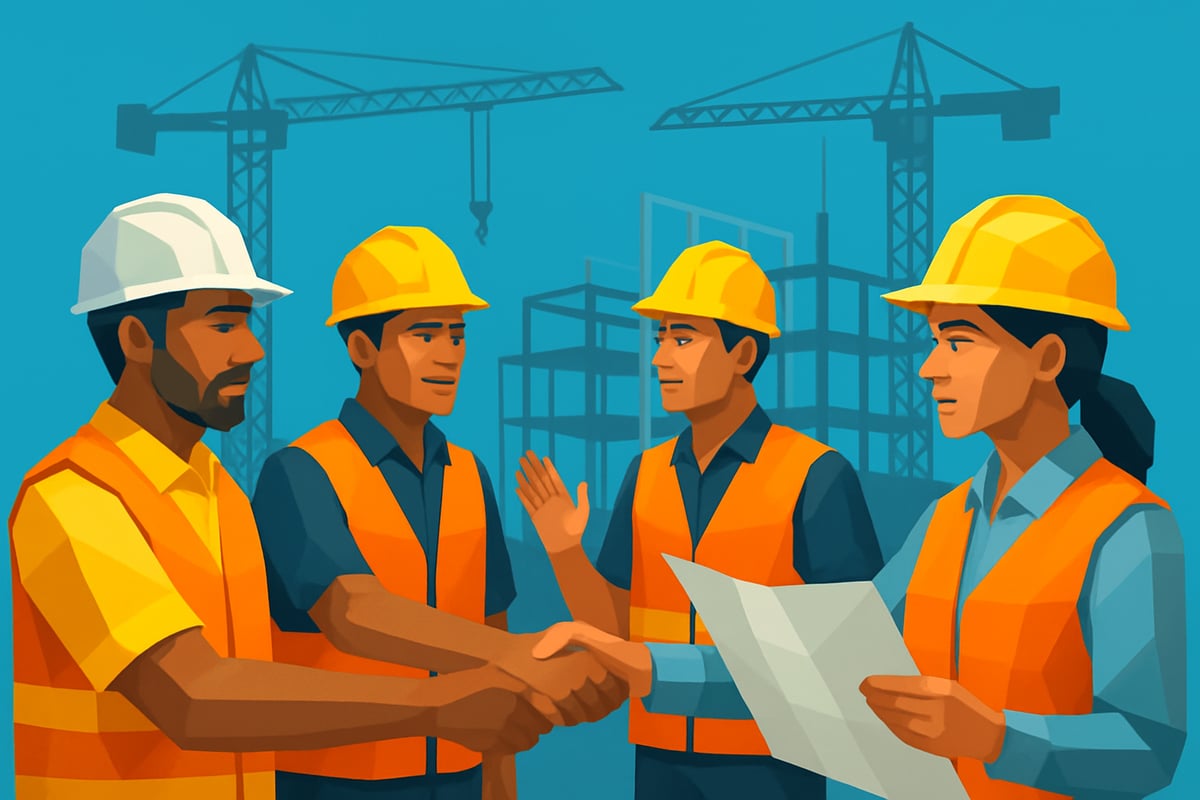
Recent data from the U.S. Census and Bureau of Labor Statistics confirms a seismic change: over 30% of construction workers now identify as Hispanic or Latino, making spanish-speaking construction labor essential to the industry’s future. In fact, Hispanics Comprise 31% of the Construction Workforce as of 2024, and this share is projected to keep rising into 2025.
This growth is especially pronounced in the Southwest, Gulf South, and major urban centers where demand for skilled labor is highest. Major projects like highway expansions, commercial developments, and large-scale residential builds increasingly depend on spanish-speaking construction labor to meet deadlines and quality standards. Employers who recognize this demographic reality are better positioned to secure the talent they need.
Drivers Behind the Demand
Why is the appetite for spanish-speaking construction labor so intense? The answer starts with a shrinking pool of native-born workers, driven by an aging workforce and waning interest among younger generations. Immigration trends and evolving policies further shape the composition of construction teams, making bilingual and culturally competent workers more valuable than ever.
Employers are actively seeking out spanish-speaking construction labor to bridge communication gaps, boost collaboration, and ensure projects run smoothly. Bilingual crews don’t just fill positions—they enhance site safety, improve workflow, and help companies adapt to a changing labor landscape.
Economic Impact and Industry Trends
The economic footprint of spanish-speaking construction labor is undeniable. These workers are credited with lifting productivity, speeding up project completion, and driving cost efficiencies. Industry reports reveal that companies with diverse, bilingual crews see up to 20% higher efficiency compared to monolingual teams.
Case studies from leading firms show that tapping into spanish-speaking construction labor isn’t just about filling gaps—it’s a strategy for outperforming competitors. The ripple effect is clear: faster delivery, fewer errors, and greater client satisfaction. In today’s market, investing in this workforce is a smart business move.
Key Challenges Faced by Employers
Despite the many advantages, employers face real challenges when integrating spanish-speaking construction labor. Communication barriers can lead to misunderstandings and safety risks, especially on complex job sites. Navigating federal and state labor laws, such as E-Verify and anti-discrimination regulations, adds another layer of complexity.
Retention is another hurdle. Employers must work harder to create inclusive environments where spanish-speaking construction labor feels valued and supported. Integration takes commitment, but companies that get it right see lower turnover and stronger teams.
Recruiting, Hiring, and Retaining Spanish-Speaking Construction Workers in 2025
The landscape for recruiting, hiring, and retaining spanish-speaking construction labor is changing rapidly. If you want your operation to thrive in 2025, you need to master the art of attracting and keeping this essential workforce segment. Let’s break down what it takes to win the talent race and build a team that gets the job done right.
Effective Recruitment Channels and Strategies
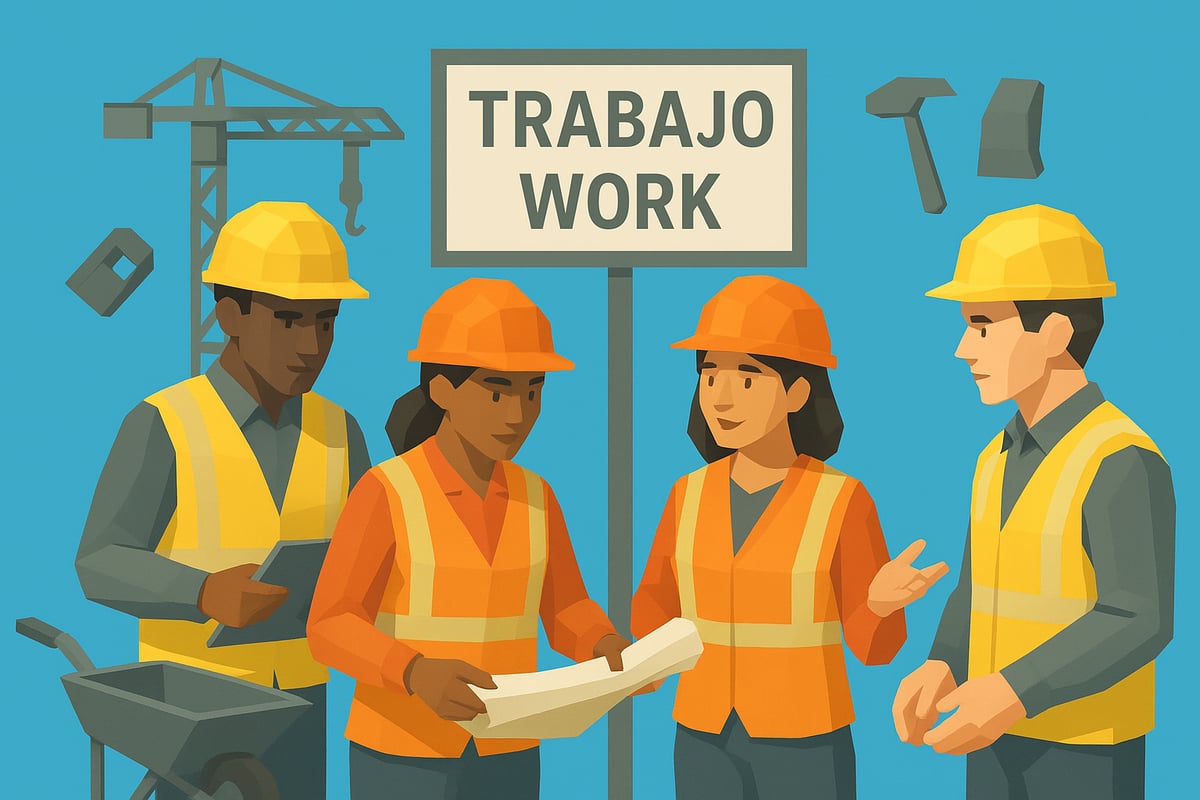
To secure top-tier spanish-speaking construction labor, you must go beyond traditional recruiting. Start by tapping into trusted community organizations and Hispanic/Latino advocacy groups. These networks often connect employers with skilled candidates who value word-of-mouth recommendations.
Spanish-language job boards are excellent for targeted outreach, while trade schools in Hispanic communities produce eager, trained talent. Don’t underestimate the power of staffing agencies that specialize in multicultural and bilingual placements. They understand the nuances of recruiting spanish-speaking construction labor and can quickly fill your staffing gaps.
Building credibility is key. Show up at local events, sponsor educational programs, and provide resources in Spanish. This demonstrates respect and commitment, making your company a preferred destination. For employers seeking a decisive edge, Spanish-speaking workforce solutions from specialized agencies streamline access to pre-vetted, safety-certified talent ready to hit the ground running.
Culturally Competent Interviewing and Onboarding
Once you have candidates in the pipeline, your interviewing process must reflect cultural competency. Use bilingual interviewers whenever possible. This ensures candidates fully understand questions and feel at ease sharing their experience. Always provide translated materials and application forms so nothing gets lost in translation.
During onboarding, prioritize clear communication. Offer safety training, orientation, and company policies in both English and Spanish. Assign mentors or buddies who speak Spanish to guide new hires through the first weeks. Inclusive onboarding reduces turnover and sets the tone for a welcoming environment, making your spanish-speaking construction labor feel valued from day one.
Focus on safety and inclusion. Explain jobsite protocols in language everyone understands. Encourage questions and feedback to build trust. A culturally aware onboarding process pays dividends in retention and productivity.
Competitive Compensation and Benefits
Attracting and keeping spanish-speaking construction labor requires more than a paycheck. Know current wage benchmarks in your region and adjust your offers to remain competitive. Hispanic/Latino workers often value healthcare, family leave, and paid training opportunities as much as base pay.
Consider offering incentives beyond salary. Mentorship programs, advancement pathways, and employee recognition can set your company apart. Here’s a quick comparison of what matters most:
| Benefit | Importance to Spanish-Speaking Labor | Retention Impact |
|---|---|---|
| Competitive Wages | High | High |
| Health Insurance | High | High |
| Paid Training | Medium | Medium |
| Advancement Pathways | High | High |
| Family Leave | Medium | Medium |
Tailor your benefits package to address the unique needs of spanish-speaking construction labor. This investment fosters loyalty and reduces costly turnover.
Legal Compliance and Ethical Hiring
Legal compliance should never be an afterthought when hiring spanish-speaking construction labor. Stay current with federal and state labor laws, including E-Verify, overtime regulations, and anti-discrimination policies. Treat every worker with respect and fairness, regardless of language proficiency or background.
Ensure documentation is accurate and all hiring practices are transparent. Provide workplace protections and equal pay, and never cut corners on safety standards. Training supervisors on compliance and cultural sensitivity is non-negotiable if you want to avoid legal pitfalls and maintain your reputation.
Ethical hiring sets you apart. Uphold high standards, and your spanish-speaking construction labor will reward you with loyalty and performance. Prioritize safety, fairness, and growth for every member of your team.
Overcoming Language and Cultural Barriers on the Job Site
Addressing language and cultural challenges is mission-critical for any company relying on spanish-speaking construction labor. When you get communication right, safety improves, productivity climbs, and you unlock the full value of your workforce. Let’s break down proven strategies to overcome these barriers and build a united, effective team.
Communication Strategies for Multilingual Teams
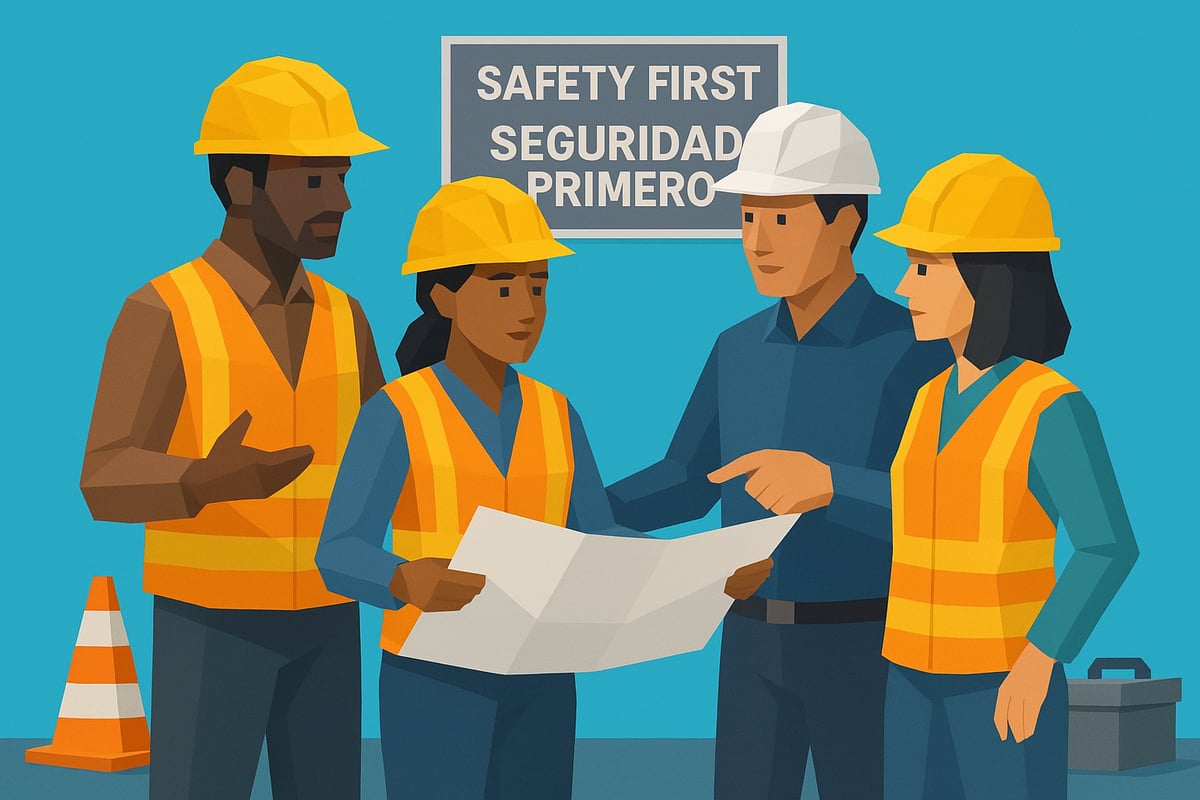
Clear communication is the foundation of any successful project—especially when your crew includes a significant spanish-speaking construction labor force. Invest in bilingual signage and safety manuals, ensuring all instructions are easy to follow for everyone.
Equip your sites with translation apps and, where possible, on-site interpreters to bridge daily language gaps. These tools help prevent costly misunderstandings and keep your projects on track.
Encourage both English and Spanish language learning among team members. This fosters mutual respect, builds camaraderie, and empowers your workers to grow. For more in-depth tactics on fostering communication and engagement, explore Supporting the Hispanic/Latino Construction Workforce.
Building a Culturally Inclusive Workplace
A culturally inclusive environment is not just a buzzword—it is a competitive advantage for those hiring spanish-speaking construction labor. Respecting traditions, holidays, and preferred work styles helps your team feel valued and understood.
Train your supervisors in cultural competency. When leadership is sensitive to cultural differences, morale and retention rates soar. Establish feedback channels where spanish-speaking workers can voice concerns or ideas without barriers. This approach ensures you hear every voice and foster a true sense of belonging.
Safety and Training Considerations
Safety is non-negotiable. For companies employing spanish-speaking construction labor, providing OSHA and other required safety training in Spanish is essential. Multilingual safety materials dramatically reduce the risk of accidents and confusion on site.
Address common pitfalls by reviewing incidents and clarifying procedures in both languages. According to the National Safety Council, companies offering multilingual safety training see 25% fewer jobsite incidents. Invest in regular refreshers and keep safety top-of-mind for all.
Team Building and Conflict Resolution
Strong teams do not just happen—they are built through intentional effort, especially when integrating spanish-speaking construction labor. Facilitate cross-cultural team-building activities that encourage collaboration and break down barriers.
Equip managers with mediation techniques for resolving misunderstandings quickly and respectfully. Celebrate diversity within your crew, recognizing how each background enhances your project’s success. When your workforce feels united, retention and productivity reach new heights.
Essential Skills, Certifications, and Career Pathways for Spanish-Speaking Construction Labor
Spanish-speaking construction labor is the backbone of the industry in 2025. To stay ahead, both workers and employers must understand which skills, certifications, and career pathways deliver real value on the job site. Let’s break down what matters most for success and how to build a workforce that sets the standard.
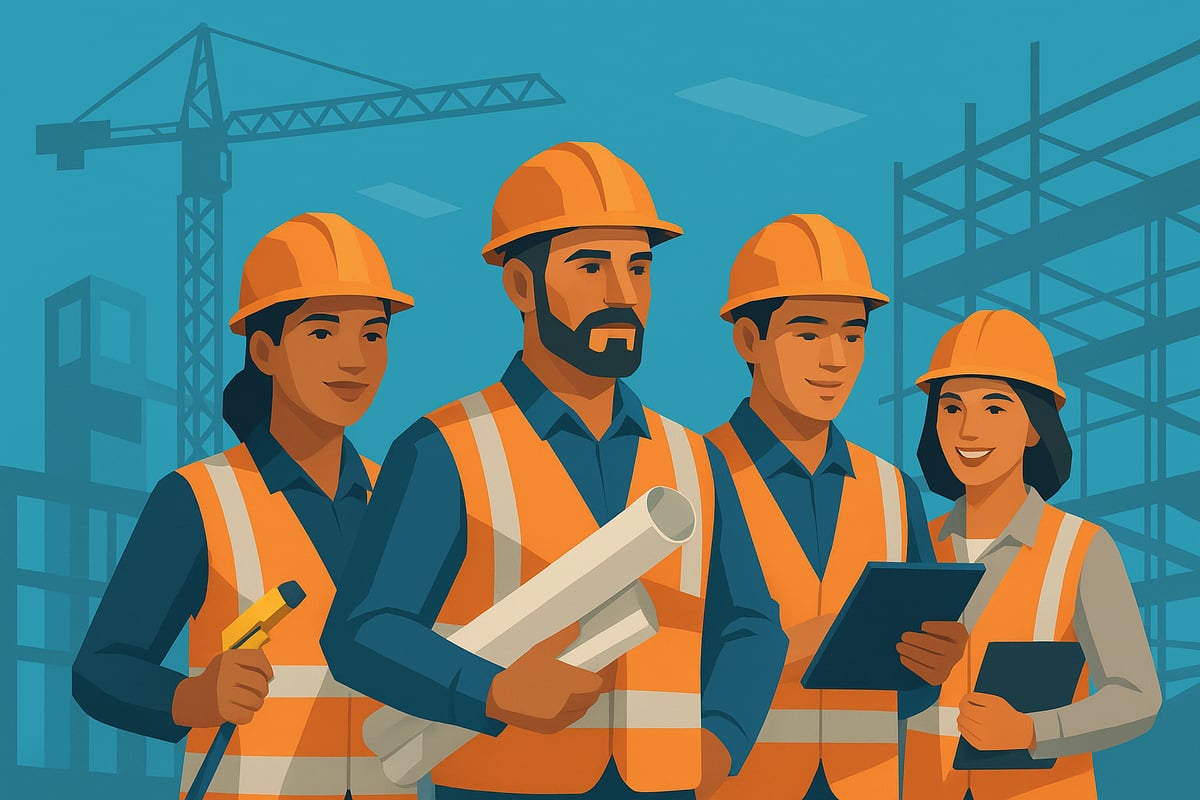
In-Demand Construction Skills for 2025
For spanish-speaking construction labor, technical mastery is non-negotiable. Employers want workers skilled in carpentry, masonry, welding, electrical systems, and plumbing. These trades form the core of any high-performing crew.
Soft skills are just as critical. Reliable spanish-speaking construction labor communicates well, adapts to last-minute changes, and solves problems on the fly. Digital literacy is a game-changer, too. Knowing how to use project management apps or digital blueprints separates the good from the great.
Top Skills Table
| Technical Skills | Soft Skills | Digital Skills |
|---|---|---|
| Carpentry | Teamwork | Construction Apps |
| Masonry | Problem-Solving | Digital Blueprints |
| Welding | Adaptability | Time Management Tools |
| Electrical | Communication | Safety Checklists |
| Plumbing | Attention to Detail | Mobile Devices |
Spanish-speaking construction labor that brings both hands-on expertise and strong interpersonal abilities will be in demand everywhere.
Certification and Licensing Requirements
Certifications are the golden ticket for spanish-speaking construction labor in 2025. OSHA 10 and OSHA 30 are baseline requirements, ensuring every worker knows how to keep themselves and their team safe.
NCCER credentials and trade-specific licenses unlock better roles and higher pay. Many programs now offer materials and exams in Spanish, making it easier for the entire workforce to qualify.
Employers should support spanish-speaking construction labor by covering exam fees, providing prep courses, and encouraging continuing education. This investment pays off in safer, more skilled teams and fewer compliance headaches.
Key Certifications Table
| Certification | Purpose | Spanish Available? |
|---|---|---|
| OSHA 10/30 | Safety Training | Yes |
| NCCER | Trade Proficiency | Yes |
| State Licenses | Legal Compliance | Varies |
When workers see their employer investing in their future, loyalty and job satisfaction soar.
Career Advancement Opportunities
The path from general laborer to supervisor is wide open for spanish-speaking construction labor. Ambitious workers can move up by showing leadership, mastering advanced skills, and seeking out mentorship.
Strong companies build formal mentorship programs and leadership tracks specifically for spanish-speaking construction labor. This approach not only boosts productivity but also retention. Want proven tactics? Check out Employee retention strategies for 2025 for actionable steps that work.
Real success stories are everywhere—workers who started with a hammer and now run teams or manage entire projects. Investing in advancement is how you keep your best people from walking out the door.
Addressing Skill Gaps
Skill gaps are a real threat for spanish-speaking construction labor, but they are not insurmountable. Upskilling and reskilling through vocational training, apprenticeships, and partnerships with community colleges make a measurable difference.
Employers should actively support training initiatives, especially those offered in Spanish. Companies that invest in developing spanish-speaking construction labor report employee retention rates up to 40 percent higher than those that do not.
Your teams will be more capable, motivated, and loyal when you prioritize their growth. That is how you future-proof your workforce and keep projects running smoothly.
Technology, Safety, and Compliance Trends Shaping Spanish-Speaking Construction Labor
The landscape of spanish-speaking construction labor is changing fast. Technology, safety, and compliance are now the pillars of workforce success. If you want to lead in 2025, you need to understand how these trends shape job sites, impact productivity, and redefine your competitive advantage.
Digital Tools for Workforce Management
Digital transformation is reshaping the daily reality for spanish-speaking construction labor. Mobile apps now allow workers to clock in, receive assignments, and communicate with supervisors in their preferred language. Payroll, scheduling, and safety updates are instantly accessible, breaking down barriers that once slowed projects.
Wearable safety technology, like smart helmets and vests, is gaining traction. These devices monitor vital signs, location, and even alert teams to hazards, reducing risk for everyone. Real-time translation devices and apps help bridge language gaps, ensuring no instruction is lost in translation.
Here’s how leading companies are leveraging digital tools for workforce management:
| Tool Type | Benefit | Adoption Rate |
|---|---|---|
| Mobile Apps | Faster communication, fewer errors | High |
| Wearable Tech | Enhanced safety, real-time alerts | Growing |
| Translation Tools | Seamless team collaboration | Moderate |
The adoption of these solutions is not optional if you want to unlock the full productivity of spanish-speaking construction labor.
Evolving Safety Standards and Regulations
Safety standards are evolving to meet the needs of a diverse workforce. OSHA and state agencies are updating requirements to address language access and cultural differences on site. For spanish-speaking construction labor, compliance means more than checking boxes; it is about making sure every worker understands and follows protocols.
Multilingual safety materials, regular audits, and incident reporting in both English and Spanish are now industry best practices. Companies that provide clear, accessible training see fewer accidents and higher retention rates. According to the NHCA Releases 2025 Report on Hispanics in Construction, industry leaders are prioritizing inclusive safety programs and transparent reporting to meet new regulatory expectations.
To stay ahead, employers must:
- Offer bilingual safety training
- Update manuals and signage regularly
- Conduct multilingual safety audits
Meeting these evolving standards is essential for protecting your spanish-speaking construction labor and ensuring project success.
Embracing Automation and New Construction Methods
Automation is not a threat; it’s an opportunity for spanish-speaking construction labor to upskill and grow. Prefabrication, robotics, and AI are transforming everything from material handling to quality control. Workers who learn to operate new tech become indispensable on modern job sites.
Training resources are now more accessible, with many programs offering Spanish-language instruction. This opens doors for workers to transition into tech-enabled roles. Companies that invest in upskilling see stronger teams and better project outcomes.
Consider these emerging trends:
- Robotics for repetitive or hazardous tasks
- Prefabrication to speed up timelines
- AI-powered project management tools
By embracing these methods, employers empower spanish-speaking construction labor to thrive in a future that demands adaptability and technical know-how.
Building the Future: Best Practices for Employers and Industry Leaders
The future of the construction industry belongs to those who understand and leverage the strengths of spanish-speaking construction labor. To stay ahead, employers and industry leaders must adopt proactive strategies that foster engagement, inclusivity, and long-term workforce stability. Let’s break down the best practices that will define leadership in 2025.
Creating a Supportive and Productive Work Environment
Building a thriving workplace starts with mentorship and peer-support networks. Pairing experienced workers with new hires accelerates learning and creates a culture of trust, especially for spanish-speaking construction labor. Bilingual mentors help bridge gaps in communication and safety, making integration seamless.
Recognition goes a long way. Celebrate the contributions of bilingual and multicultural team members through awards, spot bonuses, or public praise. Acknowledging achievements boosts morale and retention, reducing costly turnover.
Here’s a quick summary of high-impact actions:
| Best Practice | Impact |
|---|---|
| Mentorship Programs | Faster onboarding, higher safety |
| Recognition Initiatives | Increased morale, loyalty |
| Peer-Support Networks | Stronger teamwork, knowledge share |
Employers who focus on these areas create workplaces where spanish-speaking construction labor feels valued and empowered.
Community Engagement and Social Responsibility
Strong ties to the Hispanic and Latino community are a game changer for recruitment and retention. Partnering with local organizations opens doors to talent pools that are often overlooked. Community events, job fairs, and sponsorships signal genuine investment in the workforce.
Diversity and inclusion must be more than buzzwords. Launch initiatives that honor cultural traditions, celebrate holidays, and recognize the unique strengths of spanish-speaking construction labor. These efforts build loyalty and attract top candidates who seek respectful, inclusive employers.
Industry leaders are seeing real results. Companies with deep community connections and active diversity programs consistently fill roles faster and keep employees longer. When you prioritize social responsibility, you strengthen your brand and build a reputation as an employer of choice.
Preparing for the Workforce of Tomorrow
To future-proof your business, anticipate workforce trends and skills demands. Analyze demographic data and labor reports, like the Employment Trends of Hispanics in the U.S. Labor Force, to inform your talent strategy. Invest in next-generation training programs that upskill spanish-speaking construction labor for emerging roles in technology and safety.
Leadership development is key. Empower bilingual employees to step into supervisory positions through targeted mentorship and formal training. Adaptable teams are built on diversity, ongoing learning, and a commitment to innovation.
For employers ready to raise the bar, partnering with a firm that specializes in construction staffing expertise ensures you have access to a pipeline of skilled, safety-certified spanish-speaking construction labor. This approach keeps your projects staffed and your business competitive.