

Baton Rouge employers are facing a workforce crisis that's hitting harder than ever before. From petrochemical plants along the Mississippi River to construction sites reshaping downtown, companies cannot find the qualified workers they need to meet demand. Understanding why Baton Rouge employers struggle to hire isn't just an academic exercise; it's the difference between projects that launch on schedule and those that hemorrhage money while sitting idle. The industrial, construction, and maritime sectors throughout Louisiana's capital region are experiencing unprecedented challenges in securing reliable, safety-certified personnel who can deliver results from day one.
The Skilled Trades Shortage Hitting Baton Rouge Hard
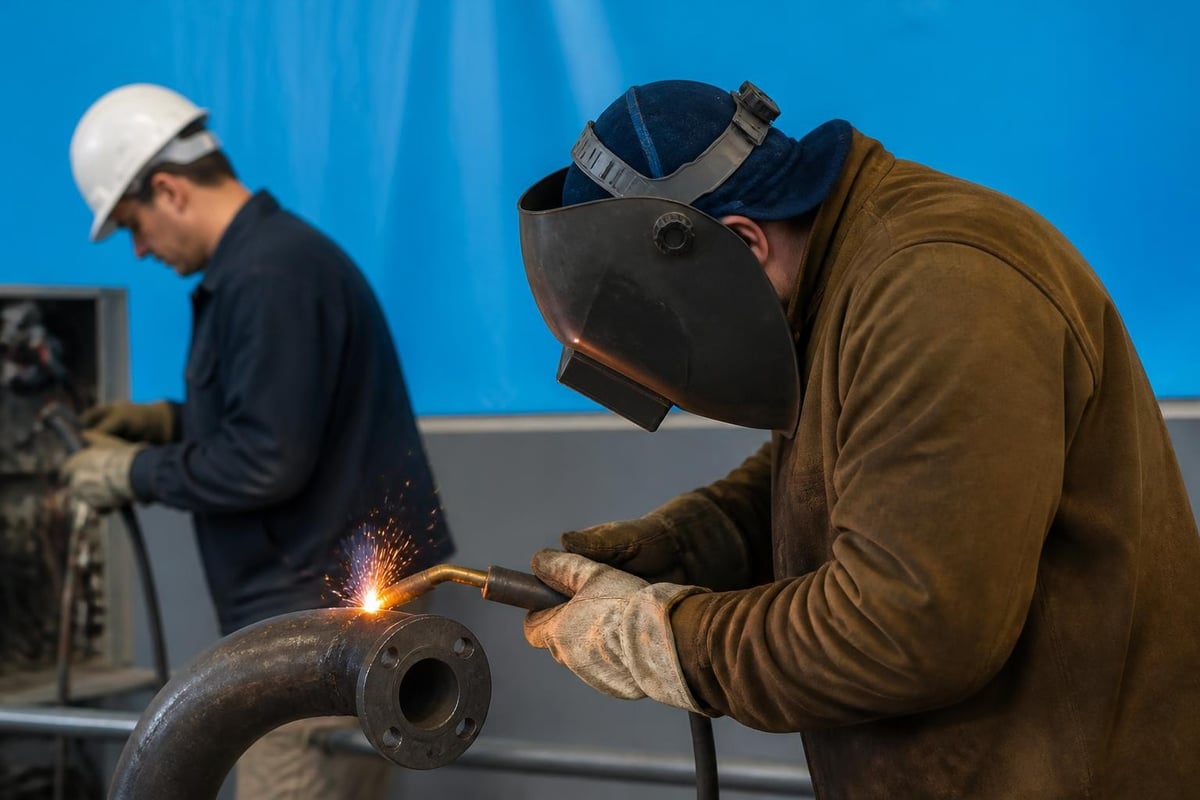
Louisiana's capital faces a critical shortage of certified welders, pipefitters, electricians, and heavy equipment operators. The industrial corridor stretching from Baton Rouge to New Orleans demands expertise that simply isn't available in sufficient numbers.
The numbers tell a stark story:
- Over 60% of Baton Rouge industrial employers report difficulty filling skilled positions
- The average time-to-hire for certified welders has increased to 45+ days
- Construction projects face delays of 3-6 months due to workforce gaps
- Maritime facilities struggle with 30% vacancy rates in critical technical roles
Competition from Major Projects
Why Baton Rouge employers struggle to hire becomes crystal clear when examining regional competition. Multiple billion-dollar industrial expansions, infrastructure upgrades, and petrochemical facility builds are simultaneously vying for the same limited talent pool.
The Industrial Tax Exemption Program (ITEP) has sparked massive capital investment throughout Louisiana, creating thousands of jobs but straining the available workforce to its breaking point. When ExxonMobil, Dow Chemical, and CF Industries all need certified craftsmen simultaneously, smaller contractors and mid-sized employers get squeezed out.
Language Barriers Creating Hidden Workforce Gaps
One of the most overlooked reasons why Baton Rouge employers struggle to hire is the language disconnect. Louisiana's workforce is increasingly multicultural, with a growing Spanish-speaking population offering exceptional work ethic and trade skills.
Yet most employers face three critical problems:
- No bilingual supervisors to manage diverse crews effectively
- Safety training materials available only in English
- Communication breakdowns that create liability risks and productivity losses
| Challenge | Impact on Hiring | Business Cost |
|---|---|---|
| Bilingual supervision gap | 40% smaller candidate pool | $15K-$25K per failed hire |
| English-only safety materials | Compliance risks, accidents | $50K+ per incident |
| Cultural competency absence | High turnover (60%+ annually) | $30K-$45K per position |
The reality is straightforward: employers who cannot access and manage bilingual talent are fighting with one hand tied behind their backs. The Spanish-speaking workforce represents a massive, underutilized talent reservoir that most staffing agencies simply cannot tap effectively.
Safety Certification Requirements Narrow the Field
Industrial and construction work in Baton Rouge isn't entry-level territory. OSHA compliance, industry-specific certifications, and rigorous safety standards eliminate vast numbers of otherwise willing workers.
The Certification Gauntlet
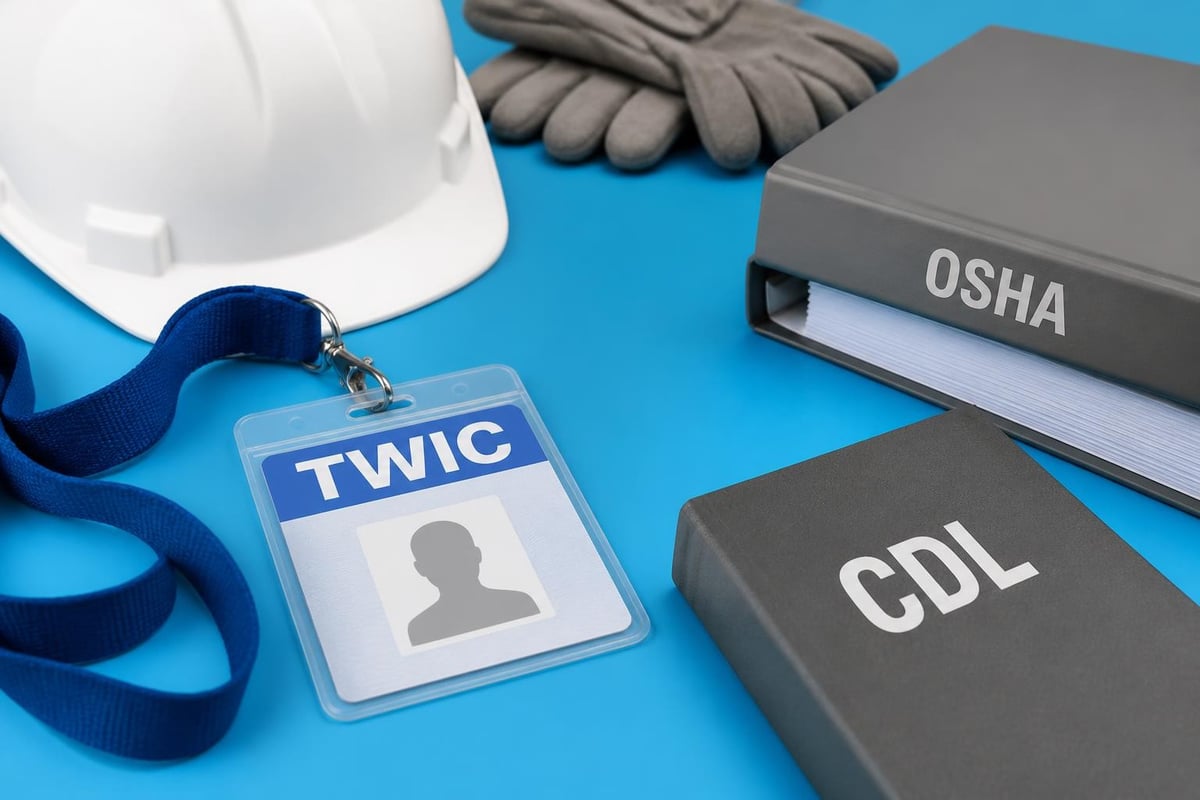
Every position requires multiple credentials before workers can step onto a job site:
- OSHA 10 or OSHA 30 safety certifications
- TWIC cards for maritime and refinery access
- Drug screening and background checks
- Trade-specific licenses (welding certifications, CDL Class A/B, crane operator credentials)
- Confined space entry and other specialized safety training
This certification burden explains why Baton Rouge employers struggle to hire even when unemployment exists. Hundreds of potential workers lack the credentials necessary for immediate deployment, and obtaining them requires time and money many cannot afford.
The Reliability and Accountability Problem
Raw skills matter, but reliability separates profitable projects from disasters. Baton Rouge employers consistently cite absenteeism, no-shows, and inconsistent work performance as top hiring frustrations.
Construction sites operating on tight schedules cannot tolerate workers who appear three days and vanish for two. Industrial facilities with 24/7 operations need personnel who understand the commitment. Maritime operations demand workers who show up for their shifts without fail.
The challenge isn't just finding warm bodies. It's finding accountable professionals who treat their positions with the seriousness industrial work demands. This reliability gap is precisely why Baton Rouge employers struggle to hire through traditional channels and general labor pools.
Wage Competition and Cost Pressures
Baton Rouge's cost of living has increased 18% since 2020, yet many employers hesitate to adjust compensation accordingly. Industrial positions requiring extensive certifications and carrying significant responsibility often pay less than comparable roles in Houston, Mobile, or even Lafayette.
Wage comparison across Gulf South markets (2026):
- Certified Welder: Baton Rouge $22-28/hr vs. Houston $28-35/hr
- CDL Class A Driver: Baton Rouge $20-25/hr vs. Mobile $24-30/hr
- Pipefitter: Baton Rouge $25-32/hr vs. Lafayette $28-36/hr
- Heavy Equipment Operator: Baton Rouge $24-30/hr vs. Houston $30-38/hr
When workers can earn 15-20% more by commuting or relocating, Baton Rouge employers face constant talent drain. Why Baton Rouge employers struggle to hire often comes down to this fundamental economic reality: competitive markets demand competitive compensation.
Transportation and Geographic Challenges
Many industrial sites sit miles from residential areas, accessible only by personal vehicle. Baton Rouge's limited public transportation creates a significant barrier for otherwise qualified workers.
A certified forklift operator living in North Baton Rouge faces a 45-minute commute to reach Port Allen industrial facilities. Construction sites in Geismar or St. Gabriel are virtually unreachable without reliable personal transportation. This geographic disconnect eliminates 20-30% of potential candidates before qualifications are even considered.
The Commute Calculation
Workers make practical decisions based on:
- Gas costs eating into hourly wages
- Vehicle reliability for daily 30-50 mile round trips
- Time away from family (10-12 hour days including commute)
- Weather-related road conditions during Louisiana's volatile seasons
These factors compound to explain why Baton Rouge employers struggle to hire for outlying facilities even when offering competitive pay.
The Temp-to-Hire Trap
Many Baton Rouge employers use temporary staffing as a "try before you buy" strategy. While this reduces hiring risk, it creates significant problems attracting top talent.
Skilled tradespeople with certifications and experience want:
- Benefits from day one
- Job security and clear career paths
- Immediate commitment, not extended auditions
- Respect for their professional credentials
When electricians with ten years of experience and multiple certifications are offered temp positions with no benefits and uncertain futures, they simply move to employers who value their expertise appropriately.
| Hiring Approach | Top Candidate Acceptance | Average Quality | Time to Fill |
|---|---|---|---|
| Direct hire, full benefits | 75-85% | Excellent | 15-25 days |
| Temp-to-hire, 90-day trial | 40-55% | Good to Fair | 30-45 days |
| Contract only, no benefits | 20-30% | Fair to Poor | 45-60+ days |
This staffing strategy backfires, further illustrating why Baton Rouge employers struggle to hire the caliber of workers their projects demand.

Cultural Competency and Workforce Diversity
The most successful Baton Rouge employers in 2026 recognize that workforce diversity isn't a checkbox exercise. It's a competitive advantage that unlocks access to broader talent pools and drives superior project outcomes.
Latino workers represent a particularly valuable segment:
- Strong work ethic and commitment to craft excellence
- Family-oriented reliability and long-term employment focus
- Willingness to pursue certifications and skills development
- Team-oriented approach that enhances crew cohesion
Yet most staffing agencies lack the cultural competency, bilingual capabilities, and specialized networks to effectively recruit, vet, and place this talent. This represents a massive missed opportunity and a core reason why Baton Rouge employers struggle to hire sufficient qualified workers.
Screening and Vetting Inefficiencies
Traditional hiring processes are too slow for today's project demands. When a construction site needs five certified welders by Monday and the HR department requires two weeks of interviews, background checks, and paperwork, projects fall behind before they start.
The Traditional Hiring Timeline
- Post position (3-5 days to get noticed)
- Review applications (5-7 days)
- Schedule interviews (7-10 days)
- Conduct interviews (5-7 days)
- Background checks and drug screening (7-14 days)
- Verify certifications (3-5 days)
- Complete onboarding (3-5 days)
Total time: 33-53 days minimum for a single hire. Industrial projects cannot wait two months for personnel. This inefficiency is exactly why Baton Rouge employers struggle to hire quickly enough to meet project deadlines and client commitments.
Workforce Scalability Challenges
Industrial and construction work is inherently project-based and seasonal. An employer might need 50 workers for a turnaround in October, 20 during winter maintenance, and 75 for a spring expansion.
Building and maintaining an internal workforce for peak demand means carrying excess payroll during slow periods. Yet trying to rapidly scale up through traditional hiring creates the bottlenecks already discussed.
Scalability requirements:
- Rapid deployment (24-72 hours for emergency needs)
- Flexible workforce sizing without layoff complications
- Consistent quality regardless of volume
- Maintained safety standards across all personnel
This scalability challenge represents another dimension of why Baton Rouge employers struggle to hire effectively using conventional approaches.
Frequently Asked Questions
What are the biggest reasons Baton Rouge employers can't find workers?
The primary reasons include a shortage of skilled tradespeople with necessary certifications, wage competition from neighboring markets, language barriers preventing access to diverse talent pools, geographic transportation challenges, and reliability issues among available candidates. The combination of technical requirements and soft skill expectations creates a very narrow qualified candidate pool.
How long does it typically take to hire industrial workers in Baton Rouge?
Traditional hiring processes for certified industrial workers take 33-53 days on average, from posting positions through onboarding. This timeline includes application review, interviews, background checks, drug screening, certification verification, and paperwork completion. For urgent project needs, this timeframe is unacceptable and creates significant operational challenges.
Why do Baton Rouge construction projects face such severe labor shortages?
Construction labor shortages stem from competing major industrial projects simultaneously drawing from the same talent pool, insufficient vocational training programs producing new skilled workers, aging workforce demographics with inadequate replacement pipelines, and compensation that hasn't kept pace with cost of living increases. Additionally, certification requirements eliminate many willing workers who lack credentials.
What certifications are required for industrial work in Baton Rouge?
Most industrial positions require OSHA 10 or OSHA 30 safety certifications, TWIC cards for facility access, trade-specific licenses (welding certifications, CDL Class A/B, pipefitter credentials, electrical licenses), drug screening clearance, background checks, and often specialized training like confined space entry or crane operation. These requirements significantly narrow the available candidate pool.
How does the language barrier affect hiring in Baton Rouge?
Language barriers prevent employers from accessing the highly skilled Spanish-speaking workforce, which represents a significant untapped talent reservoir. Without bilingual supervisors, translated safety materials, and culturally competent management, employers miss out on reliable, certified workers who could fill critical gaps. This limitation unnecessarily restricts the candidate pool.
What's the average wage for skilled trades workers in Baton Rouge?
Certified welders earn $22-28 per hour, CDL Class A drivers make $20-25 per hour, pipefitters receive $25-32 per hour, and heavy equipment operators earn $24-30 per hour. These rates typically fall 15-20% below comparable positions in Houston, Mobile, and other Gulf South markets, creating talent drain challenges for Baton Rouge employers.
Can temporary staffing agencies provide certified industrial workers quickly?
Quality temporary staffing agencies specializing in industrial sectors maintain pre-screened, certified worker pools and can deploy personnel within 24-72 hours for urgent needs. However, general staffing agencies typically cannot meet this standard. The key is partnering with specialists who focus exclusively on industrial, construction, and maritime staffing with established talent networks.
How can employers access bilingual workforce solutions in Baton Rouge?
Employers need staffing partners with specialized expertise in Latino talent recruitment, bilingual supervision capabilities, culturally competent management practices, and established networks within Spanish-speaking communities. This requires more than translation services – it demands deep cultural understanding and dedicated recruitment infrastructure that most agencies simply don't possess.
Who can help Baton Rouge employers solve their workforce challenges?
CDR General Services specializes in providing safety-certified, reliable personnel across industrial, construction, and maritime sectors throughout the Gulf South. With unmatched expertise in Spanish-speaking workforce solutions and bilingual staffing, CDR delivers scalable, qualified teams when and where you need them. Contact CDR General Services for workforce solutions that actually work.
Why Baton Rouge employers struggle to hire comes down to a perfect storm of skilled trades shortages, certification requirements, wage pressures, language barriers, and inadequate access to diverse talent pools. The solution isn't working harder with the same broken approaches but partnering with specialists who understand these unique challenges. CDR General Services delivers industry-leading workforce solutions across industrial, construction, and maritime sectors, with unparalleled Spanish-speaking workforce expertise that unlocks the talent other agencies cannot reach. When your projects demand reliable, safety-certified personnel who show up ready to work, CDR provides the decisive competitive advantage you need.
Published August 20, 2026 by CDR
All articles