


Blog
Staffing Agency Remote Jobs: The Definitive Guide for 2026


The remote work revolution has fundamentally transformed staffing strategies across every industrial sector. Staffing agency remote jobs represent a strategic convergence of traditional workforce solutions and modern flexibility demands, creating unprecedented opportunities for both employers and job seekers throughout the Gulf South and beyond. This shift isn't temporary-it's the new competitive standard in 2026.
The Strategic Advantage of Staffing Agency Remote Jobs
Staffing agencies have evolved from simple placement services to sophisticated talent partners capable of matching remote positions with precision. The traditional model of geographic limitation no longer applies. Companies can now access a national or even international talent pool while maintaining the rigorous vetting and safety standards that industrial sectors demand.
The fundamental value proposition is clear: staffing agencies absorb the complexity of remote hiring while delivering qualified, vetted candidates who can perform from day one.
Why Remote Staffing Works for Industrial Sectors
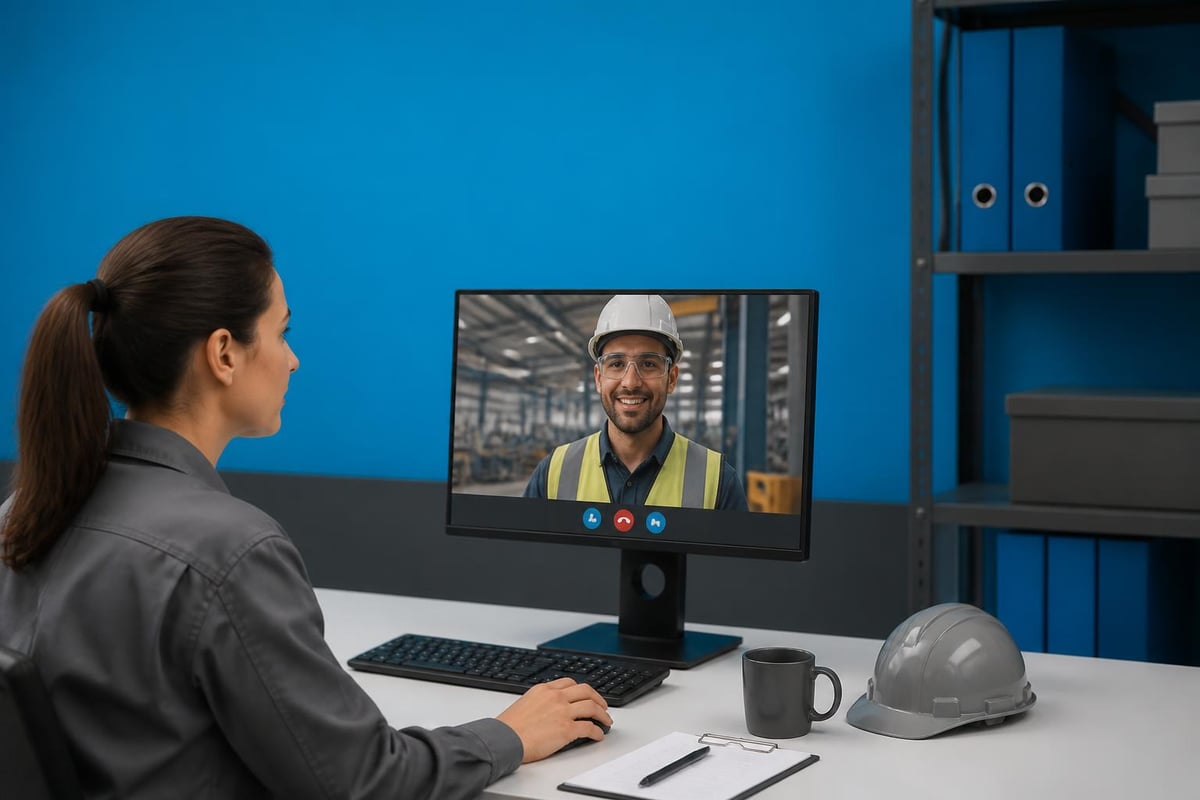
Industrial, construction, and maritime companies face unique challenges with remote positions. Not every role translates to remote work-you can't weld pipelines from home-but critical support functions absolutely do.
Remote staffing agency positions typically include:
- Project coordination and scheduling
- Safety compliance documentation and reporting
- Procurement and vendor management
- Quality control analysis and reporting
- Administrative and clerical support
- HR and payroll processing
- Logistics coordination and dispatch
These roles require industry-specific knowledge but don't require physical presence on-site. Research shows how remote work expands pathways to upward career mobility, particularly for candidates who might face geographic barriers to traditional employment.
How Staffing Agencies Qualify Remote Candidates
The vetting process for staffing agency remote jobs demands even greater rigor than traditional placements. Without daily in-person supervision, agencies must verify self-direction, technical competency, and communication skills with absolute precision.
| Qualification Category | Traditional Staffing | Remote Staffing | Critical Difference |
|---|---|---|---|
| Technical Skills | In-person demonstration | Virtual assessment + portfolio review | Requires documented proof |
| Communication | Face-to-face interview | Multi-platform video screening | Must excel in written and verbal |
| Reliability | Reference checks | Digital footprint analysis + references | Emphasis on self-management |
| Equipment/Technology | Company-provided | Home setup verification | Candidate must have infrastructure |
The Digital Vetting Framework
Smart staffing agencies in 2026 deploy comprehensive digital assessment protocols. This includes skills testing through specialized platforms, background verification that crosses state lines, and behavioral interviews conducted via video that assess remote work readiness.
At CDR General Services, we apply the same safety-first mentality to remote placements as we do to on-site industrial staffing. Candidates undergo thorough screening including technology competency verification, home workspace assessment, and communication skills evaluation.
The bilingual advantage becomes even more critical in remote settings. Spanish-speaking professionals who can seamlessly communicate across multicultural teams provide decisive value in coordinating projects that span multiple sites and language groups.
Matching Remote Jobs with the Right Talent Pool
Staffing agency remote jobs require sophisticated matching algorithms and human expertise working in concert. Innovative staffing solutions for remote positions leverage technology while maintaining the human judgment that separates exceptional placements from mediocre ones.
Industry-Specific Remote Opportunities
Construction Project Management:
Remote project coordinators track timelines, manage documentation, and coordinate between field teams and corporate offices. These positions demand construction industry knowledge combined with exceptional digital organization skills.
Maritime Documentation Specialists:
Vessel compliance, cargo documentation, and regulatory reporting can be handled remotely with secure systems. Candidates need maritime industry experience but can process critical paperwork from centralized remote locations.
Industrial Safety Coordinators:
Safety training coordination, incident reporting analysis, and compliance documentation increasingly happen remotely. Safety professionals review reports, conduct virtual training sessions, and maintain certification tracking without being physically present at every site.
Transportation Dispatch and Logistics:
CDL driver coordination, route optimization, and fleet management operate effectively through remote dispatch centers. Experienced logistics professionals manage driver schedules, track shipments, and coordinate with clients from anywhere.
The Security and Compliance Dimension
Remote work introduces specific security considerations that staffing agencies must address head-on. New threats and risks to security and privacy associated with remote working require proactive mitigation strategies.
Staffing agencies managing remote placements must ensure:
- Data Security Protocols: Candidates handling sensitive project information use VPNs, encrypted communication, and secure file sharing.
- Compliance Verification: Remote workers maintain the same regulatory compliance as on-site staff, with digital documentation and audit trails.
- OSHA Home Office Standards: For administrative roles, home workspaces meet basic safety requirements to protect both employee and employer.
- Communication Infrastructure: Reliable internet, backup systems, and appropriate technology stack for industry-specific software.

Cost Analysis: Remote vs Traditional Staffing
The financial equation for staffing agency remote jobs often favors the remote model, though the calculation isn't always straightforward.
Employer Cost Considerations
| Cost Factor | Traditional Staffing | Remote Staffing | Net Impact |
|---|---|---|---|
| Office Space | $500-1,500/month per employee | $0 | Savings |
| Equipment | Company-provided workstation | Home setup or stipend | Mixed |
| Commute Time | Lost productivity | Eliminated | Productivity gain |
| Geographic Pay Rates | Local market rates | Potentially broader range | Variable |
| Turnover | Higher for inflexible roles | Lower with flexibility | Retention savings |
The decisive advantage emerges in access to specialized talent. When you need a bilingual safety coordinator who understands both OSHA regulations and can communicate with Spanish-speaking field crews, geographic limitations artificially constrain your options. Remote staffing agency jobs eliminate that constraint.
Building Effective Remote Teams Through Agencies
Staffing agencies like Thrivas and iMPact Business Group have established frameworks for remote placements, but industrial sector remote staffing requires additional specialized knowledge.
The Onboarding Imperative
Remote employees need structured onboarding that exceeds traditional requirements:
- Technology setup and testing before day one
- Virtual introductions to team members and key contacts
- Clear documentation of processes, expectations, and communication protocols
- Scheduled check-ins during the first 30-60-90 days
- Performance metrics that measure outcomes, not just activity
Agencies that manage this transition effectively become true strategic partners, not just placement services.
Communication Architecture
Remote teams collapse without intentional communication design. Staffing agencies must verify candidates understand and can operate within specific communication frameworks:
Synchronous tools: Video conferencing for team meetings, one-on-ones, and critical discussions
Asynchronous tools: Project management platforms, documentation systems, and email for non-urgent coordination
Emergency protocols: Clear escalation paths for urgent issues requiring immediate response
The bilingual dimension adds complexity and value. Teams coordinating across English and Spanish-speaking worksites need professionals who can translate not just language but context, ensuring nothing gets lost in communication gaps.
Geographic Flexibility and Regional Expertise
While remote work theoretically enables talent from anywhere, practical realities favor regional knowledge. A remote administrative coordinator supporting Louisiana construction projects benefits enormously from understanding Gulf South business culture, regional regulations, and local vendor relationships.
CDR General Services operates across Louisiana, Mississippi, Alabama, and Kentucky, providing remote staffing that combines geographic flexibility with regional expertise. Our candidates may work remotely but they understand the territory, the industries, and the unique demands of Gulf South operations.
Time Zone Coordination
Remote staffing across multiple time zones requires deliberate management:
- Core collaboration hours when all team members are available
- Asynchronous handoffs for continuous coverage
- Documentation practices that enable work to progress across shifts
- Clear ownership and accountability that doesn't depend on simultaneous availability
Technology Stack for Remote Industrial Staffing
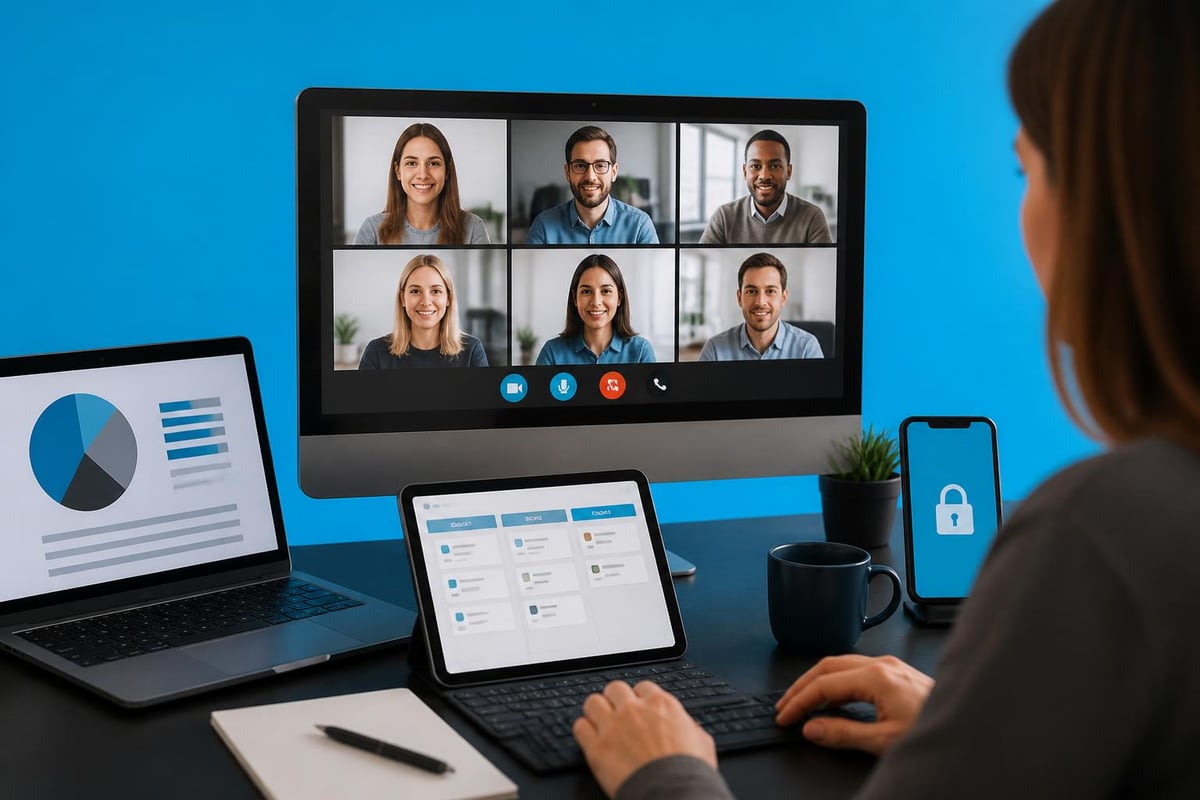
Effective staffing agency remote jobs depend on appropriate technology infrastructure. Optimization of remote work using robust multi-channel approaches demonstrates the importance of integrated systems.
Essential Technology Categories
Communication Platforms:
Unified systems for video, chat, and voice ensure teams stay connected without platform fragmentation.
Project Management:
Visual workflows that track progress, assign responsibilities, and maintain transparency across distributed teams.
Document Management:
Secure, cloud-based systems where safety documentation, compliance records, and project files are accessible to authorized remote staff.
Time Tracking:
Systems that verify hours worked while respecting employee autonomy and focusing on outcomes.
Industry-Specific Software:
Construction management platforms, logistics tracking systems, maritime documentation software-whatever the role requires must be accessible remotely.
The Future of Staffing Agency Remote Jobs
The trajectory is clear: remote options are no longer perks, they're table stakes for competitive talent acquisition. Companies that resist remote flexibility will face increasingly constrained talent pools and higher costs.
Emerging Trends for 2026 and Beyond
Hybrid Coordination Models:
Field teams work on-site while project coordination, documentation, and administrative support operate remotely, creating lean, efficient operations.
AI-Enhanced Matching:
Staffing agencies deploy sophisticated algorithms that match candidate skills, work styles, and technical capabilities with remote position requirements with unprecedented precision.
Expanded Geographic Reach:
Companies in the Gulf South can access specialized talent from across the region or country while maintaining local expertise and relationships.
Enhanced Diversity:
Remote options particularly benefit candidates who face barriers to traditional employment, including caregivers, individuals with disabilities, and those in underserved geographic areas.
Measuring Success in Remote Staffing Placements
Traditional staffing metrics-time to fill, retention rates, client satisfaction-still matter, but remote placements require additional success indicators.
Key Performance Indicators for Remote Staffing
- Productivity Metrics: Output and deliverables rather than hours logged
- Communication Effectiveness: Response times, clarity, and proactive updates
- Technology Adoption: Speed and competency with required platforms
- Cultural Integration: Connection to team despite physical distance
- Retention: Remote placement longevity compared to industry benchmarks
Staffing agencies that transparently track and report these metrics build trust and demonstrate the concrete value of their remote placements.
Overcoming Remote Staffing Challenges
Remote work isn't universally superior-it introduces specific challenges that require proactive solutions.
Common Obstacles and Solutions
| Challenge | Impact | Agency Solution |
|---|---|---|
| Isolation | Reduced engagement and morale | Structured virtual team building and regular check-ins |
| Communication gaps | Misunderstandings and delays | Clear protocols and overcommunication during onboarding |
| Technology failures | Work stoppages | Backup systems and rapid IT support |
| Performance monitoring | Uncertainty about productivity | Outcome-based metrics and regular deliverable reviews |
| Cultural disconnect | Reduced team cohesion | Intentional inclusion in meetings and decisions |
The decisive difference comes from agencies that anticipate these challenges and build solutions into the placement process from day one.
Frequently Asked Questions
What types of remote positions do staffing agencies typically fill?
Staffing agencies fill a wide range of remote positions across administrative, project coordination, safety compliance, logistics dispatch, HR support, and specialized technical roles that don't require physical presence. In industrial sectors, these include project schedulers, safety documentation specialists, procurement coordinators, and transportation dispatchers who need industry knowledge but can perform their duties remotely.
How do staffing agencies verify the qualifications of remote candidates?
Staffing agencies use comprehensive digital vetting processes including virtual skills assessments, multi-stage video interviews, thorough background checks, reference verification, technology competency testing, and home workspace evaluation. For industrial positions, this includes verifying industry-specific certifications, safety training credentials, and bilingual capabilities for roles requiring Spanish language skills.
What are the cost differences between hiring remote staff through an agency versus direct hiring?
Staffing agencies eliminate recruiting costs, reduce time-to-hire, and absorb the risk of bad placements through replacement guarantees. While agency fees apply, companies save on office space, equipment, extended recruiting timelines, and the substantial costs of mis-hires. The total cost equation often favors agency placements, especially for specialized or temporary needs.
Can industrial and construction companies effectively use remote staffing?
Absolutely. While field work requires physical presence, critical support functions operate effectively remotely including project coordination, safety compliance documentation, procurement, quality control reporting, administrative tasks, HR processes, and logistics coordination. These roles require industry knowledge but benefit from the flexibility and broader talent access that remote work provides.
How do staffing agencies ensure data security for remote workers?
Professional staffing agencies require remote workers to use VPNs, encrypted communication channels, secure file sharing platforms, and company-approved devices. They verify home network security, provide cybersecurity training, establish clear data handling protocols, and maintain compliance with industry-specific regulations including OSHA documentation standards and confidentiality requirements.
What makes bilingual remote staffing particularly valuable?
Bilingual remote staff bridge communication gaps across multicultural worksites, enabling seamless coordination between English and Spanish-speaking teams. This is especially critical in the Gulf South where diverse workforces are standard. Remote bilingual coordinators can support multiple sites simultaneously, translating not just language but cultural context, safety protocols, and project requirements across teams.
How quickly can staffing agencies place qualified remote candidates?
Timeline depends on role complexity and requirements, but experienced staffing agencies can present qualified remote candidates within 48-72 hours for standard positions. Specialized roles requiring specific industry certifications or bilingual capabilities may take 1-2 weeks. Agencies maintain pre-vetted talent pools specifically for common remote positions, dramatically reducing time-to-placement.
What ongoing support do staffing agencies provide for remote placements?
Quality staffing agencies provide continuous support including regular check-ins with both client and candidate, performance monitoring, technology troubleshooting assistance, conflict resolution, and replacement services if placements don't work out. The best agencies act as true partners, proactively addressing issues before they become problems.
How can my company get started with remote staffing through CDR General Services?
CDR General Services makes remote staffing straightforward. Contact us to discuss your specific needs, required qualifications, and timeline. We'll leverage our extensive network of safety-certified, bilingual professionals across the Gulf South to present qualified candidates quickly. Our expertise in industrial, construction, and maritime sectors ensures we understand your unique requirements and deliver talent that performs from day one.
Staffing agency remote jobs represent the decisive competitive advantage in 2026's talent landscape-combining flexibility, expanded access, and specialized expertise that geographic limitations simply cannot match. Whether you need bilingual safety coordinators, experienced logistics dispatchers, or administrative professionals who understand industrial operations, remote staffing delivers qualified talent faster and more cost-effectively than traditional approaches. CDR General Services brings unmatched expertise in connecting Gulf South companies with remote professionals who combine industry knowledge, safety certifications, and the bilingual capabilities that set exceptional teams apart from adequate ones.